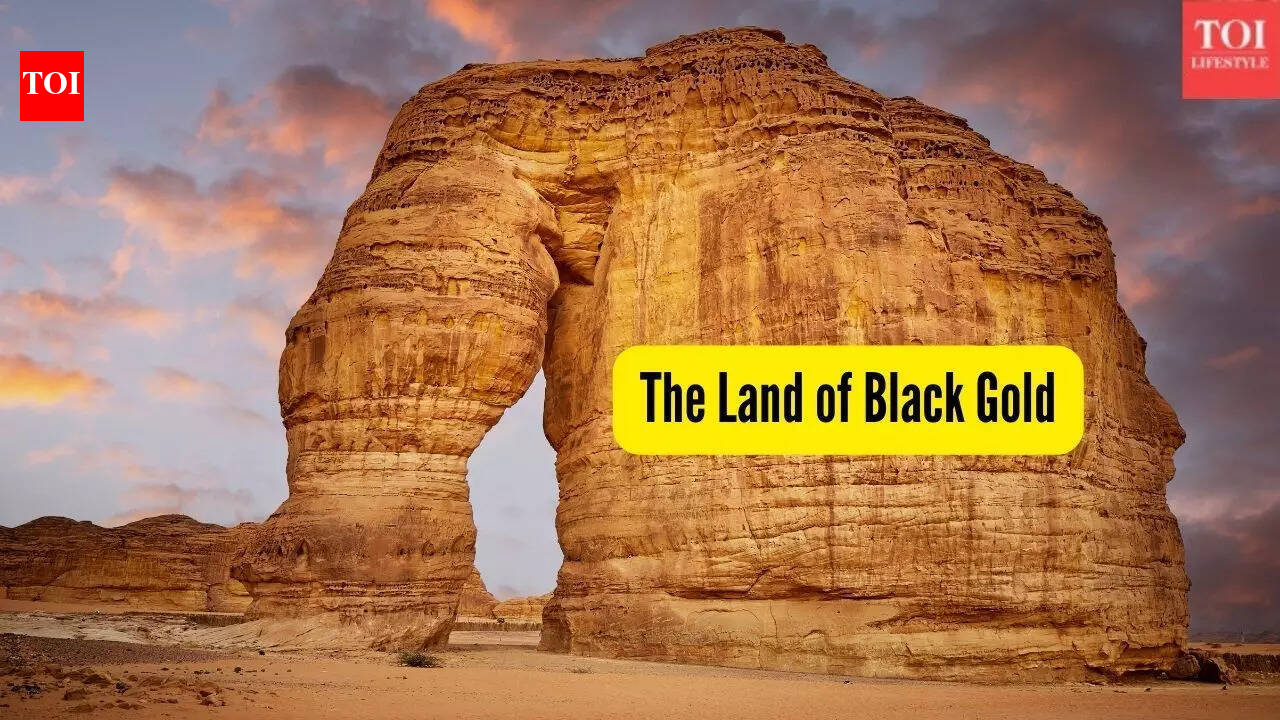
Which country is known as the ‘Land of Black Gold’?


Which country is known as the ‘Land of Black Gold’?
The moment we hear the phrase “Land of Black Gold,” it immediately conjures the image of Saudi Arabia, a beautiful country in the Middle East. The term “black gold” is used for crude oil which is the foundation of the nation’s contemporary identity which has been attracting travellers from across the globe. It’s the country’s natural wealth that makes visitors curious and man-made beauty which leaves people in awe. Let’s find out more:The Land of Black GoldSaudi Arabia is home to some of the largest proven petroleum reserves in the world. The oil has shaped the country’s economy, lifestyle and culture since commercial quantities were discovered in Dammam in 1938. This discovery of oil changed the destiny of the country overnight and from the land of desert, it became the land of black gold. It turned into a global energy powerhouse.Crude oilSo crude oil is a thick, dark, and highly valuable natural asset. And that is why it earned the sobriquet of “black gold”. It has the ability to generate wealth like no other natural resource. Oil revenues are the reason for modern healthcare, great education, and overall urban development. Today, travellers from all over visit the country to understand how this natural wealth shaped the identity of a nation.Travel ExperienceAmong the most interesting travel experiences linked to Saudi Arabia’s “black gold” legacy is exploring its energy heritage sites. Cities including Dhahran and Dammam have incredible oil stories. Dhahran is home to oil wells and the headquarters of Saudi Aramco, which is the world’s largest oil company.When here, visitors make sure to visit the King Abdulaziz Center for World Culture (Ithra). It is a global landmark. It is not an oil museum in the traditional sense, but shows how wealth generated from oil has been reinvested into arts and culture. The architecture is awe-inspiring. There are interactive exhibitions offering visitors an insight into Saudi Arabia’s oil discovery journey.Must-visit oil-related attractions in Saudi ArabiaSaudi Arabia’s identity as the Land of Black Gold is a story one can actually travel through.King Abdulaziz Center for World Culture (Ithra), DhahranAlso known as the cultural heart of Saudi Arabia, Ithra is a must visit attraction in the country for its history. This very site where oil was first discovered. Tourists can explore museums, exhibitions and libraries. Visit here to understand how black gold powered a cultural change.Dammam Oil Well No. 7 (The Prosperity Well)Also known as the birthplace of Saudi Arabia’s oil industry, it’s a historic well in Dhahran. It is where the destiny of the nation changed forever. This is a must-visit site for history buffs and curious travellers.Saudi Aramco Exhibit & Energy Experience CentersVisit here to understand the behind-the-scenes look at the international energy industry. For travellers, it’s a perfect chance to step inside the world’s most influential energy company.Dhahran & the Eastern Province Oil TrailThe Eastern Province comprising Dhahran, Dammam, and Al Khobar together form the hub of Saudi Arabia’s oil story. Traveling through this region allows people to know how oil wealth shaped education, and lifestyle of people here.For people curious about how natural resources can change the life and destiny of a country, Saudi Arabia offers most compelling travel stories.
Source link

This is the most expensive house in the world: Where wealth meets power


This is the most expensive house in the world: Where wealth meets power

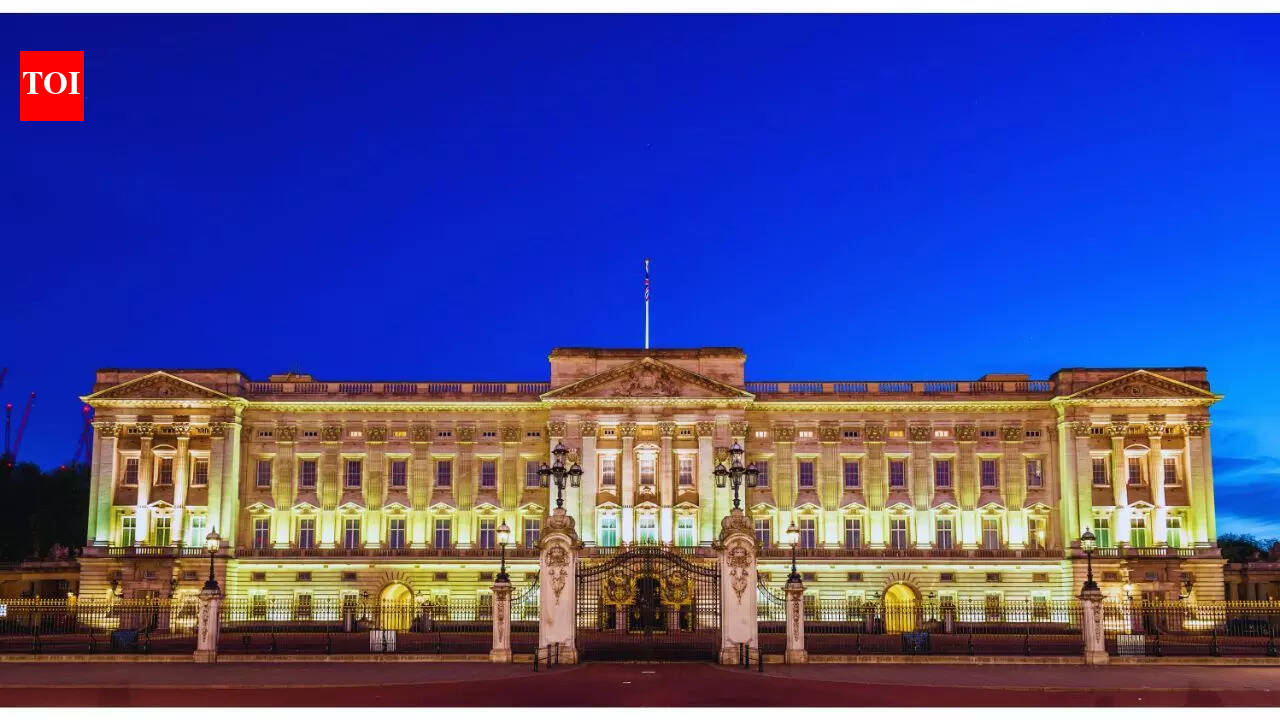
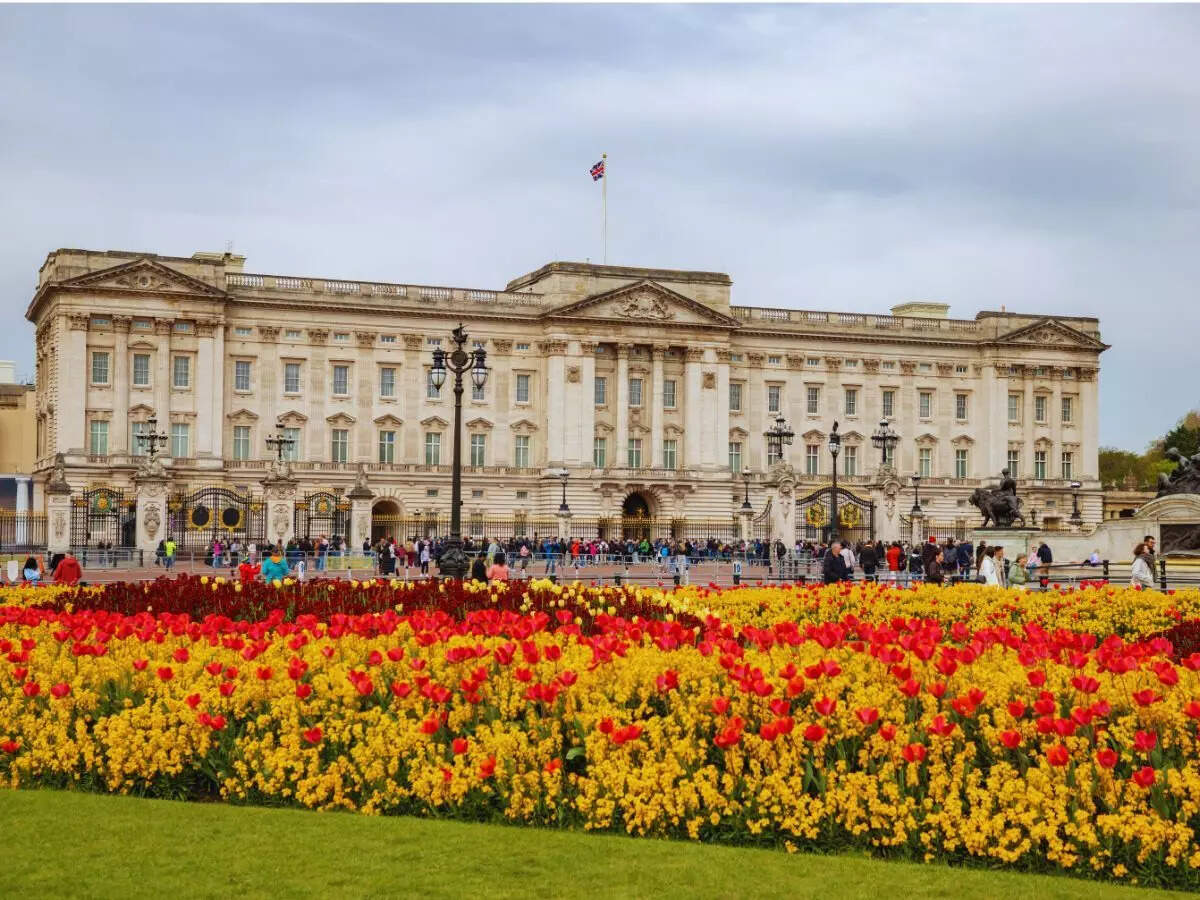
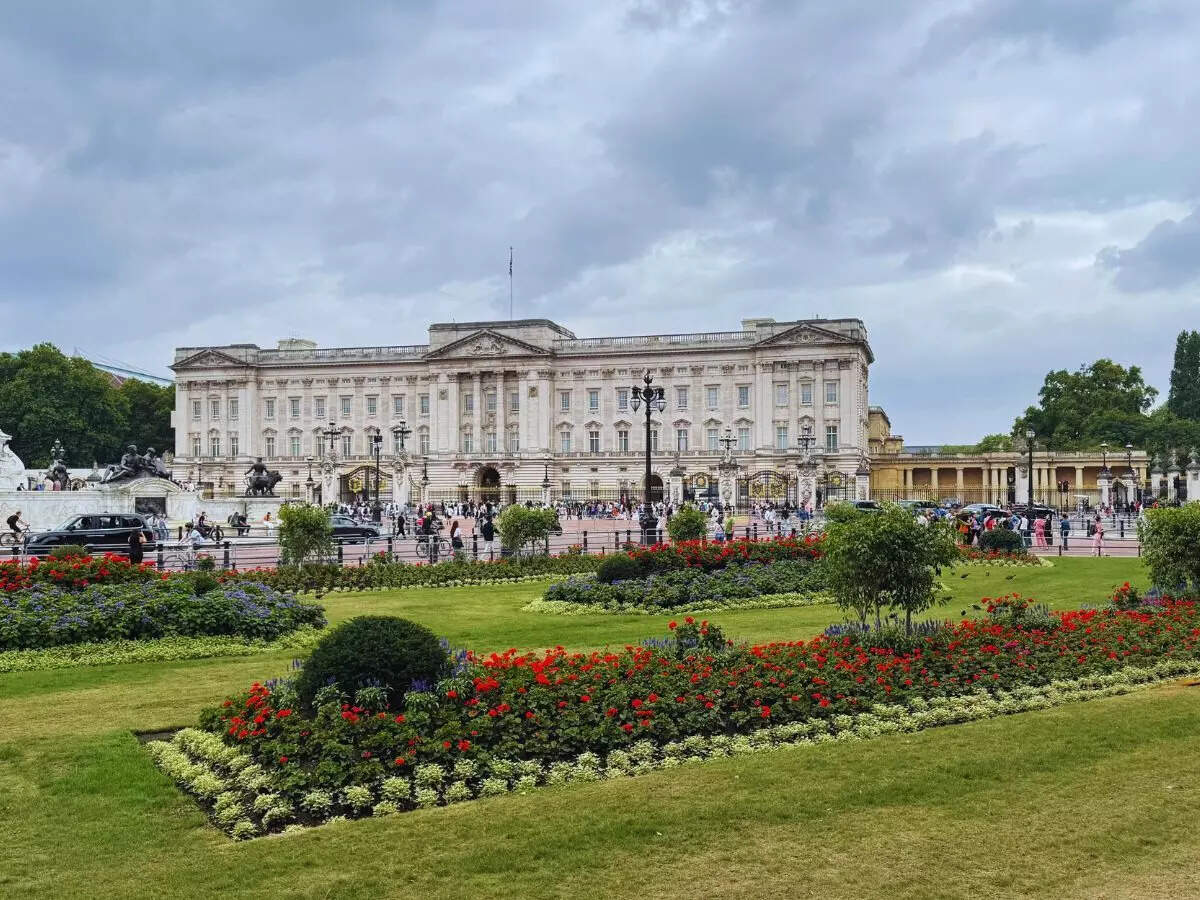
Can you imagine what the most expensive house in the world looks like? Is it sky-touching, is it a villa along the sea or a palace steeped in history? Well is it a futuristic tower rising above a city? The answer completely depends on your definition of luxury. However, when it comes to the price tag or scale, there’s one address that consistently stands top the chart for its value, history and architecture, among many features. And it’s none other than Buckingham Palace in London (according to a list published in architecturaldigest.in)Yes, you read that right, it’s Buckingham Palace and it belongs to the kings and queens of England! Sitting at the heart of London, the palace is known as the most expensive residential property on the planet. Though it is not privately owned or available for sale, property analysts estimate its value around $5 billion, an amount which is unmatched till date. Buckingham Palace Buckingham Palace is not an ordinary residence. Since 1837, the palace has served as the official residence of Britain’s monarch. For common public information, the palace has:775 rooms, among which there are 19 state rooms, 52 royal and guest bedrooms, 92 offices, and 78 bathrooms. It also has a post office, police station, health centre, and ballroom. Can you imagine the grandeur now?But that’s not it.

Buckingham Palace

canva

Buckingham Palace’s more than its gold-leaf ceilings. The palace is set in the heart of London city and is of immense historical, and political importance. The is a residence brimming with priceless artworks and antique furniture. The royal collections fill the halls, adding up to a value that can’t be measured in money. So yes, that’s why we say that there are not many “homes” in the world like Buckingham Palace. A home built on unimaginable valueIf talking about the value, the palace is built on the most valuable land in London. It is among the world’s most expensive cities. Besides, the palace is home to artworks and ancient furnishings spanning centuries. Every room, corridor, and chandelier carries cultural significance. It’s like a living museum. Buckingham Palace’s luxury and value lies in its history and heritage.Why so costly

Buckingham Palace

canva

Around the world, ultra-luxury homes sell for hundreds of millions of dollars, but till date none came close to Buckingham Palace. Now the reason is simple. There has been no private residence yet which combines history, politics and location, the way Buckingham Palace does. It is not just a home, it is a global landmark and national treasure! It’s not just the home of the English royals, it is also a tourist attraction. People from all over the world visit London to get a glimpse of this royal residential property. The soldiers are the highlight and the marching ceremony is a delight to watch.Talking in financial terms, the value of Buckingham Palace is unmatched. It is the most valuable residential property in the world.


Source link

Internet explodes after Mona Kattan unfollows Huda Kattan amid Huda Beauty boycott calls


Internet explodes after Mona Kattan unfollows Huda Kattan amid Huda Beauty boycott calls
Huda Beauty faces a growing boycott after Huda Kattan’s controversial post on Iran, which her sister Mona Kattan publicly distanced herself from. This digital rift, coupled with resurfaced past controversies, has led to calls for retailers to drop the brand, questioning Huda’s influence and brand integrity.

What started as internet outrage has now turned into something way more personal – and honestly, way more awkward. As boycott calls against Huda Beauty keep spreading online, fans noticed something that felt… big. Mona Kattan, Huda’s sister and long-time partner in the brand, quietly unfollowed her. No statement. No drama-filled post. Just one click, and everyone clocked it.In social media land, that’s not subtle. That’s loud.All this kicked off after Huda shared a video about the protests in Iran. Many people, especially Iranians and activists, felt the video echoed the government’s side of the story and didn’t reflect what protestors are actually facing. The backlash was immediate. And the contrast with Mona made it even messier, she had earlier posted in support of the protestors. So when the unfollow happened, people read between the lines. The beauty world definitely did a double take.For a lot of folks, this wasn’t just about a “bad post.” It felt like real pain and real voices were being brushed aside. That’s when the boycott talk picked up speed. Hashtags started trending, and people began urging others to stop buying Huda Beauty altogether.

1739804610-1000023884

Then things got even more tense. Mona reportedly reshared her older post backing the protests after the controversy blew up again. That only made people more convinced the sisters aren’t seeing eye to eye, at least not in public.And because the internet never forgets, old stuff came back up too. Past controversies linked to Huda resurfaced, including earlier comments about Israel that Jewish groups had criticised for spreading harmful and misleading ideas. Those posts were later taken down from TikTok for breaking guidelines, but now they’re back in the conversation.Put it all together, and you can see why public opinion has shifted. What some once called “fearless” now feels, to critics, careless and out of touch.This isn’t just an online storm anymore. Shoppers are calling out big stores like Sephora, asking them to rethink carrying the brand. Petitions are floating around, comment sections are packed, and people are basically saying: we want brands with a spine, not brands chasing views.Huda hasn’t said anything about the latest backlash yet. That silence is only making the noise louder. When your face is your brand, every word – and every pause – counts. It’s not just about opinions; it hits the business too.Not long ago, she was being praised as one of the BBC’s most influential women. Now, that influence is being questioned, challenged, and by some, flat-out rejected.One unfollow might look small. But online? It can say a lot. Sometimes the biggest statement isn’t a long apology or a viral post – it’s just hitting “unfollow.”


Source link

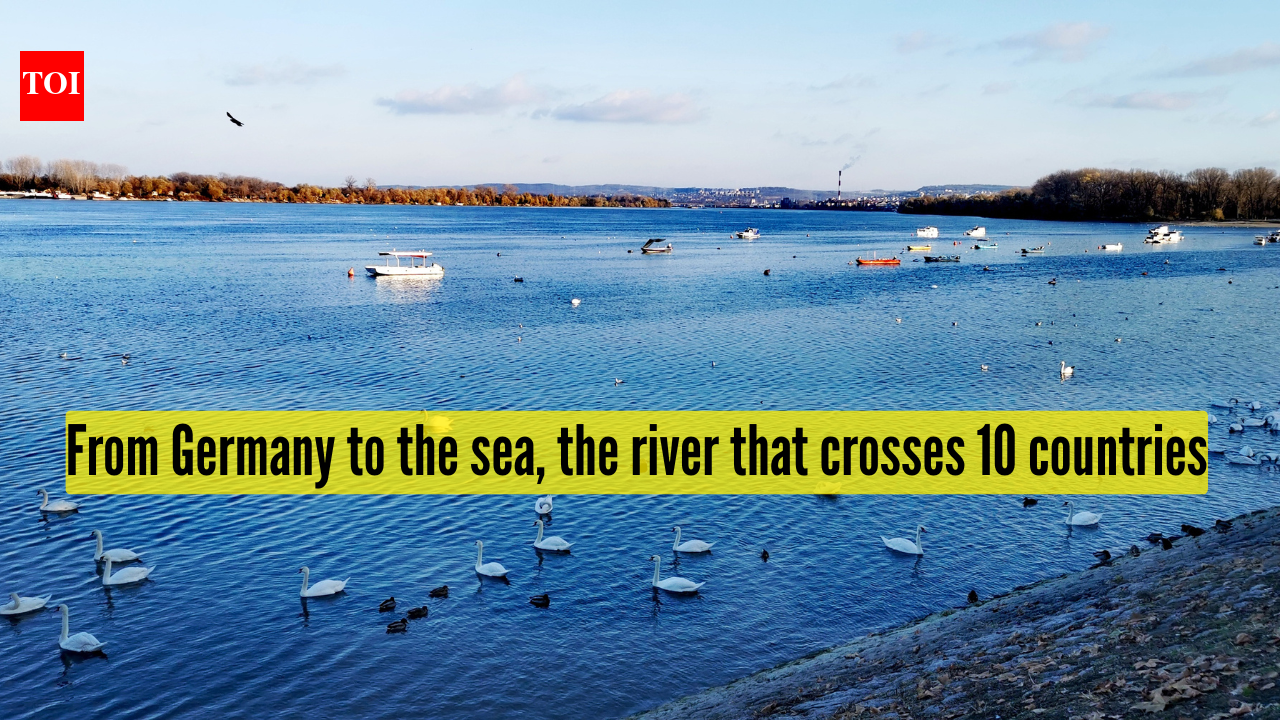
From Germany to the sea, the river that crosses 10 countries |


From Germany to the sea, the river that crosses 10 countries

The river has its quiet beginnings in Germany’s Black Forest, when then makes its final spread into the Black Sea. It follows a course unlike any other river on the planet. Do note this interesting fact that along the way, it passes through 10 countries, more than any river in the world, thereby turning a single flow of water into a continental connector that links Central and Eastern Europe. It’s the Danube River. No other river matches the Danube’s geographic reach. Its waters run through countries like Germany, Austria, Slovakia, Hungary, Croatia, Serbia, Bulgaria, Romania, Moldova, and Ukraine, cutting across borders that were drawn centuries after the river itself had already shaped the land. Over a length of about 2,860 km, the Danube becomes less a national river and more a shared European river, binding regions with distinct languages, cultures, and political histories.Read more: Solar storm lit up Ladakh skies: What triggered the rare sky event and what it meansThe river takes form at Donaueschingen, where two modest streams, the Breg and the Brigach, come together. From there, it flows eastward, winding through forests, agricultural plains, narrow valleys, and some of Europe’s most historically important cities. Uniquely, it is the only major river in the world to pass through four national capitals: Vienna, Bratislava, Budapest, and Belgrade. Each of these cities developed around the Danube, drawing economic strength, strategic advantage, and cultural identity from its steady presence. For much of history, the Danube stood at the centre of power and conflict. Historically, it served as the boundary of the Roman Empire in the north, which was fortified and protected as a defense line and a transportation route. Later on, it served as a line that divided and connected the empires of Habsburg and Ottoman, with the construction of castles, citadels, and river towns along its banks. These still line the river today. As Europe began to develop as a modern state, the Danube River transformed from a disputed border region into a common economic route. Agreements existed by the early modern period that regulated river navigation and trade, making it easier for the transportation of goods across international boundaries along the river. Such cooperation was formalized in the aftermath of the Second World War with the creation of the Danube Commission. Read more: How this village in Assam ended its war with elephants and made them their ‘guests’However, the effects of the river do not end there. The Danube Basin has a land area of about 817,000 square kilometers and derives its water from the Alps, Carpathian Mountains, and lowlands. The Danube River has over 300 tributaries, with some of the largest being the Drava, Sava, and Tisza rivers. This has resulted in a varied landscape that is composed of gorges, agricultural areas, and wetlands. At its eastern end, the river fans out into the Danube Delta, shared by Romania and Ukraine. Formed by centuries of sediment carried into the Black Sea, the delta is one of Europe’s most important ecological regions, supporting hundreds of bird and fish species and recognised internationally for its biodiversity. Today, the Danube remains a working river. The Main–Danube Canal links it to the Rhine, creating an inland waterway that allows vessels to travel from the North Sea to the Black Sea without interruption. Hydroelectric projects, including the Iron Gate dams, harness its energy, while environmental programmes attempt to balance economic use with conservation as pollution and climate pressures grow. Flowing across more borders than any other river, the Danube continues to serve as a physical and symbolic link across Europe, a reminder that long before modern nations existed, it was the link that was already connecting them.


Source link

How ice dams damage homes in winter and what you can do to prevent it |


How ice dams damage homes in winter and what you can do to prevent it

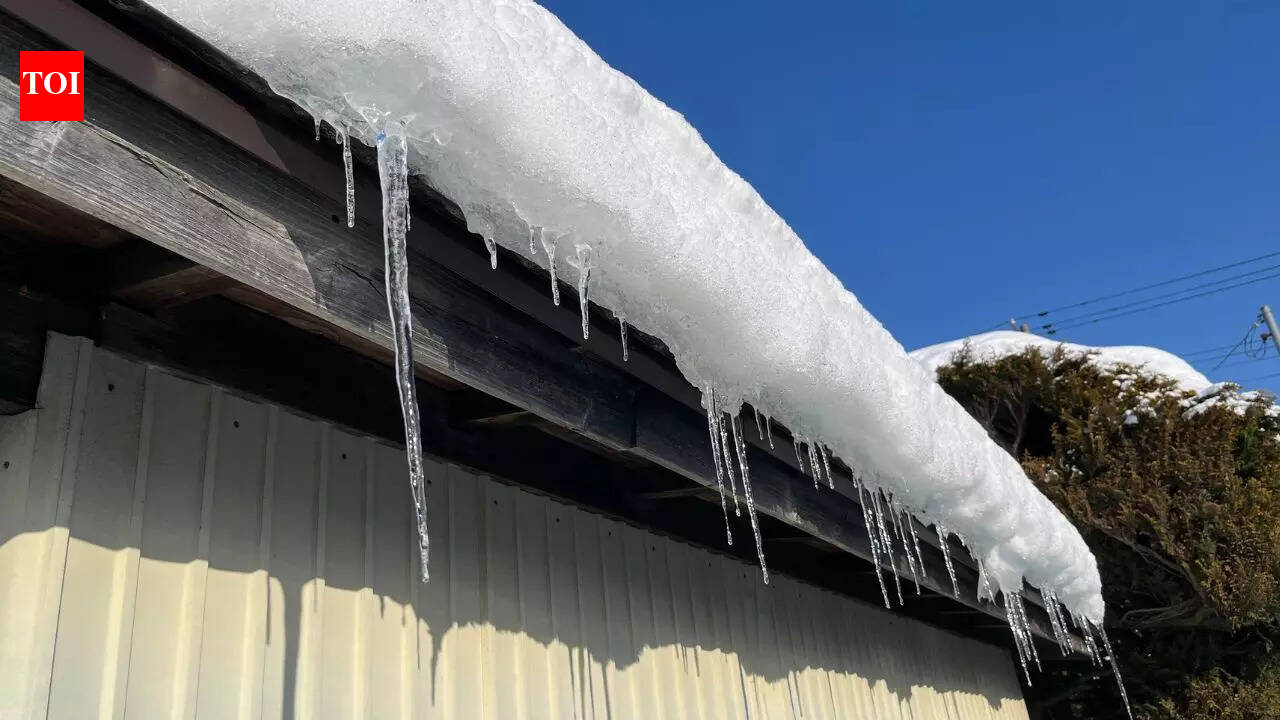
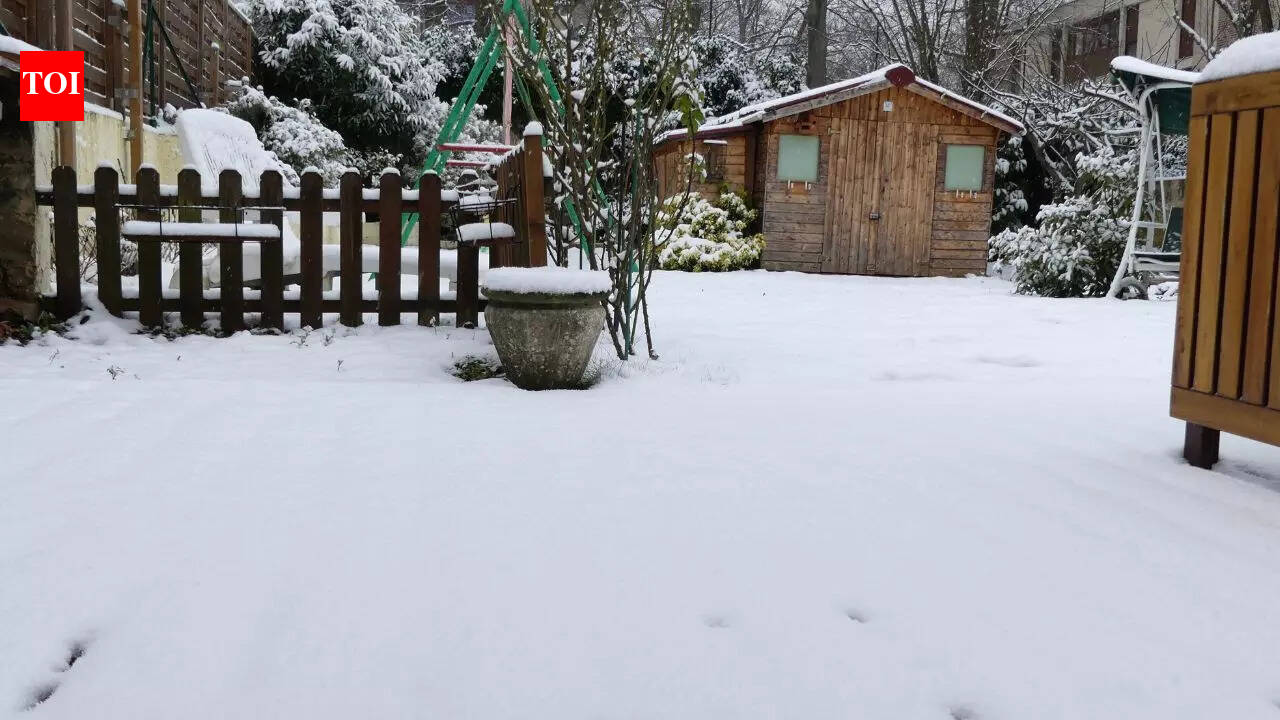
Snow on a roof looks nice, right? But up close, it’s not all pretty. When snow melts unevenly, ice can build up at the edges and trap water behind it. That water doesn’t stay outside. It can creep under shingles, into insulation, even ceilings and walls. Small leaks today can become rot, mould, or damage to gutters tomorrow.Sure, you can try removing ice dams after they form, but it’s risky, messy, and often expensive. Most experts say prevention is the smarter move. Knowing how ice forms and spotting early warning signs can save you headaches and money.Ice dams are winter’s quiet headache for homeowners. But paying attention to insulation, ventilation, gutter maintenance, and early signs can prevent most problems. Do this, and the snow outside can stay pretty, without turning into a disaster inside.

Why ice dams show up

Ice dams happen because the roof temperatures aren’t even. Warm air from the attic melts snow near the top, but the edges are still freezing. Water slides down and refreezes along gutters, slowly forming ridges and icicles.Homes with poor insulation or bad ventilation are especially prone. Even small leaks of heat from lights, wires, or attic hatches speed up the problem. Over time, what looks like a few harmless icicles can lead to trapped water seeping inside. That’s when the real trouble starts.

Small warning signs you might miss

Not every ice problem shows up immediately. Keep an eye out for:

  • Icicles are forming earlier than usual
  • Frost or water stains near outside walls
  • Shingles curling or lifting a little at the edges
  • Ice around downspouts or vents

Catch these early, and you can act before water does serious damage.

How to safely remove ice from your roof

If ice has already formed, be careful. Some options:

  • Use a roof rake from the ground- don’t risk slipping on the roof
  • Make small channels in the ice with warm water on sunny days
  • For stubborn ice, call a pro. Steam works, but it’s tricky
  • Avoid sharp tools or chemicals- they can ruin shingles or gutters
  • Gutter guards or heating cables along edges can help in high-snow areas.

Prevention is better than repair

Stopping ice dams before they appear is easier than fixing them. That means:

  • Seal attic hatches, lights, and wires to keep heat inside
  • Add or upgrade insulation to even out the roof temperature
  • Ventilate properly with ridge and soffit vents
  • Keep gutters and downspouts clear
  • Use snow guards or roof de-icing cables if the snow is heavy

Each step helps, but combined, they make ice dams much less likely. Addressing these issues early can also reduce long-term roof damage and costly repairs.


Source link

Winter warning: 7 things you should never leave outside in freezing weather |


Winter warning: 7 things you should never leave outside in freezing weather

Freezing weather has a way of damaging things quietly. Nothing dramatic happens overnight. Instead, cold air mixes with moisture from rain, snow, or fog, and that moisture finds its way into places you rarely think about. Small cracks, seams, joints, hoses, and wiring. When temperatures drop, trapped water expands. Materials tighten. Some weaken without showing it. The problem often appears much later, when winter ends, and items are put back to use. That is when cracks show up, electronics stop working, or fittings begin to leak. Even items sold as outdoor safe are not always built for long stretches of freezing temperatures. Moving a few vulnerable belongings into a garage, shed, or basement before winter settles in can save money and frustration once spring arrives.

Effective strategies for keeping home warm during winter

Winter can silently ruin these 7 items left outside your home

Cold weather does not treat all outdoor items equally. Some materials tolerate freezing better than others, but these items tend to suffer the most when left exposed through winter. By spring, many of these items may already be weakened or beyond repair.

Patio furniture

The furniture that has been left outside all winter may look okay when you first see it, but the truth comes out when you try to move it. The wood may develop cracks along the grain from the freezing and thawing cycles. Metal parts may rust where water collects, and plastic or wicker may become brittle and break when you press on it.Clay and terracotta pots absorb moisture even when they look dry. When that moisture freezes, it expands inside the material. Over time, this leads to fractures that may not be visible until the plant breaks completely in spring.Cold temperatures and condensation are hard on electronic components. Wiring, circuit boards, and screens can fail without warning. Even weather-resistant items benefit from being stored indoors once temperatures stay consistently below freezing.

  • Lights and extension cords

Electrical cords stiffen in cold weather, making them easier to crack or damage internally.Indoor-rated cords should never be used outdoors in winter, as moisture and temperature changes increase safety risks.

  • Cleaning products and chemicals

Freezing can also change many liquid materials permanently. Paint may separate, cleaning solutions will no longer clean, and liquids will become thicker. Granular materials can absorb water and clump together, making them unusable later on.

  • Pressure washers and outdoor equipment

Water inside pumps, hoses, or tanks expands when it freezes, which may cause fittings or seals to crack. Even if you drain the water carefully, it’s hard to get all the water out of the hidden areas inside the pump or hose.

  • Outdoor decor and garden statues

Outdoor decor and garden statues

Decorative items made from ceramic, glass, or lightweight concrete often absorb moisture over time. Freezing causes internal pressure that leads to surface cracking, flaking, or sudden breakage.

What can stay outside with proper winter preparation

Not everything that’s outside needs to come in, but a little prep work for winter makes a big difference. You can leave your grills and fire pits outside as long as they’re covered to prevent rust. Drain and disconnect your rain barrels, then store them upside down. Hard outdoor toys will withstand the cold better if they’re stored in covered containers or under waterproof protection. A little planning ahead of time will save you time and trouble when the warm weather rolls around again.


Source link

“She wanted to be by my side.” Dog walks 15000 km with 28-year old man and won’t leave him for anything in this world


"She wanted to be by my side."  Dog walks 15000 km with 28-year old man and won't leave him for anything in this world

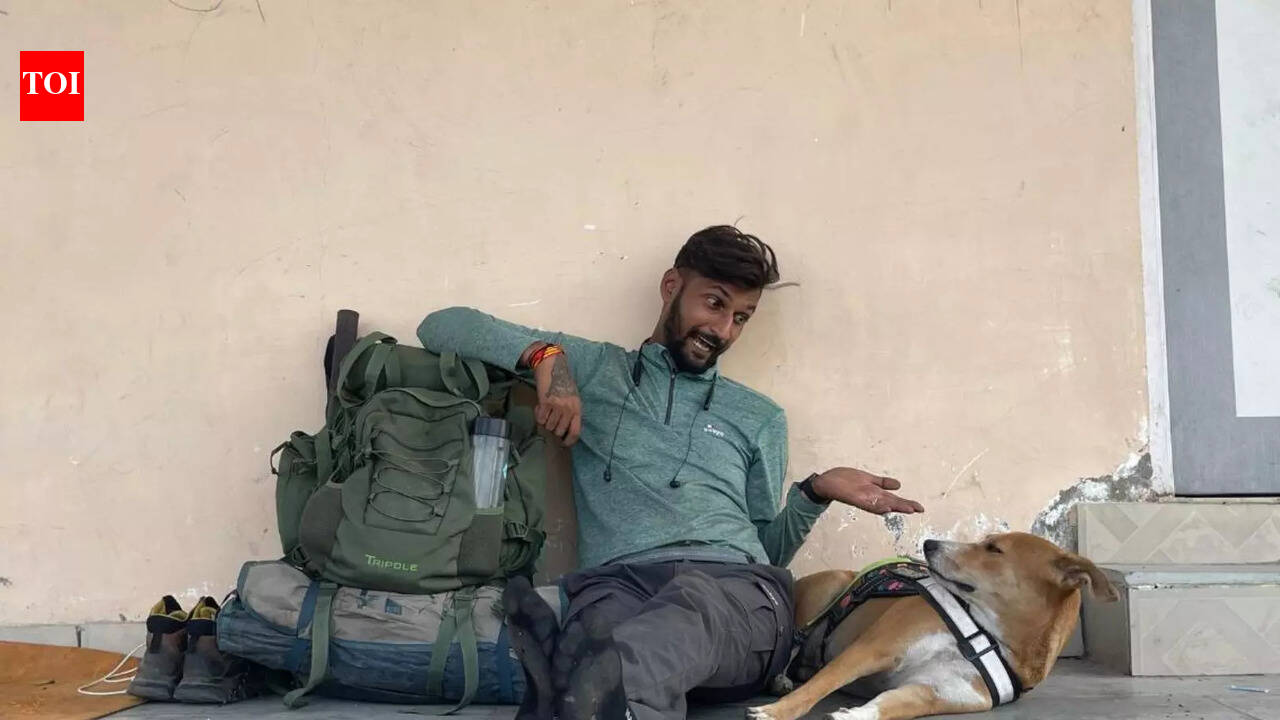
I began my first long walk during the pandemic. I still remember the date clearly, September 1, 2020, right in the middle of uncertainty and lockdown fatigue. Many people tried to dissuade me. Some were surprised; others openly questioned my decision. Why would anyone want to walk 520 kilometers on foot?There was, however, one person who said something that stayed with me. He asked me to click photographs along the way, adding that we rarely get to see how places look when approached through untrodden paths. That single thought was encouragement enough. And so, I set off on my first journey on foot-from Rishikesh to Badrinath.”For 28-year-old Yati Gaur, the experience was transformative. “The pace of walking, the silence, the changing landscapes, and the constant dialogue with myself made it unlike anything I had known before. I enjoyed it so much that I wanted to do it again-and then again. At the time, I had no plans of building a career around it or posting seriously on Instagram. I did take photographs and share them occasionally, but without any strategy or expectation.”In January 2021, Yati decided to walk through Rajasthan. It was during one of these journeys that he met Butter.

(Image: Yati Gaur)

Yati Gaur, who lives in Noida, is today a well-known social media influencer who goes by the name theunfoldingplay. With over 106,000 followers, he has walked nearly 15,000 kilometres across 13 states—much of it with his dog Butter by his side. Through his posts, Yati shares stories from the road, capturing travel not as a checklist of destinations, but as lived, breathing experience.“It was during my walk across Rajasthan that I met Butter,” Yati recalls. “I first saw her in Bhojawas village, among seven or eight puppies. Their mother was nowhere to be seen. When I went to play with them, the others ran away, but Butter came straight to me. It felt like love at first sight.” After asking the villagers for permission, Yati picked her up and carried her in his arms.

(Image: Yati Gaur)

At the time, Yati was working in the hospitality industry. With working parents and a sibling, he struggled to figure out how he would care for a puppy. An elderly uncle who happened to be his neighbour agreed to keep Butter, and the puppy grew up in his home alongside another dog. Eventually, managing two dogs became difficult, and Butter was returned to Yati.Day boarding did not work-Butter kept falling ill. Adoption attempts failed, and even an NGO demanded ₹80,000 to take him in. “I didn’t have that kind of money,” Yati says. “So I decided against it.”

(Image: Yati Gaur)

On his next journey, Yati took Butter along. “We don’t travel continuously,” he explains. “We stay in one place for long periods and explore slowly.” At one point, Yati left Butter with shepherds in Rishikesh, believing it would be a good life for him. But Butter followed him 12 kilometers downhill. Yati dropped Butter again, but he returned, waiting outside Yati’s hotel room and scratching at the door.That was the moment Yati understood: Butter wasn’t going anywhere.He began training Butter for long walks-slowly increasing distances, teaching him endurance, and adapting food and rest routines. “Soon I realised Butter was better equipped for these journeys than I was,” he says. That realisation gave him confidence.On November 1, 2022, they began their longest walk together-from Badrinath through Uttarakhand, the plains of Uttar Pradesh, Bihar, Odisha, Andhra Pradesh, and Tamil Nadu, all the way to Rameswaram and Dhanushkodi. From there, they continued through Maharashtra and Madhya Pradesh to Somnath in Gujarat. Yati experimented with customised shoes for Butter, but they proved uncomfortable. Instead, he focused on rest, weather-appropriate gear, and long breaks.

(Image: Yati Gaur)

Today, Butter is believed to be the first Indian dog to walk nearly 15,000 kilometers on foot.The bond Yati shares with Butter is difficult to put into words. It was not built overnight, nor out of convenience, but through miles of trust, patience, and shared silence. What began as a solitary walk for Yati, gave him a unique companionship-proving that sometimes the reward is not awaiting the end of an expedition but is with you all along the journey.


Source link

Why putting things on top of your microwave might be a bigger risk than you think |


Why putting things on top of your microwave might be a bigger risk than you think

At first, the top of your microwave just looks like extra space begging to be used. It’s right there, easy to get to, and when your counters are already packed with kitchen stuff and random junk mail, tossing a cookbook or a basket on top feels like no big deal. Honestly, it seems pretty smart.But this habit packs some hidden risks. A microwave isn’t just another silent, box-shaped gadget. Every time you use it, it heats up, needs room to breathe, and even shakes a little. If you block the vents or stack heavy things on top, you mess with how it works. That can hurt the microwave’s performance, and in some cases, it’s actually a safety issue; something most people don’t even think about.

Why microwaves need proper ventilation to prevent overheating

As Southern Living notes, covering the vents of a microwave is a bad idea. They generate heat internally, which needs somewhere to go. That’s why they’re designed with ventilation openings, and they are sometimes on the back, sometimes on the sides, and occasionally on the top. Blocking those vents, even partially, can trap heat inside the unit.Think of it like wearing a winter jacket indoors while cooking. You’d probably overheat fast. A microwave works the same way. When vents are covered, heat builds up, components wear out faster, and in rare cases, things can get dangerous. What’s tricky is that items placed on top can shift slightly over time, especially from vibration, accidentally covering vents you didn’t even notice were there.

How heat buildup affects objects placed on microwaves

Even when vents aren’t blocked, the top of a microwave can get warm. That heat can slowly affect whatever you’ve placed there. Paper items might dry out. Plastic containers can warp. Wooden cutting boards may crack over time.During extended use, some microwaves can reach internal temperatures hot enough to weaken adhesives inside. Adding extra heat by trapping warmth around the unit only makes things worse. And if something flammable is sitting on top, the risk becomes unnecessary. It’s one of those “seems fine until it isn’t” situations.

Is it safe to put items on top of a microwave

A microwave might appear sturdy, but it isn’t designed to hold weight. Placing heavy objects like blenders, air fryers, or stacks of dishes on top adds pressure the appliance wasn’t built to handle. Over time, this can affect internal components or loosen parts. There’s also the very real possibility of something sliding off. Countertops vibrate more than we realise, especially when appliances are running. One accidental bump and suddenly your coffee maker is on the floor.

What is the safest way to use the space above a microwave

The irony is that the space above your microwave can still be useful. A small shelf mounted above, a nearby cabinet, or even a rolling cart can give you storage without the risk. These options keep items accessible while letting your microwave do its job properly.Microwaves last longer when they’re allowed to ventilate freely. They run more efficiently. And you don’t have to worry about knocking something off every time you heat leftovers. It’s one of those simple changes that quietly improve your kitchen without much effort.


Source link

This tiny Madagascar spider spins silk 10 times stronger than steel and scientists are stunned |


This tiny Madagascar spider spins silk 10 times stronger than steel and scientists are stunned
Source: The New York Times

Deep in Madagascar’s rainforests lives a spider no bigger than a coin, easy to miss and rarely noticed. Yet this tiny creature is responsible for one of nature’s most astonishing feats. It spins vast webs across flowing rivers, stretching threads more than 80 feet from bank to bank. The real surprise lies in the silk itself. Tests show it can outperform steel of the same thickness, combining extreme strength with remarkable flexibility. Unlike rigid materials, the silk absorbs huge amounts of energy before breaking, making it tougher than many synthetic fibres used in body armour. Scientists have studied this spider for years, and each experiment raises new questions.

This spider builds massive webs stretching over 80 feet

The spider spins huge orb webs. Reportedly over rivers, streams and even some fast-flowing water. Anchored on trees on opposite banks. Experts say some threads reach 25 metres. That’s insane for a creature so small. It seems like something out of a comic book.Researchers Igni Agnarsson and Matjaž Kuntner first spotted them back in 2008. It appears the webs can stretch over 30 square metres.

Spider silk in Madagascar outperforms Kevlar in toughness

Then there’s the silk itself. Experts say it’s extraordinary. Jessica Garb from the University of Massachusetts Lowell reports it’s “10 times better than Kevlar,” not just in strength but in toughness. It stretches twice as far as most orb-weaving spiders before snapping.Scientists aren’t exactly sure why it’s so resilient. The spider itself is tiny. Barely an inch across. Yet it catches dozens of insects in a single web. And the effort seems worth it. Madagascar’s ecosystem is isolated and unique. Lots of weird creatures but Darwin’s bark spider stands out. Not for beauty. Bur brains.


Source link

Sonam Kapoor’s pregnancy glow hits different in this navy velvet gown


Sonam Kapoor’s pregnancy glow hits different in this navy velvet gown
Sonam Kapoor showcased a serene yet striking maternity style at a Lancôme event, where she was unveiled as the brand’s first Indian ambassador. She wore a deep navy velvet off-shoulder gown that elegantly complemented her pregnancy glow. The look was understated, with subtle sapphire jewelry and natural makeup, highlighting her confidence and personal style.

Sonam Kapoor has always treated fashion like a personal diary. Every look feels like a page she’s carefully written, and pregnancy hasn’t changed that one bit. If anything, it’s added a softer, warmer note to her style story. The actor, who’s getting ready to welcome her second child, recently stepped out for a Lancôme event where she was introduced as the brand’s first Indian ambassador. Big moment, big glow.And the outfit? Quietly stunning. Sonam showed up in a deep navy velvet gown that felt rich without trying too hard. The off-shoulder neckline gave it that old-school elegance, the kind that never really goes out of fashion. The fit hugged her bump in a way that felt tender, not showy. The skirt flowed all the way to the floor, moving beautifully every time she took a step. It was simple. It was dramatic. It worked.

Sonam Kapoor at an event in Mumbai

Mumbai: Bollywood actor Sonam Kapoor during Lancome event, in Mumbai. (PTI Photo) (PTI01_31_2026_000018A)

But what really made the look land was how she kept everything else calm. Sapphire drop earrings and a matching ring added just enough sparkle. Nothing loud. Nothing fighting for attention. Just the right amount of shine against that deep blue velvet.

New Mom, Same Glam! Sonam Kapoor Turns Heads With Bold B&W Style

Her makeup stayed in the same soft lane. Fresh skin, natural glow, brows done but not overdone. A little colour on the cheeks, a gentle pink on the lips. You could actually see her face, not layers of product. It felt like her.

Sonam kapoor baby bump

सोनम कपूर का बेबी बंप

So did the hair. Centre-parted, slicked back at the top, loose through the lengths. Clean, easy, unfussy. Even the nails were low-key, with a pearly shimmer that caught the light when she moved her hands.There’s something really nice about seeing maternity fashion that doesn’t try too hard to be “maternity fashion.” Sonam’s look didn’t scream for attention. It just existed, confidently. And that’s kind of the point. Stylish, calm, glowing in her own lane.


Source link