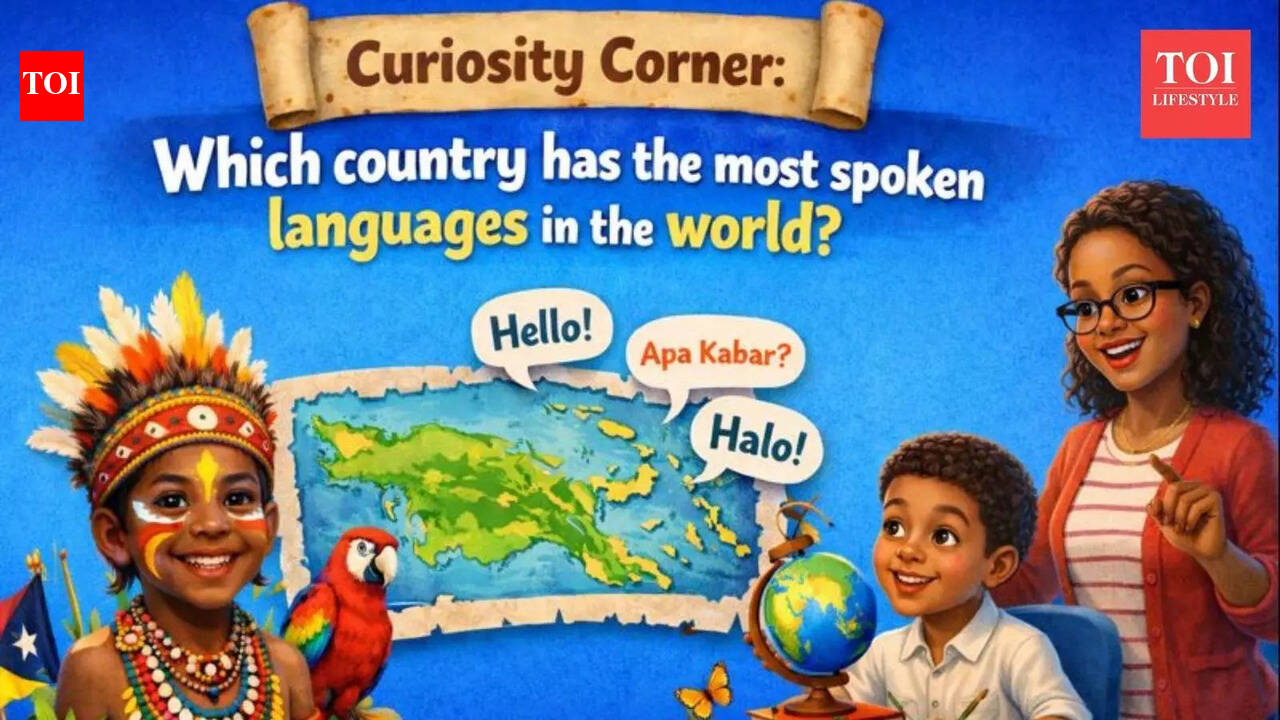
Curiosity corner: Which country has the most spoken languages in the world?


Curiosity corner: Which country has the most spoken languages in the world?
In the vibrant tapestry of Papua New Guinea, over 840 distinct languages flourish, surpassing the combined total of Europe and North America. This remarkable linguistic diversity sprouted from the country’s isolating landscapes, with each language encapsulating the essence of its community’s traditions and daily life.

Words travel. They cross rivers, climb hills, and change shape as people grow up in different places. Some countries hear many languages every day, but one country hears more than any other on Earth. That country is Papua New Guinea, and its language story feels like a treasure chest waiting to be opened.

Meet Papua New Guinea, the language giant

Papua New Guinea sits near Australia, in the Pacific Ocean. It may look small on a world map, but it holds 840+ living languages, as per the data from Our World in Data. That means this one country has more languages than Europe and North America combined. Each language belongs to a real group of people, with their own songs, stories, and jokes.

Why so many languages in one place?

Tall mountains, thick forests, and deep valleys cover the land. For hundreds of years, villages stayed far apart. People met nature more often than neighbors. Over time, each community shaped its own words. A river here or a hill there slowly turned one language into many.

Languages born from daily life

Many languages in Papua New Guinea grew from simple needs. Words for rain, farming, fishing, and family came first. Some languages have special words for types of mud or forest sounds. That shows how closely children and elders listen to their surroundings while they are growing up.

What do children speak at school and home?

Most children learn a local language at home. At school, many also learn Tok Pisin, a common language that helps people from different regions talk to each other. English is taught too. Switching between languages becomes a normal part of childhood, like switching games.

How Papua New Guinea compares to others

With more than 700 languages spoken across numerous islands, Indonesia ranks second. Nigeria is next, with more than 500 languages that have been influenced by vibrant civilisations and history. Papua New Guinea continues to lead the world in spoken languages in a single nation.Every language carries feelings, ideas, and memories. When a small language disappears, a piece of the world’s thinking disappears too. Papua New Guinea reminds young minds that listening matters. Even the smallest voice has a story worth keeping.Disclaimer: Language counts are based on widely accepted linguistic research and may change as languages evolve, merge, or fall out of use. The numbers mentioned reflect current best estimates, not fixed totals.


Source link

Best-dressed celebs from Grammys 2026 that ate and left no crumbs


If the Oscars are the elegant older sister who follows all the rules, the Grammys are the rebellious middle child who stays out late, texts back when she feels like it, and absolutely refuses to play it safe. And honestly? We wouldn’t have it any other way.
The 2026 Grammy Awards red carpet didn’t just deliver fashion; it delivered moments. We saw method dressing, nostalgic throwbacks, and enough sheer fabric to wrap the Crypto.com Arena twice over. If you missed the livestream because, well, it was a Monday morning in India, don’t stress. We’ve curated the ultimate style breakdown of the night.


Source link

Parenting quote of the day: “What it’s like to be a parent: It’s one of the hardest things you’ll ever do but…” – Nicholas Sparks


Parenting quote of the day: “What it's like to be a parent: It's one of the hardest things you'll ever do but…” - Nicholas Sparks
Navigating the complexities of parenting is no small feat, yet it unveils profound revelations about love without conditions, a sentiment echoed by author Nicholas Sparks. Every day, parents encounter challenges that extend their boundaries, demanding both endurance and selflessness. In this dance of nurturing, children, with their innocence and repetitive inquiries, impart lessons in acceptance and mindfulness.

“What it’s like to be a parent: It’s one of the hardest things you’ll ever do but in exchange it teaches you the meaning of unconditional love,” wrote bestselling author Nicholas Sparks, known for exploring deep human emotions in his novels. This quote speaks directly to the heart of parenting. It does not promise ease or perfection. Instead, it offers an honest exchange. Parenting asks for patience, sacrifice, and strength, and in return, it slowly reveals a kind of love that does not depend on success, behaviour, or gratitude.

Why parenting feels so hard

Parenting tests limits every single day. Sleep breaks, routines change, and personal space shrinks. Decisions feel heavier because they affect another life. Concerns about safety, health, and the future are very much constant. This challenge is genuine and nowhere near a sign of failure. The quote by the author recognises that parenting is challenging since it requires simultaneous emotional, mental, and physical work.

Love without conditions, not without effort

Unconditional love does not mean easy love. It means showing up even when tired, upset, or unsure. Parents learn to love beyond moods and moments. A child is cared for even after mistakes, tantrums, or arguments. Over time, this repeated choice to stay becomes the very clear lesson in what unconditional love truly means.

How children quietly teach adults

Parenting is often seen as teaching children. However, children have a significant influence on adults. They use repetition to teach patience. They use vulnerability to teach empathy. A child’s longing for comfort, demonstrates how love functions best when it is present rather than flawless. This lifelong learning comes slowly.

The unseen sacrifices that shape love

Many parenting sacrifices go unnoticed. Skipped meals, delayed dreams, and quiet compromises are common. These sacrifices are rarely announced. They build a deep emotional bond instead. Love grows stronger because it costs something. The quote reflects this truth without romanticising the struggle.

Growth that continues beyond childhood

Unconditional love does not end when children grow up. It evolves. Parents continue to care, worry, and support from a distance. The lessons learned during early years shape relationships for the rest of their lives. Parenting changes how love is given in friendships, families, and even workplaces.

Why this quote stays relatable

The strength of the quote lies in its honesty. It does not promise joy every day. It promises meaning. Parenting gives a deeper understanding of love that expects nothing back. This message touches the heart because it reflects real experiences and not the ideal images.Disclaimer: This article is for general information and reflection only. It does not replace professional parenting, medical, or psychological advice. Parenting experiences can vary widely based on personal and cultural factors.


Source link

Union Budget 2026: Big push for tourism, 7 high-speed rail corridors announced, heritage sites to be developed |


Union Budget 2026: Big push for tourism, 7 high-speed rail corridors announced, heritage sites to be developed
Budget 2026: FM Sitharaman proposes seven high-speed rail corridors, freight links, new waterways push

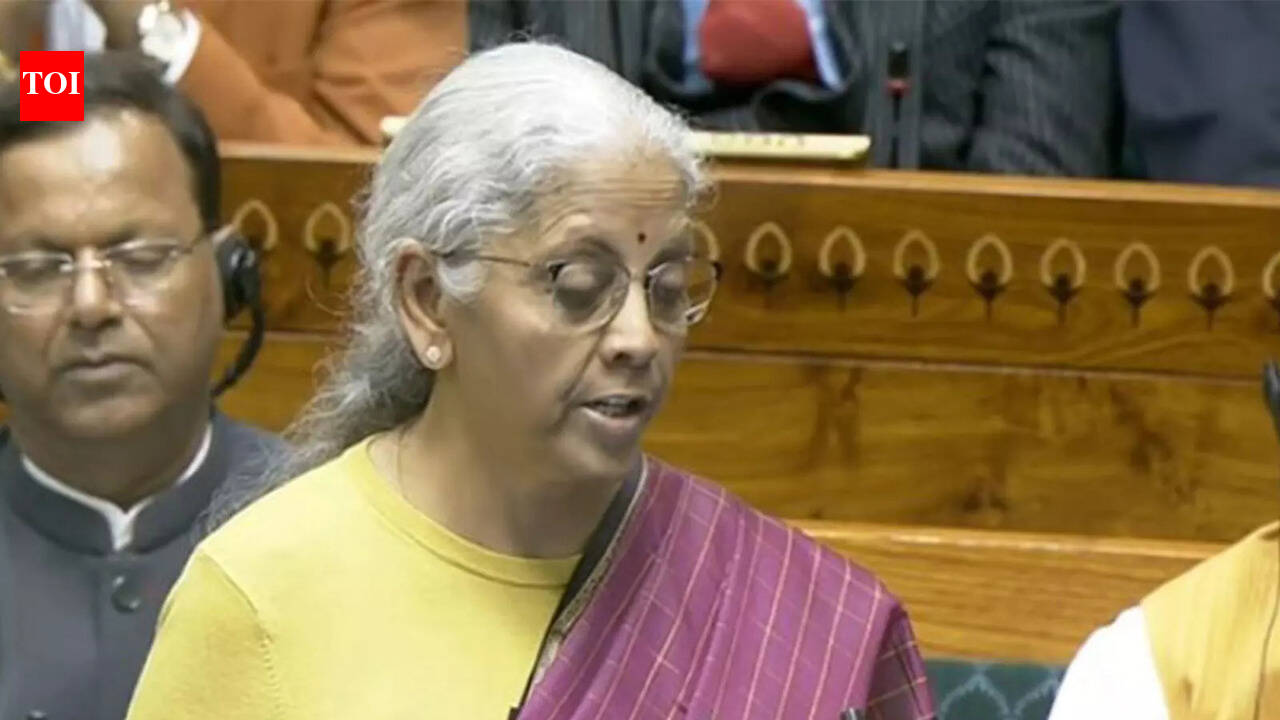
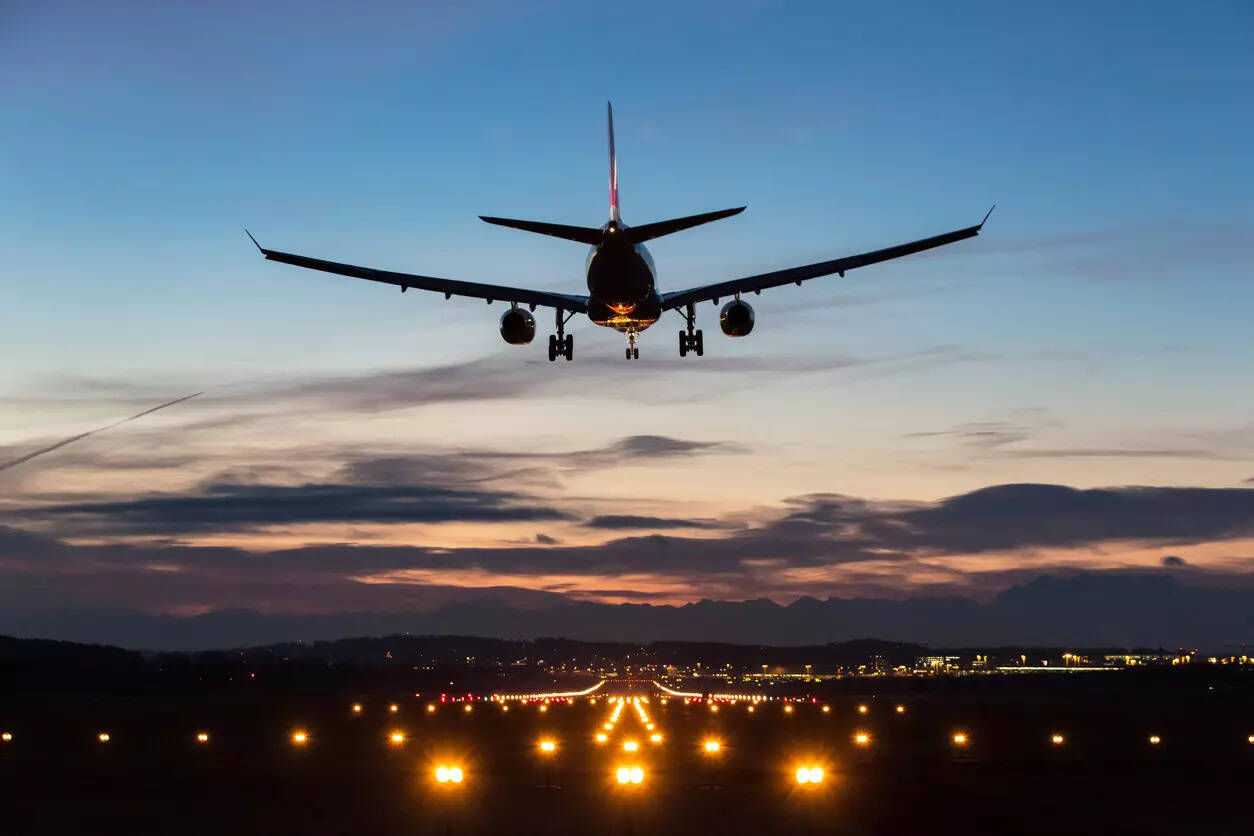
The Union Budget 2026 has been presented, with Finance Minister Nirmala Sitharaman outlining the government’s roadmap for economic growth. For India’s tourism and hospitality industry, the budget was closely watched by industry people on how the budget announcements will set an agenda for the industry’s next phase of development. From connectivity and infrastructure to targeted tourism initiatives, the announcements offer insight into what lies ahead for hotels, travel companies, investors, and allied sectors.The sector had been seeking stronger budgetary support to boost new air routes, expand infrastructure, and stimulate both domestic and international travel.

flight

Tourism related stocks also were looking positive after the Finance Minister put focus on building indigenous tourism. Shares of travel and tourism companies rose as much as 10 percent after the announcement, as investors bet on the industry growing in coming years.In her speech, the FM proposed developing 15 archaeological sites to promote heritage tourism in the country. Places like Sarnath and Hastinapur will be developed. She also proposed a plan for scaling 10k guides in well known tourist hubs. Comprehensive documentation of this work will be done and extended to a range of spiritual historic sites in the country, so as to better implement preservation efforts while promoting tourism driven economic development.The Budget also outlined plans to introduce mountain train services in states such as Himachal Pradesh, Uttarakhand, and Jammu & Kashmir. These services are intended to improve connectivity in hilly regions while promoting tourism in areas that are often difficult to access.

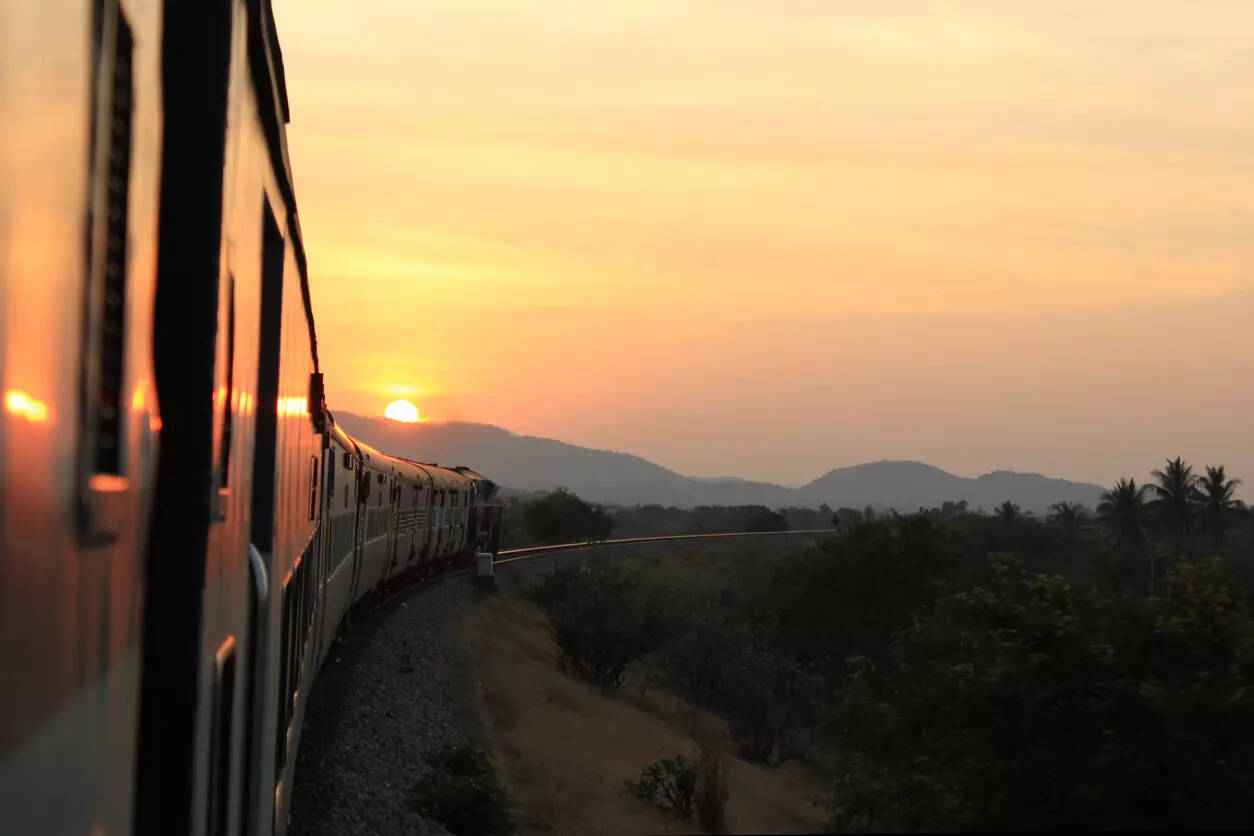
train

In a big infrastructure push, Sitharaman also proposed starting work on seven high-speed rail corridors to connect Indian cities and improve long-distance travel. Announcing the Union Budget 2026, she said these corridors would connect important economic, industrial and cultural nodes of the country to reduce travel time, increase logistics efficiency and growth in a balanced manner.The high-speed rail corridors to be covered by the bill are:Mumbai–Pune,Pune–Hyderabad,Hyderabad–Bengaluru,Hyderabad–Chennai,Chennai–Bengaluru,Bengaluru–Varanasi, andVaranasi–Siliguri.These corridors are intended for enhancing connectivity in western, southern and eastern part of India as well as connecting economic centres to technology hubs.Here’s how the industry leaders reacted:“What stood out for me in this Budget is that it doesn’t treat travel as a one-sided story. Outbound travel needed a course correction, and cutting TCS on foreign tour packages to 2% does exactly that, it takes away a friction that travellers were feeling every time they planned a trip. On the inbound side, the intent is clearly longer-term. What stands out is the emphasis on cultural and experiential travel, whether through developing archaeological sites, strengthening Buddhist circuits, or building skilled local guide networks, tells us the focus is finally shifting to how India is experienced, not just how many people arrive. If this is executed well, it could move Indian tourism from being crowded and transactional to curated and experience-led.”— Karan Agarwal, Director, Cox & Kings“It is encouraging to see the Union Budget recognise tourism as a strategic economic catalyst driving employment, strengthening local enterprise, and contributing to foreign exchange while placing India’s cultural and natural heritage at its core. As one of the country’s most employment-intensive and revenue-generating sectors, tourism has the capacity to play a far more expansive role in India’s growth story, and the Budget’s focus signals a clear intent to unlock that potential responsibly.For Uttarakhand, the emphasis on sustainable and responsible tourism is particularly significant, as the state’s long-term appeal is intrinsically linked to the protection of its forests, rivers, and biodiversity. The proposal to upgrade the National Council for Hotel Management & Catering Technology into a National Institute of Hospitality, alongside structured upskilling of 10,000 guides, will meaningfully enhance service quality and destination interpretation. Initiatives such as the National Destination Digital Knowledge Grid and curated experiences like bird-watching trails further reinforce a model of tourism rooted in knowledge, conservation, and community engagement an approach that aligns strongly with the ethos of Jim Corbett National Park. Overall, the measures outlined lay the foundation for a more resilient and enduring tourism economy, built on skill development, environmental stewardship, and shared community benefit.”– Ayu Tripathi, Director, Aahana Resort“I commend Finance Minister Nirmala Sitharaman on the Union Budget 2026–27 for recognising the strategic importance of medical tourism in India’s healthcare growth story. The announcement of five regional medical tourism hubs is a strong and timely step that will enhance India’s position as a global medical value travel destination. By integrating modern healthcare with AYUSH systems, diagnostics and rehabilitation, the budget lays the foundation for a more coordinated and patient-centric ecosystem. The emphasis on private sector participation and strengthening healthcare capacity will improve service delivery and scalability. While further policy support over time can accelerate global patient inflows, the budget clearly demonstrates a forward-looking approach to building a competitive and resilient medical tourism ecosystem that contributes to economic growth.”– Shaaz Mehmood, Founder, Medijourn Solutions Private Limited“The move to include temple towns in the City Economic Regions is very bold and appropriate. The allocation of ₹5,000 crore per CER over a period of five years will help modernise infrastructure, fuel local trade and tourism and translate rising visitor numbers into higher transaction value revenues. This, in fact, will turn temple towns into self-sustaining engines of economic growth while maintaining the sanctity and culture of these sacred spaces.The budget allocation is a critical enabler for the CHESS- G doctrine, a six-pronged strategic framework introduced by Temple Connect. It determines how effectively the model translates from intent to execution across its core pillars. Targeted investment will ensure better convenience infrastructure, hygiene standards, experience design, safety protocols, sustainability integration, and growth activation. We are speaking of economic growth that is centred on inclusion, enabling livelihoods for local communities like artisans, local vendors, e-auto drivers, MSMEs, temple custodians, as well as amplifying local hospitality and temple tourism. This holistic temple-city development is a foundational pillar of a truly Viksit Bharat. Until now, we were operating like the most organised-unorganised sector. However, the temple ecosystem has a higher scope and needs more financial boost from the various state governments and a higher participation from the Culture and Tourism outfits supporting the cause of Empowered Temple Economy & it’s Ecosystem to become much more organised with targeted allocation, cross-ministerial co-ordinations and structured policy support.”– Shri Giresh Vasudev Kulkarni, Founder of Temple Connect and ITCX International Temples Convention and EXPO


Source link

“I’m now on my family’s details but when I click…” Woman shared her e-visa woes and the only thing that solved her problem was… |


“I’m now on my family’s details but when I click…” Woman shared her e-visa woes and the only thing that solved her problem was…

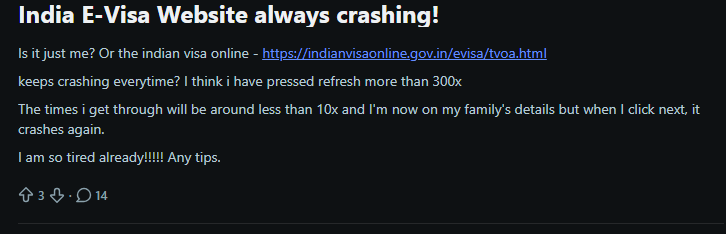
Applying for an India e-visa, or as a matter of fact, applying for an e-visa of any country, is supposed to be a straightforward online process. In reality, for many travellers in early 2026, it has been anything but. What should take minutes has stretched into hours, sometimes days. Reason being repeated crashes, pages stuck in browsing mode, and failed submissions, turning the visa application itself into the first test of patience.Here, in the context of Indian e-via, several travellers attempting to apply for it in January have reported facing persistent technical glitches on the official portal, often getting stuck midway through the application. Pages would load intermittently, only to crash when users clicked ‘Next,’ forcing them to refresh repeatedly and re-enter details from scratch. For families applying together, the frustration multiplied, with applications stalling just as personal or passport information was being submitted.The issue came into sharp focus after one exasperated traveller (aggravating-Stage 261) took to Reddit, asking if the experience was universal or uniquely cursed. “Is it just me? Or the Indian visa online keeps crashing every time?” the post read. “I think I have pressed refresh more than 300x… The times I get through will be around less than 10x and I’m now on my family’s details but when I click next, it crashes again.I am so tired already!!!!! Any tips.” What happened next was a deluge of messages that indicated this was anything but an isolated occurrence. Several people posted very similar experiences of spending days fighting the website on different devices and browsers. “Jan 2026: Absolute terrible experience applying for e-visa. It almost took us three days to lodge two applications,” one commenter wrote.

evisa

“Tried different timings, different browsers, IE mode in Internet Explorer, several different devices.” While the complaints were consistent, so were the workarounds, albeit unconventional ones. One of the most widely endorsed solutions was abandoning mainstream browsers altogether.“The only thing that worked for us was the DuckDuckGo browser (freshly installed). First application went smoothly with no crashing,” a user noted, adding that the second application still took an entire night to complete. Some recommended using Microsoft Edge and turning on Internet Explorer mode, which, although seemingly strange in 2026, helped some users. A user also described issues with file size restrictions following the conversion of images to PDF, eventually turning to online compression services simply to get past the point of uploading. Although the process of applying was chaotic for many, once their forms were submitted, approvals were received relatively quickly. “But the processing is pretty quick. Received approval in a day,” one comment noted. Disclaimer: The above article is based on a Reddit post and Times of India has not verified the veracity of the claim


Source link

Soha Ali Khan on nurturing curiosity without pressure


Soha Ali Khan on nurturing curiosity without pressure
Soha Ali Khan promotes a parenting philosophy that values the wonder of exploration over the race for early success. She highlights the importance of fostering open dialogue, enabling children to delve into their interests without the pressure of instant assessment.

Childhood today moves like a timetable. Before a child has figured out what she enjoys, someone has already asked what she’s good at.Soha Ali Khan’s way of speaking about parenting feels like a quiet interruption to that rush. Not dramatic. Not preachy. Just a steady return to one idea: let children remain interested before you make them impressive.In conversations about raising her daughter Inaaya, Soha has pushed back against the idea that every hobby needs a destination. Speaking to NDTV she explained, “One pattern I consciously wanted to break was the idea that children should always be seen and not heard. With Inaaya I really wanted to encourage open communication, to let her ask questions, express her feelings and have a voice in the family.” That line does the work most parenting manifestos do and does it without sermonising.Curiosity, in her view, is fragile. It shrinks the moment it starts being evaluated. When children sense they are being watched for results, their questions become safer, their risks smaller. Rather than policing interests, Soha’s instinct is to let exploration breathe. In an interview with Indian Express she put it simply: the aim is not to convert play into performance but to allow play to remain play so the child can discover what she cares about.This does not mean the absence of structure. It means structure without urgency. Books, conversations and small rituals appear constantly in how she describes home life. In a feature for the Economic Times she talked about story time being sacred at home: Inaaya will bring a book and ask for a chapter, or invent a story “from your mouth” where the plot is all hers. Soha uses books not to build a résumé but to build an inner world.

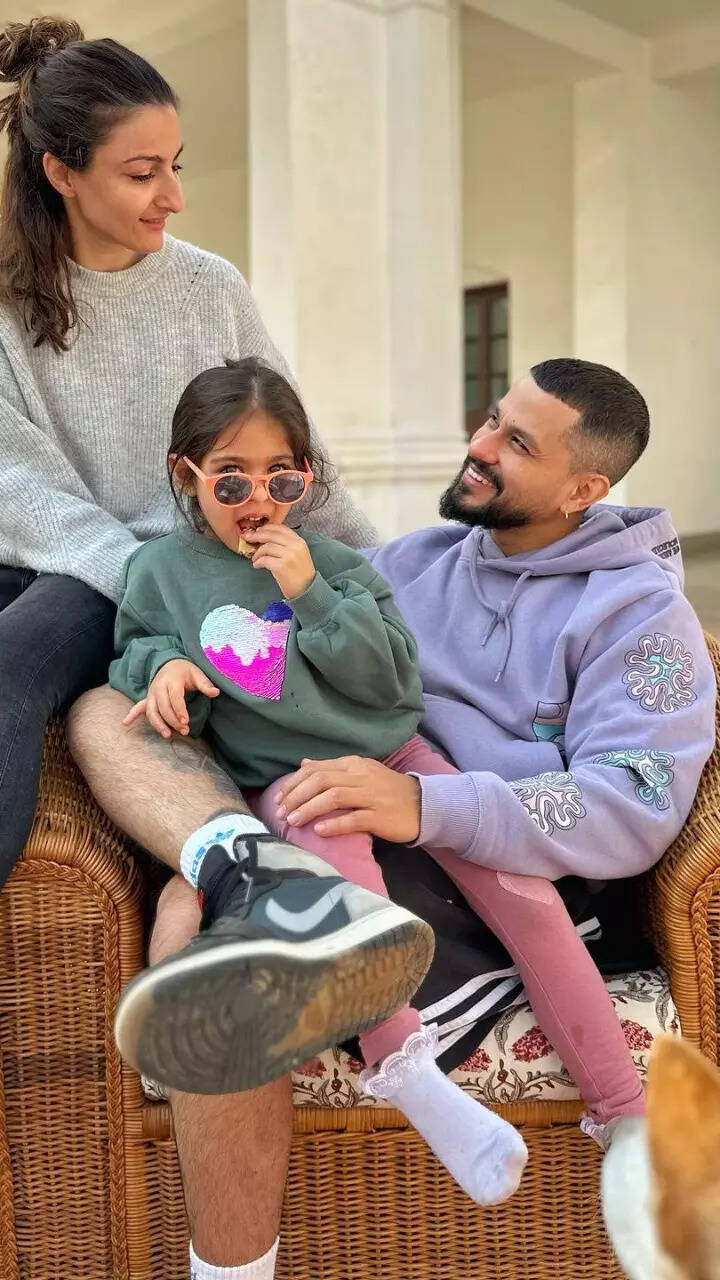
Soha Ali Khan & Kunal Khemmu

Soha and Kunal celebrated New Year 2023 with fam at Pataudi Palace.

There is also an awareness of how modern childhood is shaped by noise. Screens fill gaps instantly. Comparisons travel fast. In a recent Hindustan Times conversation she shared a practical rule she follows to reduce screen dependence and encourage empathy. The result, she said, is that Inaaya learns to notice things and to be curious in ways that screens rarely invite.Allowing boredom matters too. Soha has said on her podcast conversations, including a candid episode with Kareena Kapoor Khan on ‘All About Her’ that boredom is not failure. It is the quiet where new questions form. She told listeners that giving children the room to be unoccupied is an underrated generosity.Pressure hides in over-scheduling, in turning every activity into achievement, in the urge to correct too quickly. Soha’s stance feels like a conscious slowing down. Let a hobby stay a hobby. Let questions wander without steering them toward usefulness. In a Tweak India discussion she admitted she still worries. “I am constantly anxious as a mother” she said; but that anxiety, when named, becomes a guide rather than a script.What is striking is that her view does not reject ambition. It refuses to begin there. When curiosity leads, effort follows more naturally. Children will interact because they want to know, not because they desire approval.Humility shapes how she speaks about parenting. She does not present herself as someone who has figured it out. A lot of her interviews read like a fellow parent talking to other parents, not like a celebrity dispensing doctrine. That tone changes the dynamic. When adults admit they are learning, children feel less pressure to be perfect.The silent takeaway of her view is this: not every interest requires a plan. Attention without evaluation can be the most valuable thing an adult gives. Curiosity, then, is the mood not the result. Atmospheres, more than instructions, are what children grow inside.Soha’s message is easy to miss because it is quiet. It is the small permission slips like, a story at bedtime, an unanswered question left to bloom, a rule about screens used thoughtfully. It is not glamorous. It is human. And it is exactly the kind of thing a child needs to discover who she becomes.


Source link

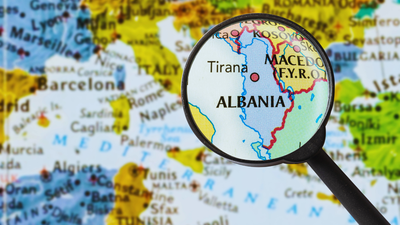
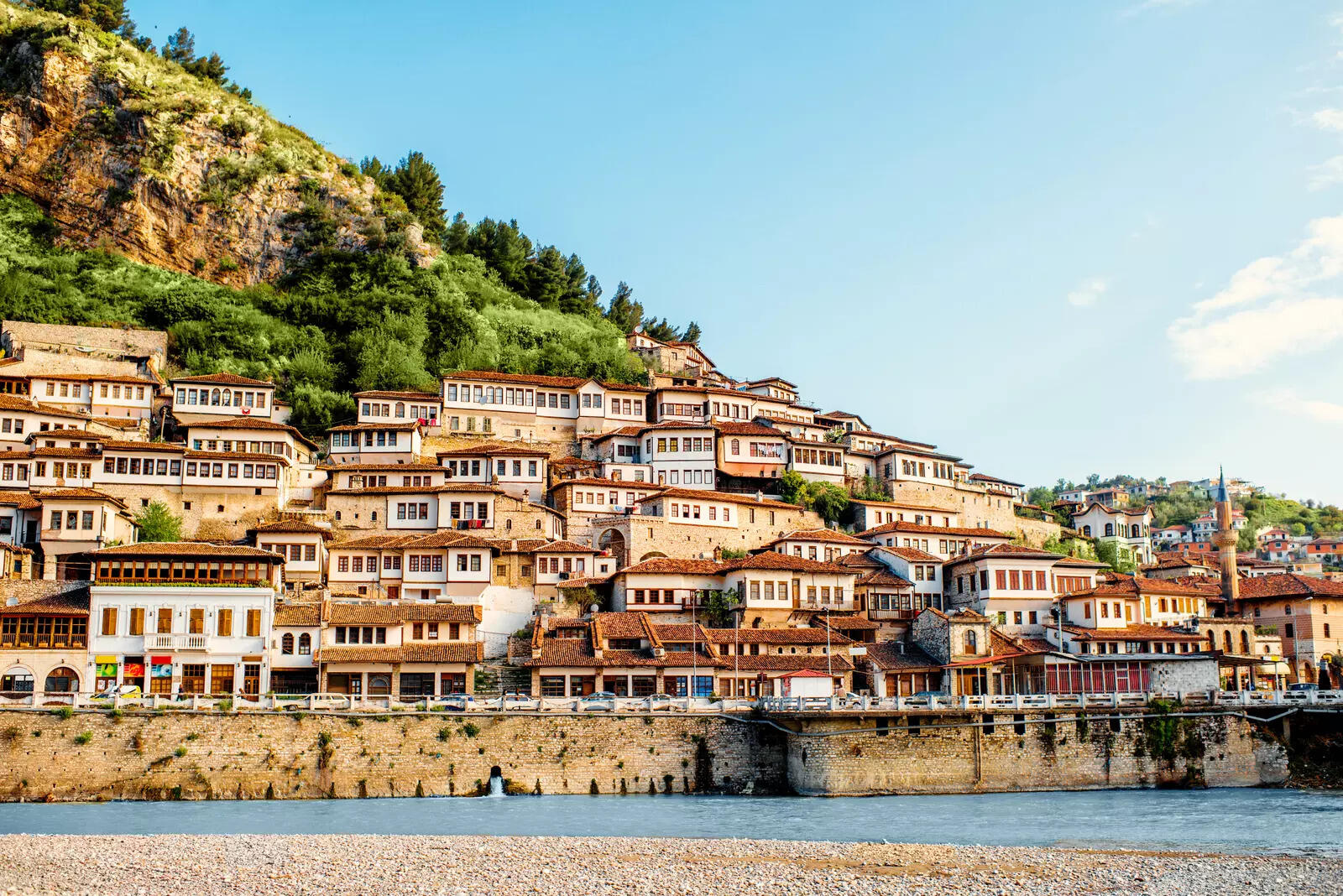
Albania’s visa rules explained: Who can enter this European country without a visa and what Indian travellers need to know |


Albania’s visa rules explained: Who can enter this European country without a visa and what Indian travellers need to know

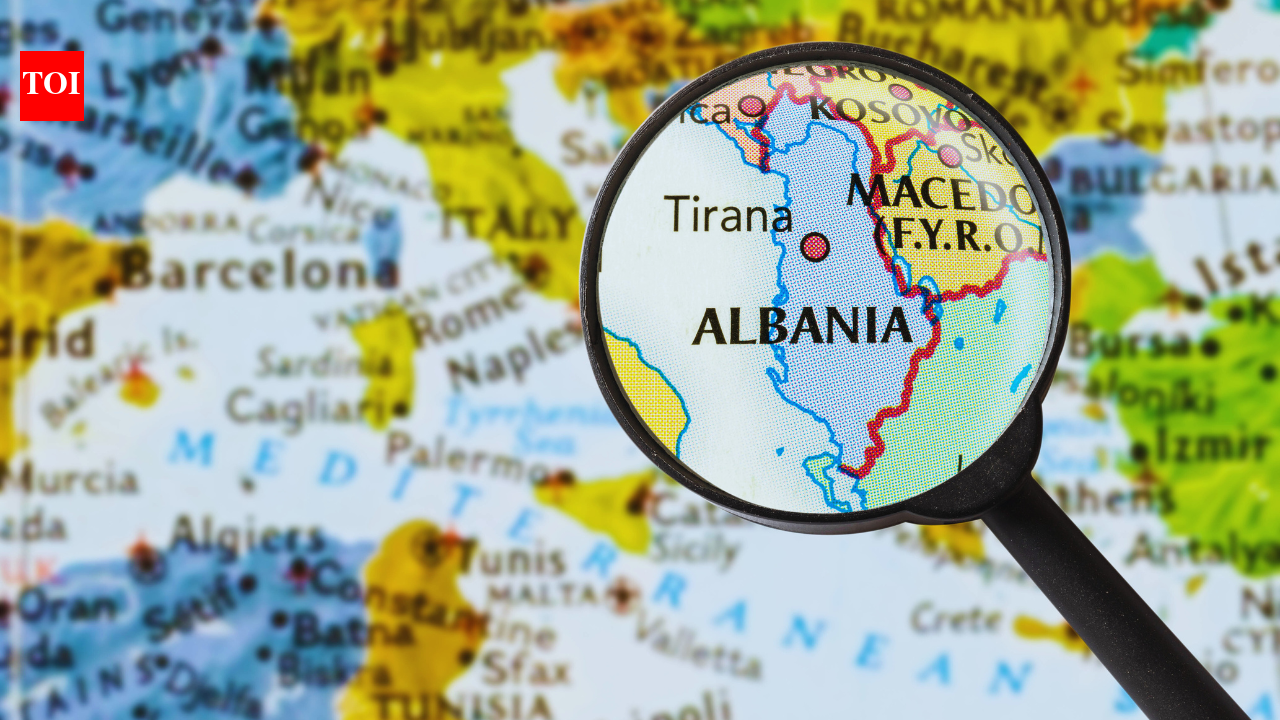
Albania has slowly grown in popularity as a sensible option for tourists considering a vacation throughout Europe. A number of groups of foreign nationals are allowed admission into the country without a visa, including citizens of certain nations during certain times and holders of valid Schengen, US, UK, and UAE residency documents. For more clarity, visit E-visa application system.Below is a clear, simplified overview of Albania’s current visa and entry rules, strictly based on official guidelines.

Who can enter Albania without a visa

Foreign nationals may enter Albania without applying for an Albanian visa in advance if they fall under any of the following categories:

most scenic

Holders of Schengen visas or residence permitsTravellers can enter Albania visa-free if they hold a valid, multiple-entry Schengen visa that has already been used at least once in a Schengen country, or if they possess a valid residence permit issued by a Schengen state.Holders of US or UK visas or residence permitsVisa-free entry is also allowed for those holding a valid, multiple-entry US or UK visa that has previously been used in the country of issuance, or for individuals with a valid residence permit for the United States or the United Kingdom.UAE long-term residence permit holdersForeign nationals holding a 10-year UAE residence permit, issued by the competent UAE authority and valid for at least one year from the date of entry into Albania, are exempt from Albanian visa requirements.Nationals with visa-free access to the Schengen Area Citizens of countries that enjoy visa-free travel to the Schengen Area may also enter Albania without a visa.Temporary visa-free access for select countries (2025)Citizens of Saudi Arabia, Oman, Qatar, Thailand, and Indonesia may enter Albania without a visa for tourism purposes only between 15 April 2025 and 31 December 2025, using only a valid passport.

Holders of EU-issued travel documents

Albania allows visa-free entry for holders of the following EU-issued travel documents:

  • Alien’s travel document
  • Refugee travel document (Geneva Convention, 28 July 1951)
  • Stateless persons’ travel document (New York Convention, 28 September 1954)
  • Travel document for persons under subsidiary protection

Albania visa types explained

Type “C” visa – Short stay

Allows stays of up to 90 days within any 180-day period. It can be issued as a single-entry, double-entry, or multiple-entry visa, either as a stamp visa or an electronic visa.

Type “D” visa – Long stay

Intended for foreigners planning to stay in Albania for more than 90 days within a 180-day period. This visa is valid for one year and allows stays of up to 90 days. It also enables the holder to apply for a residence permit after entering Albania. For Indian passport holders applying for an Albanian Type C (short-stay) visa, the visa fee is €15, regardless of whether the visa is single-entry, double-entry, or multiple-entry, according to Albania’s official consular fee schedule.

Who must apply for an Albanian visa

All foreign nationals whose countries are not listed in Albania’s visa regulation table are required to obtain a visa before travelling. Applications must be submitted through the Albanian embassy that is geographically closest to the applicant’s country of origin or legal residence.

Where and how to apply

Type A and Type C visas: Applications must be submitted online through Albania’s official e-Visa portal Type D visas: Applications must be made via the e-Albania platformVisa applications are processed by Albanian embassies, including those in Beijing, Abu Dhabi, and Istanbul, depending on jurisdiction. All applications are accepted online only, and applicants must be outside Albania at the time of payment.

Visa processing and decisions

Standard processing time: up to 15 working daysExceptional cases: up to 30 working days The applicant receives an electronic visa via email upon approval, which they must provide at both entry and exit points. The issuance of a visa does not ensure entrance because border officials have the authority to refuse entry if certain requirements are not fulfilled.Albania is rapidly becoming one of Europe’s more accessible tourist destinations, especially for visitors with Schengen, US, or UK visas, given to its expansive visa exemptions and flexible entrance regulations.


Source link

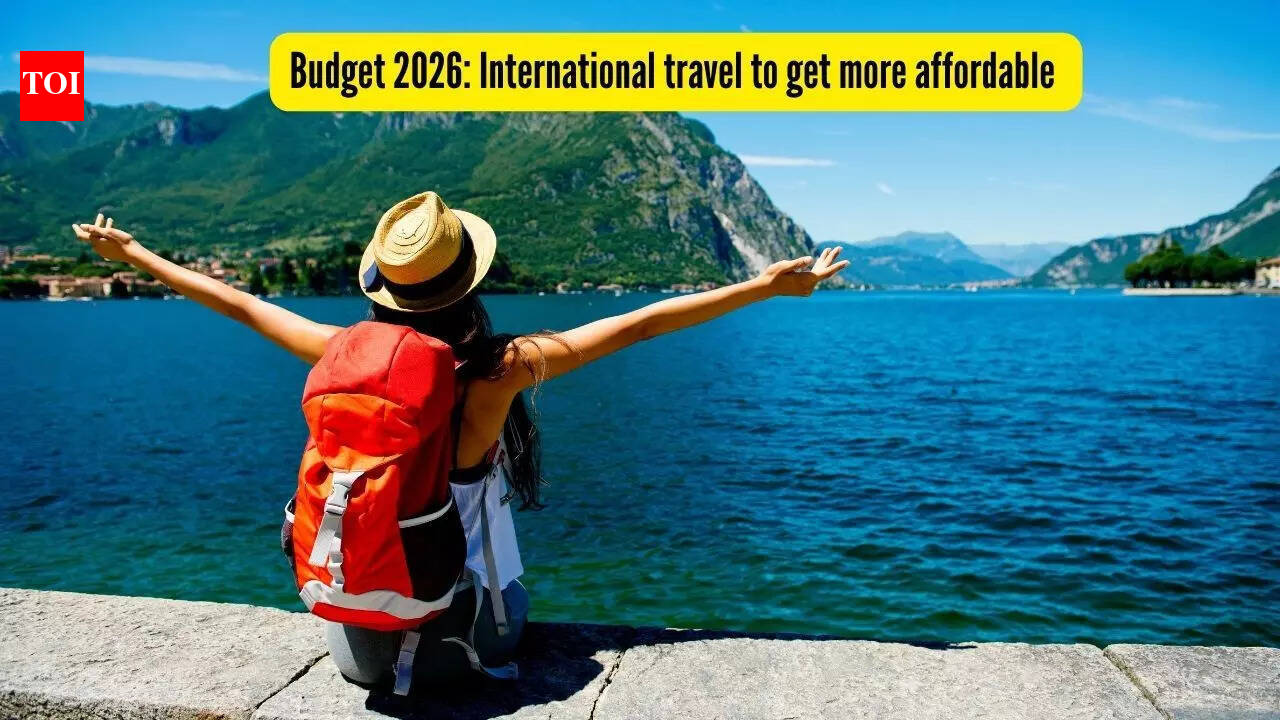
Union Budget 2026–27: International travel set to get more affordable and easier; know what changes this year |


Union Budget 2026–27: International travel set to get more affordable and easier; know what changes this year

Today, the 2026–27 Union Budget was presented in the Parliament by the Finance Minister Nirmala Sitharaman. It’s a budget that loves travellers as at the heart of the Budget’s travel appeal is a sharp reduction of the Tax Collected at Source (TCS) on overseas tour packages. Yes, this time, the Budget didn’t just target economic growth; it also also signalled towards making dreams of international travels cheaper and more achievable. Let’s have a closer look at it:Cheaper international vacations through TCS rationalisationEarlier, Indian travellers wanting to book international tours faced a TCS structure: 5% on tour packages up to ₹10 lakh and 20% on amounts above ₹10 lakh. But as per the new Budget, the finance minister proposed a uniform TCS rate of 2% on the sale of overseas packages. This flat-rate reduction means that travellers will pay significantly less tax at the time of booking.

Budget 2026 Overview: What Citizens And Businesses Should Know

It’s a welcoming move for travellers and industry leaders too. “The sharp reduction in TCS on overseas travel is an immediate demand stimulant for the sector and improves cash flows for both consumers and operators. More importantly, it signals the government’s intent to reduce friction in legitimate travel spending and support the formal travel economy,” said Kunal Gala, Partner in Deal Value Creation Services at BDO India. Affordability meets technology

Travel

Canva

Beyond tax cuts, the Budget also emphasises on technology-led governance in the travel sector. Hari Ganapathy, Co-Founder of Pickyourtrail, pointed out how these structural changes extend beyond the numbers: “From an outbound travel perspective, the emphasis on technology-led governance and the reduction in TCS on overseas tour packages meaningfully improve affordability, transparency, and ease of travel for Indian consumers.Industry ReactionAs per a joint statement by Aloke Bajpai, Group CEO, and Rajnish Kumar, Group Co-CEO of ixigo, “This year’s budget has also taken steps to make international travel, both outbound and inbound, more accessible and affordable for Indian travellers. The proposal to reduce the TCS rate on overseas tour packages to a flat 2% … is a welcome move for making outbound tourism more amenable.”

Travel

Canva

Beyond making travel cheaper, the Budget sends a clear message that tourism is a strategic economic sector. Aviral Gupta, CEO of Zostel & Zo World, noted, “The Budget’s reduction of the tax on overseas tour programme packages from 5% to 2% is a positive step that simplifies outbound travel and reflects the growing scale of global tourism activity. The focus on experience quality — through the training of 10,000 certified tourist guides, investments in hospitality education, and the development of 15 archaeological and cultural sites into experiential destinations — marks a clear shift towards value-led tourism.Impact on local economiesFor the hospitality sector, the Budget’s travel-friendly measures are expected to generate meaningful demand. Ayu Tripathi, Director of Aahana Resort, commented on how these changes might play out for service providers: though she was not quoted directly here, industry response generally underscores optimism that lower TCS, improved airport processes and hospitality training will enhance guest experiences — both for outbound and inbound travellers.Future of travel looking bright

Travel

Canva

India’s outbound travel market has grown rapidly in the last 10 years. There are over 10 million Indians who travel abroad every year for several purposes. The Budget’s measures, particularly the uniform 2% TCS, could strengthen this trend by lowering barriers to entry and making international travel more affordable for first-time and frequent travellers alike.


Source link

“That night, I wasn’t scared, because I’m disabled. I was scared because…” 26-year old’s story of strength that raises serious questions


"That night, I wasn’t scared, because I’m disabled. I was scared because..." 26-year old's story of strength that raises serious questions

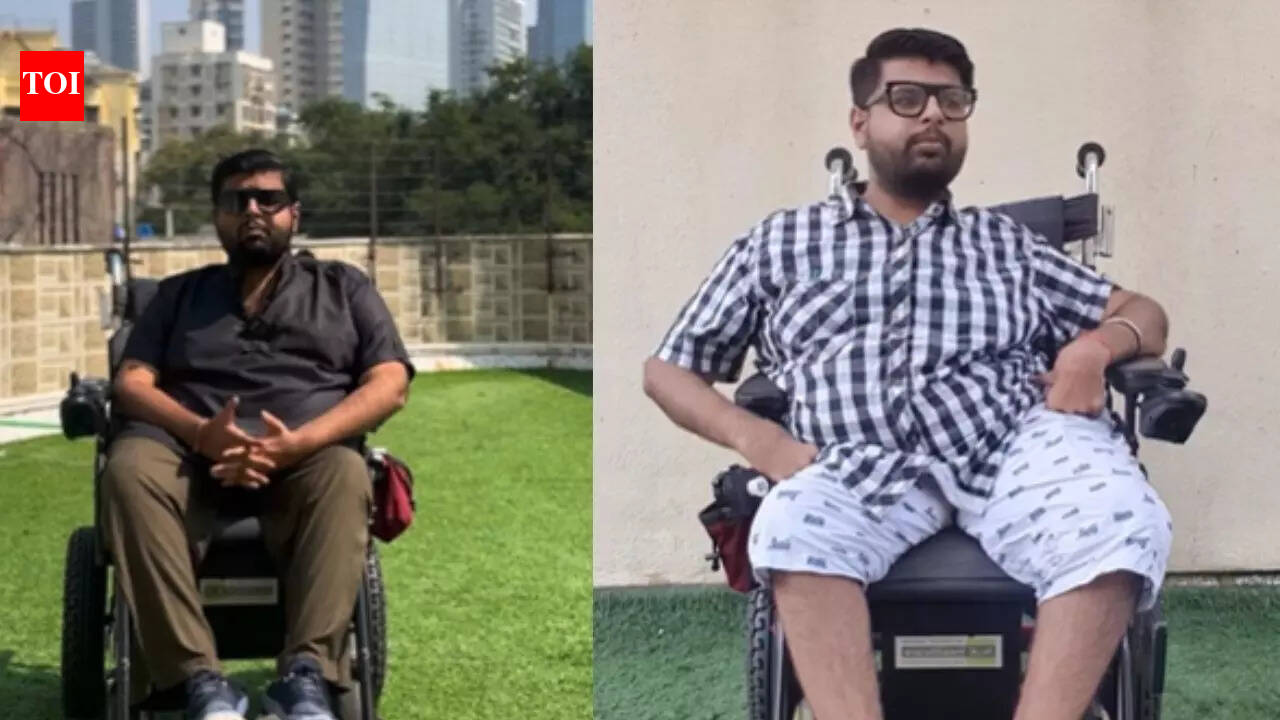
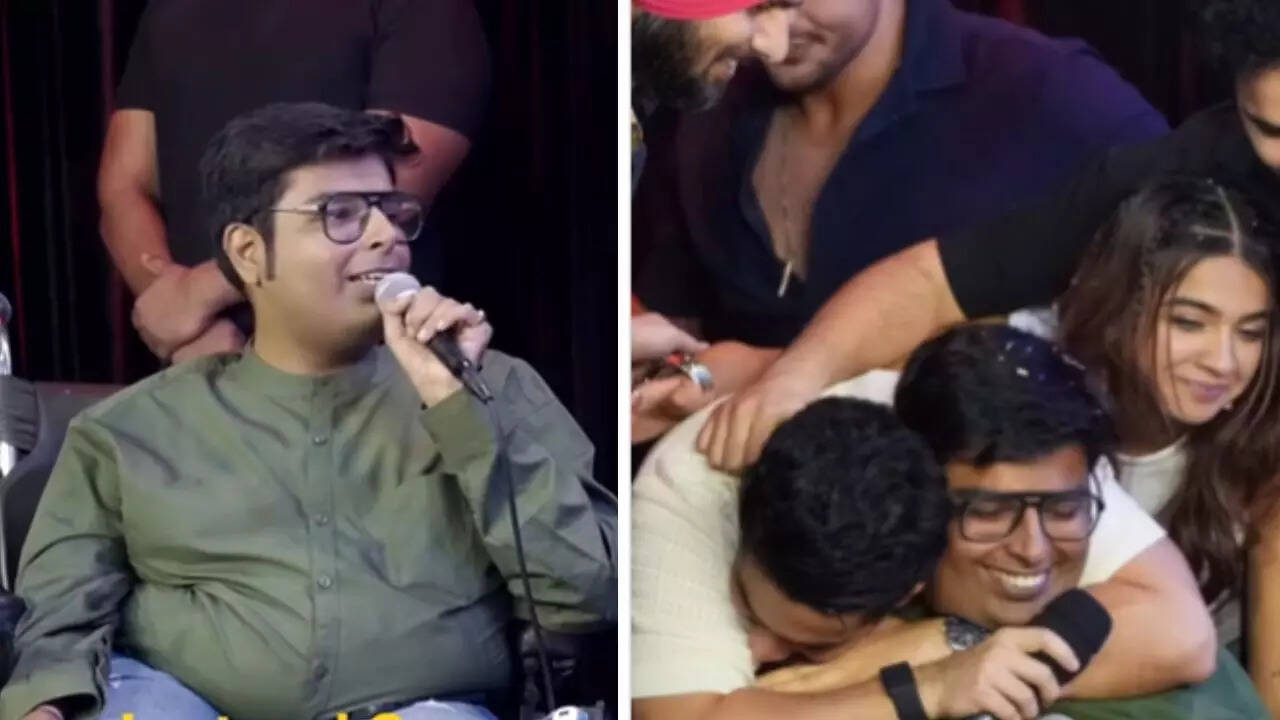
It is not easy being Karan Shah, but it is certainly worth being him. He seems to live by the famous quote, “He who laughs at himself never runs out of things to laugh at.”Karan Sunil Shah is in his early twenties and has an infectious sense of humour. He lives with Type III Spinal Muscular Atrophy (SMA), a genetic condition that affects the motor nerves responsible for voluntary muscle movement. His elder brother, who also had SMA, passed away due to cardiac arrest at the age of 14. One can only imagine the trauma Karan and his parents endured. Yet, Karan chose laughter over despair.Karan shares moments of humour and resilience in his instagram posts. Hi Instagram page rollyrollyshah describes him as Comedian, Canine & Feline Behaviourist and a Bharat Prerna Awardee. He once said that when he visited his therapist to sort through his emotions, the therapist advised him to deal with problems step by step-and laughed. As a child, Karan wanted to be a fashion model. Today, when his wheelchair is pushed up a ramp, he laughs and says, “God gave me a permanent ramp.Recently, one of Karan’s videos went viral, drawing attention to a harsh reality—how poorly people with disabilities are treated in many parts of the country. One day, while returning from work, Karan found that the lift at the Worli metro station was not working. Unfortunately, Worli is one of the few metro stations equipped with a functioning lift, according to Karan and on that fateful day, it was out of order. There was no way for him to access the metro without a wheelchair-accessible lift.

Image: Karan Shah's Instagram account

When he tried to seek help from the authorities, he was met with apathy. Karan waited for 45 minutes, repeatedly calling the emergency helpline. When someone finally responded, he was shockingly asked to “go on foot.” On foot? How does one expect a man in a wheelchair to travel from Worli to Dadar? He turned his camera towards the traffic, showing the busy roads—dangerous even for pedestrians, let alone someone navigating them in a wheelchair.“That night, I wasn’t scared because I’m disabled. I was scared because the system failed me at every step. Lifts, helplines, roads, washrooms-everything made me feel disabled. Living in the current century shouldn’t feel this unsafe. Accessibility is not luxury infrastructure. It’s basic human dignity,” he said.With no other option, Karan wheeled himself from Worli to Dadar on a dangerous road filled with traffic. Along the way, he desperately needed to use a washroom, but not a single one was wheelchair-friendly.“While growing up, I enrolled in Shiamak Davar’s dance classes for children with special needs and cancer. Once, Shiamak came home to meet me and told me I needed an angel in my life. Soon after, he gifted me a female Labrador puppy named Angel. Being a dog lover, I was thrilled,” Karan said in .Determined to train Angel himself, Karan not just managed to train her but also went on to became a certified dog behaviourist. .


Source link