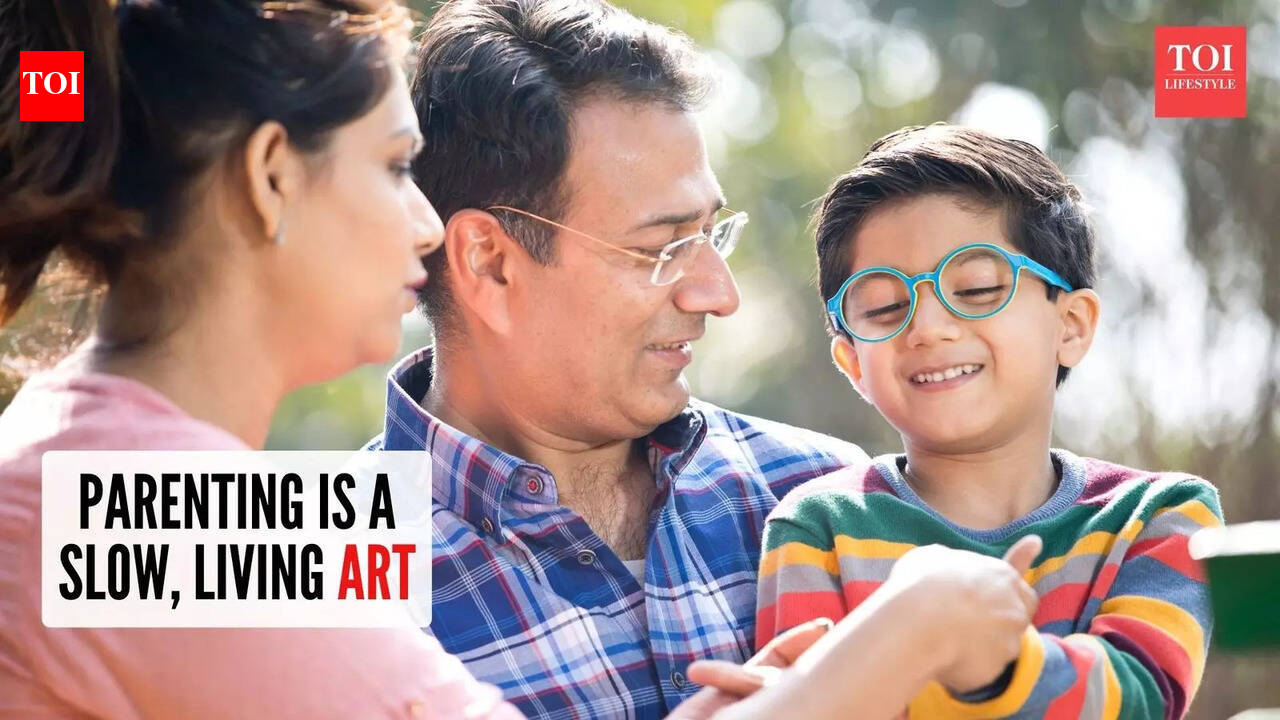
Parenting quote of the day: “Raising a child is like planting a seed and watching it grow into a beautiful flower.” – Lisa Wingate |


Parenting quote of the day: "Raising a child is like planting a seed and watching it grow into a beautiful flower." - Lisa Wingate
Raising a child resembles tending to a delicate plant, highlighting the importance of unwavering patience and daily nurturing rather than hastily chasing achievements. A loving household acts like nutrient-rich soil, cultivating trust and self-assurance. Just as pruning shapes a plant’s growth, proper discipline fosters development without instilling fear.

“Raising a child is like planting a seed and watching it grow into a beautiful flower,” says Lisa Wingate. This quote carries a strong truth. Parenting is not about quick results. It is about daily care, patience, and faith in the process. Just like a seed, a child grows quietly, often out of sight. The real work happens below the surface, long before anything shows.

Growth cannot be rushed

A seed does not grow faster because someone checks it every day. Children work the same way. Learning, emotional strength, and values take time. When parents rush milestones, children feel pressure instead of support. The quote reminds families to respect the natural pace. A child who learns slowly is not falling behind. That child is growing in their own rhythm, which often leads to deeper understanding later.

The soil matters more than the seed

Most seeds can bloom if the soil is right. In parenting, the “soil” is the home environment. Strict restrictions do not mould a child as much as having calm interactions, feeling safe, and being heard every day. Children develop a foundation of trust when their mistakes are handled with direction rather than fear. That trust later turns into confidence and honesty.

Daily care beats occasional perfection

Flowers do not require great gestures. They require regular water and sunlight. Little activities like reading aloud together, sharing meals, and listening after school have a significant impact. Even though these events appear ordinary, they build emotional strength over time. Consistency is more important than doing everything perfectly on occasion.Every flower blooms differentlyNo two flowers look the same, even from the same garden. Children develop differently as well. Self-worth can be harmed by comparing peers or siblings. Children learn to appreciate themselves when their parents emphasize effort over results. This enables people to explore their true selves and take calculated risks.

Pruning is not punishment

Gardeners prune plants so they grow better, not to hurt them. Discipline works the same way. Discipline that explains “why” instead of only saying “no” teaches responsibility. When correction comes with care, children learn self-control instead of fear.Trust the process, even when growth is invisibleThere are phases when nothing seems to change. Children may test limits or pull away. Growth happens silently. The quote reminds parents to keep showing up, even when results are not clear. One day, the bloom appears, shaped by years of effort.Disclaimer: This article is meant for general awareness and reflection. Parenting experiences differ for every family and child. The content does not replace professional advice from child development or mental health experts.


Source link

10 powerful baby names that mean ‘shining like the sun’


The sun stands for warmth, strength, and new beginnings. Across Indian cultures, it also symbolises clarity and inner power. Many parents look for baby names inspired by the sun, but without falling into overused or predictable choices. Below is a carefully curated list of 10 modern, Indian-rooted baby names that reflect the idea of shining like the sun. Each name feels fresh, meaningful, and quietly powerful, making it easy to cherish for life.


Source link

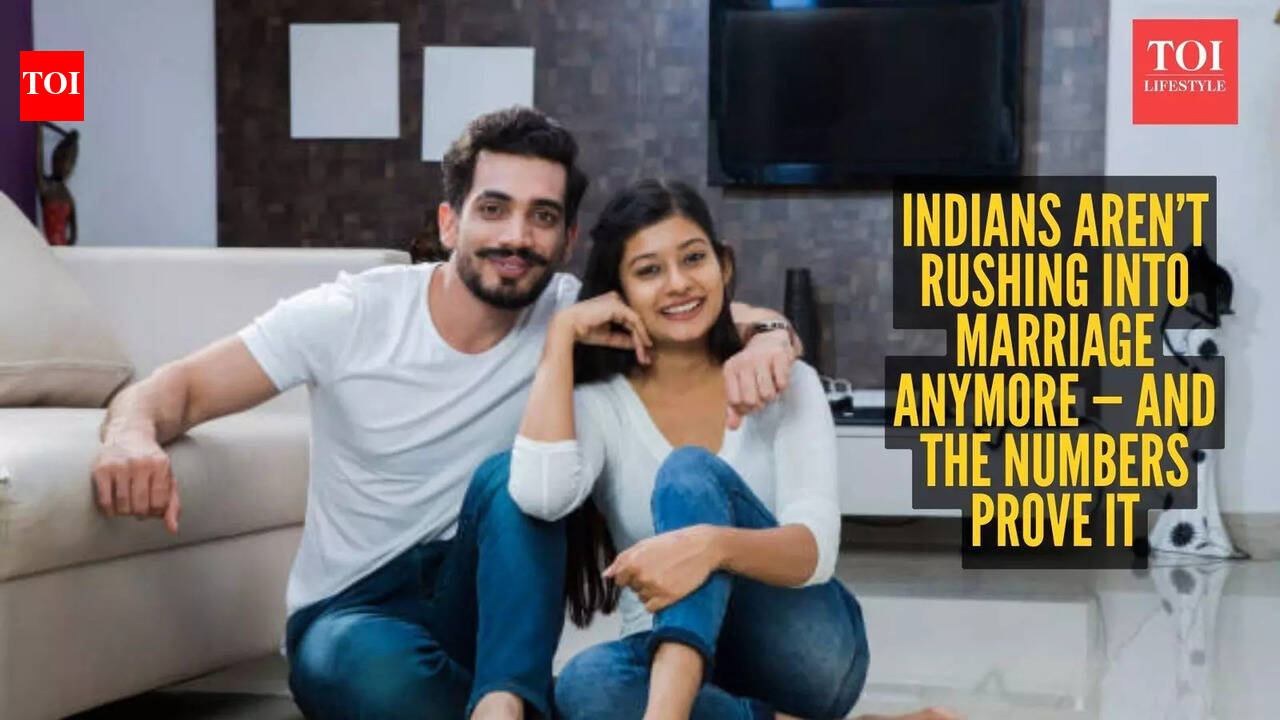
Not settling anymore! Why young Indians are taking longer to say “rishta pakka” |


Not settling anymore! Why young Indians are taking longer to say “rishta pakka”
Modern relationships in India are shifting from rushed decisions to conscious choices, with singles prioritizing emotional compatibility and long-term alignment over mere timing. People are investing more time and engaging with more potential partners, seeking ‘actually right’ matches rather than settling for ‘good enough,’ leading to deeper, more intentional commitments.

For years, finding a partner in India came wrapped in a quiet deadline. There was always a sense of figure it out soon. Conversations moved fast, families moved faster, and decisions often came from timing rather than true compatibility.That pace has changed.Today, people aren’t rushing toward marriage – they’re walking toward it carefully. Not out of fear, but out of awareness. The goal isn’t just to get married anymore. The goal is to get it right.And interestingly, data now confirms what many singles already feel: partner search has become less urgent and far more intentional.

Why Traditional Marriages Are Being Replaced By New Love Models

From “good enough” to “actually right”

Modern singles are no longer treating relationships like a checklist – job, family, background, done. Instead, they’re asking deeper questions:

  • Do we communicate well?
  • Are our emotional needs compatible?
  • Do we want similar lifestyles?
  • Will this feel peaceful five years from now?

People are taking time to talk, disagree, understand and observe patterns before committing. Attraction still matters, but emotional safety matters more.

ds (30)

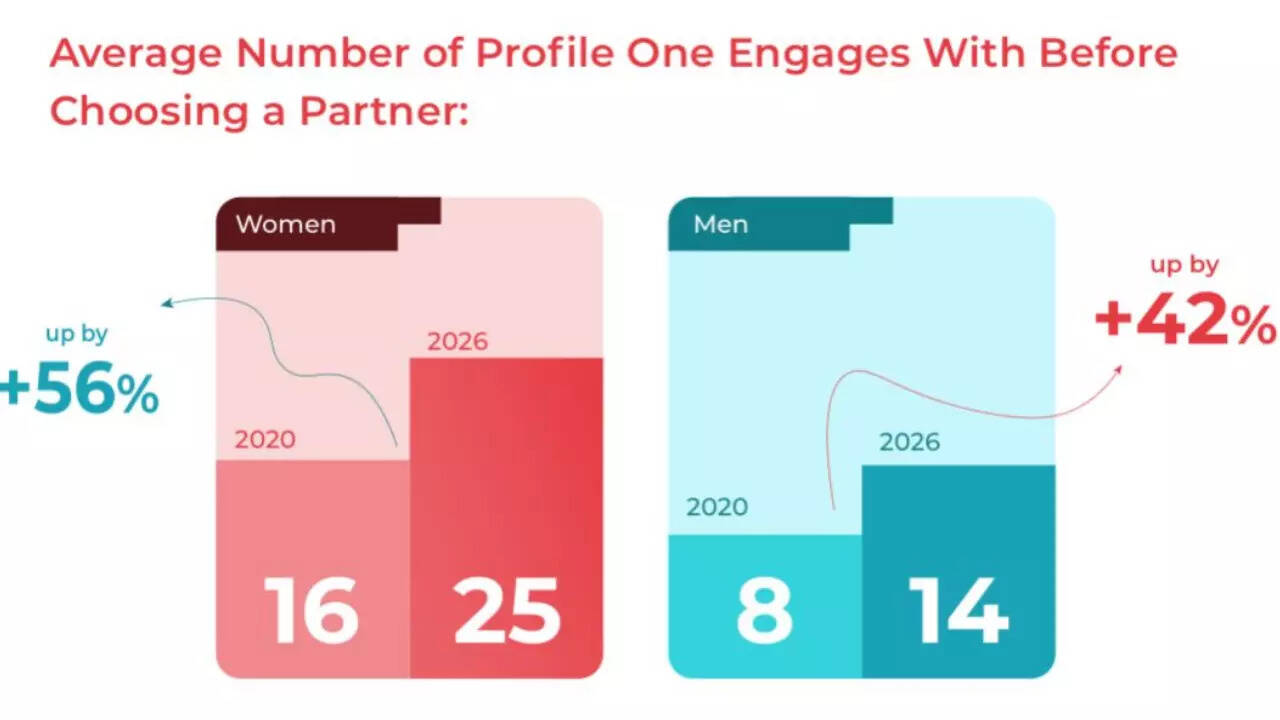
According to Shaadi.coms Trending 2026 Report, users now interact with far more potential matches before choosing a partner.

Average profiles engaged before commitment

Women

  • 2020: 16 profiles
  • 2026: 25 profiles (+56%)

Men

  • 2020: 8 profiles
  • 2026: 14 profiles (+42%)

That’s a big shift. People aren’t browsing casually – they’re evaluating thoughtfully.

Time is the new emotional investment

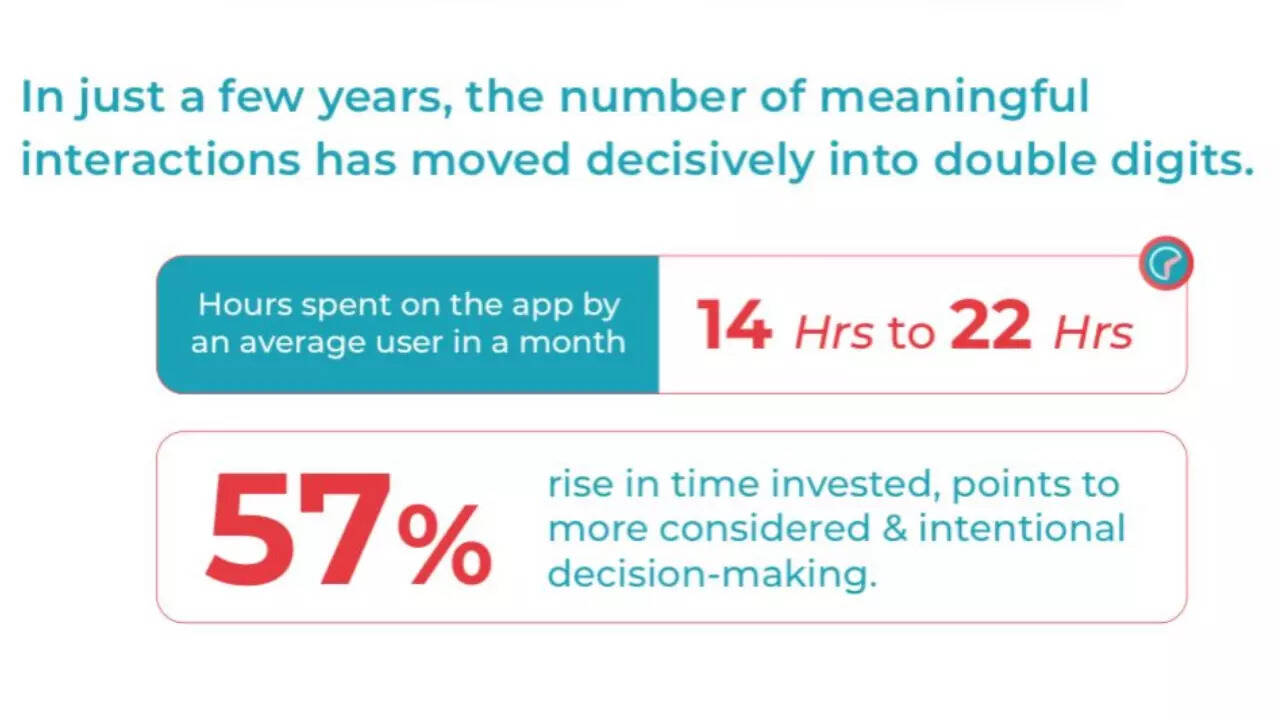
The biggest change isn’t just how many people you talk to.It’s how much attention you give the process.

ds (31)

Average monthly time spent on matchmaking platforms has gone from 14 hours to 22 hours – a 57% increase.That doesn’t mean people are confused.It means they’re careful.Founder and CEO Anupam Mittal explains it perfectly:

“Marriage is becoming more deliberate than ever before, driven by clarity, alignment, and conscious choice. Users are engaging with significantly more profiles and spending more time before choosing a partner.”

In simple terms: commitment hasn’t lost value – impulsiveness has.

The rise of emotional compatibility

Earlier, compatibility often meant similarity.Today, it means understanding.People want partners who:

  • respect boundaries
  • handle conflict calmly
  • communicate openly
  • support individuality

It’s less about fitting into someone’s life and more about building a shared emotional space.Interestingly, smaller cities are leading this shift. Tier-2 India is showing clearer expectations and stronger filters. Women especially are initiating conversations more confidently than ever before, a quiet but powerful social change.

Why this shift is happening

A few things have changed how people view relationships:1. Emotional awareness is higherPeople recognise unhealthy patterns earlier and don’t want to repeat them.2. Independence came before partnershipCareers, friendships and personal identity now exist before marriage – not after.

Tame your language no matter what

My grandmother passed away early due to health issues but I was told by my grandfather that they had a beautiful relationship. He told me that whenever I get married or find that person I want to be with, no matter how angry I get, never have screaming fights with her or else a divorce or breakup will be the next step or happen soon. He told me that people often cross all boundaries and have yelling matches which makes both parties lose respect for the other and eventually there is nothing left between them.

3. Peace beats pressureA delayed marriage feels safer than a mismatched one.4. Compatibility predicts stabilityPeople have seen enough unhappy marriages to know chemistry alone isn’t enough.

Choosing, not settling

The biggest difference between then and now?Earlier the question was: Will this work?Now the question is: Will this feel right long-term?People are okay walking away from “almost perfect.”They are okay waiting through awkward conversations.They are okay staying single longer.Because settling quickly costs more than waiting patiently.

The new definition of commitment

Intentional relationships don’t reduce romance – they deepen it.When two people choose each other after understanding fears, habits, flaws and expectations, commitment stops being a gamble. It becomes a decision.

A recent survey reveals that modern Indian youth are becoming more selective when it comes to relationships, with career goals and personal values taking priority.

A recent survey reveals that modern Indian youth are becoming more selective when it comes to relationships, with career goals and personal values taking priority.

And that’s what modern dating is quietly moving toward:not urgency, not pressure – but clarity.Intentional matchmaking isn’t a trend anymore.It’s how relationships are being built now.


Source link

Sesame laddoo for hair growth: Everyone on Instagram is eating til ke laddoo – but do they actually work? |


Sesame laddoo for hair growth: Everyone on Instagram is eating til ke laddoo - but do they actually work?
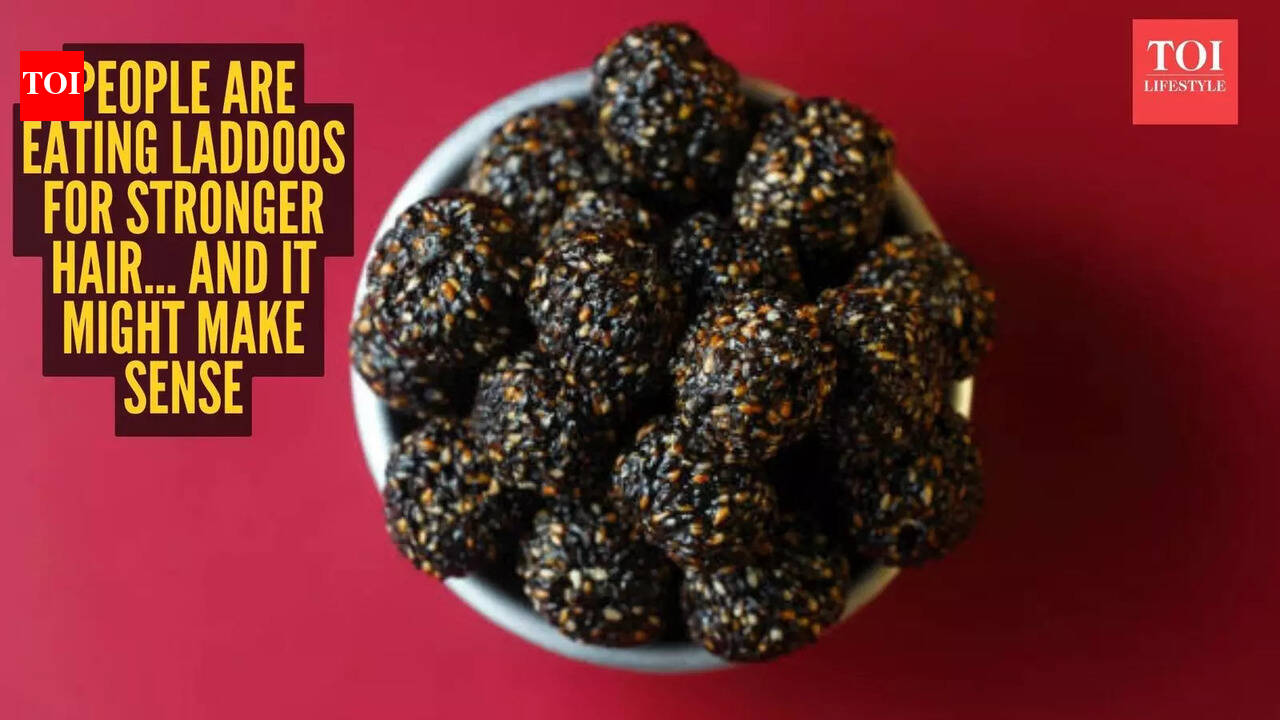
Instagram is buzzing about til ke laddoo for hair growth. These traditional sweets, made with sesame seeds and jaggery, offer essential nutrients like zinc and iron. They help strengthen hair roots and reduce shedding by fixing nutritional gaps. While not a cure for all hair loss, these laddoos provide nourishment that supports healthier hair. Consistency is key for noticeable improvements.

Scroll Instagram reels for five minutes and you’ll notice a sudden obsession: people rolling tiny brown laddoos in their palms and claiming “hair fall band ho gaya” in a few weeks.From dermatologists-inspired creators to nani-approved wellness pages, everyone seems to have a version of the same idea — eat sesame daily and your hair will thank you. Recipes differ slightly, but the promise stays the same: stronger roots, less breakage and baby hair growth.

How to know if your hair fall is normal?

So is this just another viral food trend… or is there real science behind it?

istockphoto-1219391300-612x612

Let’s break it down like a normal person would – no miracle claims, no blind dismissal.

Why sesame seeds suddenly became a haircare star

Sesame (til) has always been part of Indian winters. We ate it for warmth, energy and bones – not Instagram aesthetics. What social media did was connect a traditional ingredient to a modern concern: chronic hair fall.Here’s why sesame makes sense nutritionally:1. ZincHair follicles need zinc to repair themselves. Low zinc levels are directly linked to shedding.2. IronMany people losing hair unknowingly have borderline iron deficiency. Sesame + jaggery is basically a natural iron combo.3. Healthy fatsYour scalp is skin. Without fats, it becomes dry, inflamed and weak – meaning fragile roots.4. Calcium & magnesiumThey indirectly help by improving blood circulation and reducing stress response in the body.In short: sesame doesn’t magically grow hair overnight – it fixes nutritional gaps that quietly cause hair fall.

The viral recipe most people are sharing

This is the one you’ve probably seen everywhere:Simple hair growth til laddooIngredientsBlack sesame seeds – 100 gFlax seeds – 100 gJaggery – as per tasteGhee – 1 tbsp (optional)Roasted makhana – handfulMethodRoast sesame seeds and flax seeds separately till aromatic.Grind them coarsely with jaggery.Add ghee and crushed roasted makhana.Shape into small laddoos.People prefer this version because flax adds omega-3 fats – helpful for scalp inflammation.

The classic dadi-style recipe

This one is closer to traditional winter laddoos and slightly richer.Traditional til laddooIngredientsSesame seedsJaggeryCashew nutsGreen cardamom powderGheeMethodDry roast sesame seeds on low flame for ~8 minutes.Melt jaggery with ghee slowly till sticky.Add sesame, cashew and cardamom powder.Mix well and cook briefly.Cool slightly and roll into laddoos.Store in an airtight jar.This recipe is popular because it’s easier to digest and more energy-dense – useful if hair fall is linked to weakness or fatigue.

Other variations people are trying

Once a food trend starts, Indians innovate instantly:Protein version: add almonds & peanutsPCOS version: add pumpkin seeds & sunflower seedsLow-sugar version: use dates instead of jaggeryGut-friendly version: add dry ginger powderThe goal stays the same – nourish from inside instead of applying 12 oils outside.So… will they actually stop hair fall?Here’s the honest answer:They help – but only if your hair fall is nutritional or stress-related.They won’t fix:genetic baldnessthyroid disorders alonesevere hormonal imbalancesBut they can improve:seasonal sheddingbrittle hairslow growthbreakagepostpartum recoveryWhy? Because hair is a “non-essential tissue.”Your body feeds vital organs first. When nutrients are low, hair is the first thing sacrificed.Til laddoos simply refill the tank.

What changes people usually notice

Not dramatic Bollywood transformation – subtle improvements:Week 2–3: less hair on pillowWeek 4–6: softer textureWeek 6–10: baby hair near hairlineConsistency matters more than quantity. Two small laddoos daily works better than six for three days.

Health benefits beyond hair

Interestingly, hair growth is just a side effect.Sesame laddoos also support:Skin elasticity (natural oils)Digestion (high fibre)Dental health (oil content reduces plaque bacteria)Energy levels (iron + minerals in jaggery)Blood pressure balanceBone strength (calcium & zinc)Which explains why older generations ate them seasonally – they were winter multivitamins before capsules existed.

The mistake most people make

They expect laddoos to act like a treatment instead of nutrition.If you:sleep at 2 AMeat one proper meallive on caffeinestay stressedNo seed in the world can rescue your hair.Think of til laddoos as support, not magic.

How much should you eat?

Ideal amount: 1–2 small laddoos dailyBest time:Morning empty stomach, orMid-evening snackAvoid overeating – they’re nutrient dense but calorie rich.The real reason the trend went viralBecause for once, the solution is simple.Not a ₹3,000 serum.Not a 10-step routine.Not a scary diagnosis.Just consistent nourishment.People aren’t shocked that sesame works – they’re shocked that something this basic was ignored while shelves filled with complicated products.Til ke laddoo won’t regrow a receding hairline overnight.But they can absolutely strengthen roots, reduce shedding and improve hair quality if your body needed nourishment.Which, honestly, most modern lifestyles do.So the reels aren’t entirely exaggerating – they’re just simplifying an old truth:Healthy hair often starts in the kitchen, not the bathroom shelf.And sometimes, grandma’s winter snack quietly beats modern haircare.


Source link

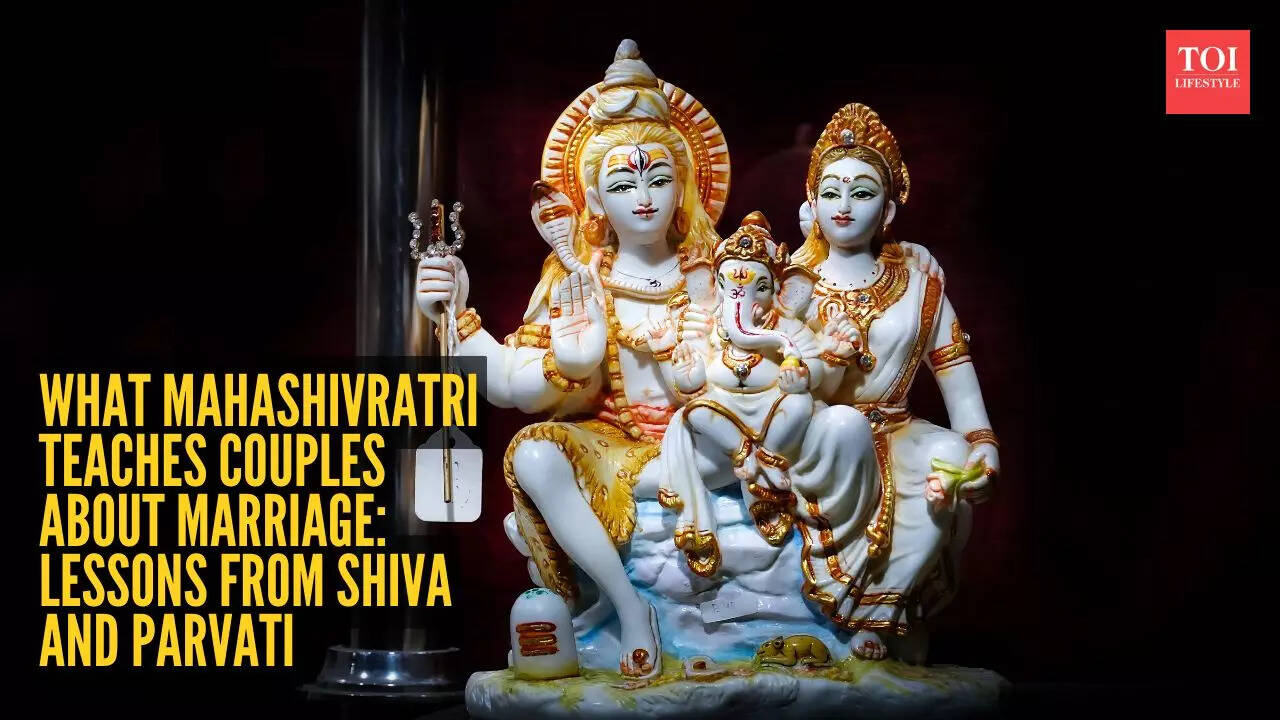
5 powerful marriage lessons modern couples can learn from Shiva and Parvati


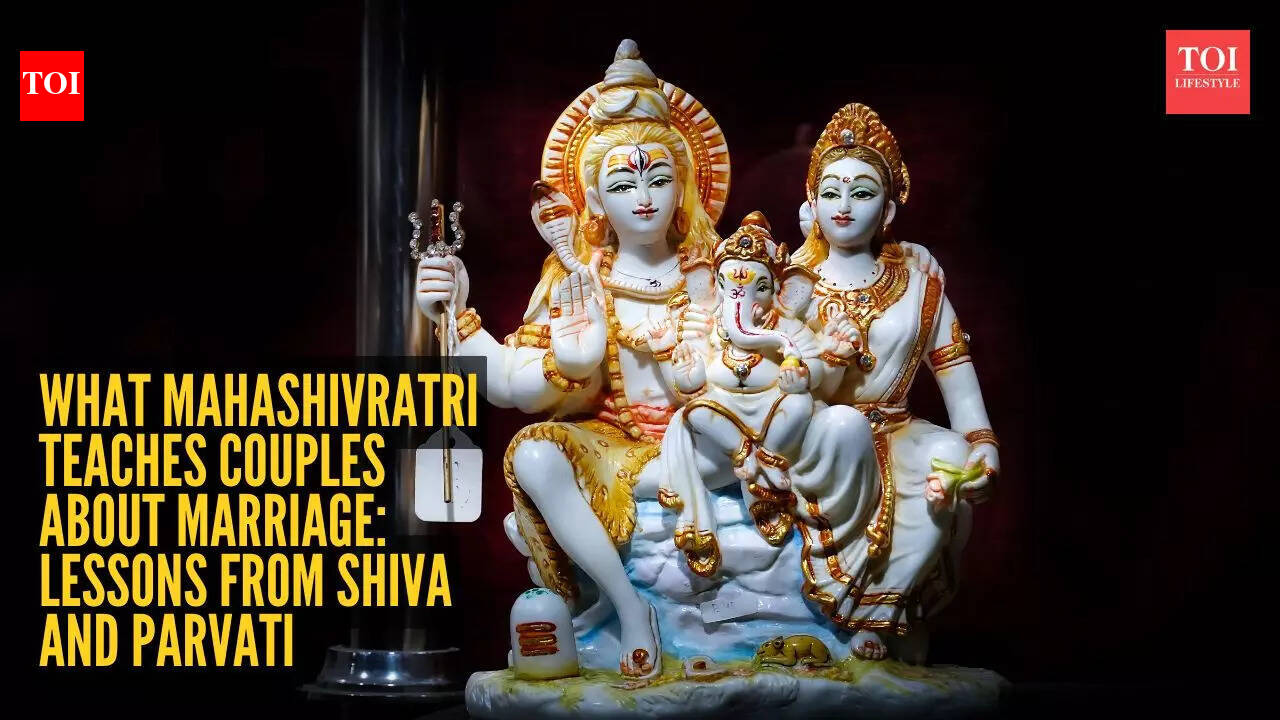
Ardhanarishvara – half Shiva, half Parvati – symbolises perfect harmony: male strength meets female nurture, logic dances with emotion. No hierarchy, just interdependence.

But today’s marriages falter on imbalances. While one partner dominates finances, the other dominates in emotions. But equality in marriages/relationships means shared decisions, acknowledged labour, and growing together as a couple.

Psychologically, equitable partnerships report higher satisfaction. Shiva didn’t rule Parvati; they amplified each other. Modern couples can learn from them that marriage isn’t a conquest. Instead, it is a dance where both partners lead and follow, creating unbreakable bond.


Source link

“This is my third year celebrating and I can’t wait to do it again next year”: A foreigner’s account of experiencing Mahashivaratri in Mauritius


"This is my third year celebrating and I can’t wait to do it again next year”: A foreigner's account of experiencing Mahashivaratri in Mauritius

Mahashivaratri is one of those Hindu festivals that is celebrated not only in Indian sub-continents but across the globe. One such country that celebrates the glory of Shiva is the island nation of Mauritius. Surprised, right? For many travellers, Mauritius is synonymous with untouched beaches, honeymoon vibes, and Creole culture. But this heartfelt video on Instagram shared by Ilona Aubert will change your view of Mauritius in seconds. The island reveals a spiritual side of the island nation where Mahashivaratri is being celebrated as the Great Night of Lord Shiva. In her social media post, IIona calls Mahashivaratri as her favourite time of the year and how she has been a part of the festivities from the past three years. She speaks of walking modestly, compared to pilgrims who walk for days. And how she holds deep respect for their devotion. Her words captured a feeling many visitors and locals alike experience during this sacred period.Describing her love for the festival, she says, “Come celebrate Mahashivaratri in Mauritius with me. This is my third time doing it and I love it more each time. The energy was incredible, I was so happy. This was the first time I didn’t go all the way to the Grand Bassin itself. Instead we walked from Vacoas to Plaine Sophie and spent the day helping at the stand doing human service. Everyone was so kind and so welcoming and I felt like I was a part of the family and the community.Mahashivaratri: The soul of Hindu Mauritius For those who don’t know, Mauritius is home to one of the largest Hindu populations outside India, and Mahashivaratri is among the most significant religious events on the island. It is celebrated in honour of Lord Shiva and Goddess Parvati. As per mythology, this is the day when Shiva and Parvati got married. It’s a day of devotion, celebration and serving humanity.In the video, IIona also talks about the community service which she loves the most about the Maha Shivaratri celebration in Mauritius. “Everyone was so kind and so welcoming and I felt like I was a part of the family and the community. And honestly this is where I feel most aligned. I met so many amazing people and I am really grateful that I could contribute through service. What I love the most about Maha Shivaratri beyond the religious and cultural aspects is the community service. Everyone helps each other in their own way. From money, service, walking, everyone contributes what they can”, she says.The Ganga Talao in MauritiusThe celebration here is centered around the Grand Bassin lake, also known as Ganga Talao by locals. As per belief, the lake is spiritually connected to the River Ganga in India. In the days leading up to Mahashivaratri, hundreds of pilgrims walk from their homes to Grand Bassin, carrying kanwars. A spiritual journeyWhat sets Mahashivaratri in Mauritius apart is the scale. Devotees walking the roads, covering long distances over several days. It’s a divine spectacle, coastal roads filled with Hindu pilgrims chanting prayers, sharing food, supporting humanity and doing charity services. For a foreign traveller, witnessing such an event is a deeply moving experience. Grand Bassin turns into a sea of devotees’ devotion. Oil lamps flickering along the pathways, processions carrying idols of Ganesha, Kali, Parvati and more, people dancing and chanting mantra, is a frenzy so rare. The Mauritian air carrying the fragrance of incense and flowers is a different experience. Many observe fasts on the day, spending the night in prayer and meditation.A different Mauritian experience Experiencing Mahashivaratri in Mauritius shows the country’s diversity. A place where Indians and Africans coexist harmoniously, bound together by mutual respect. The whole point is practicing spiritually and submerging yourself in Shiva’s devotion. As many who experience it say, including voices like Ilona, it is a time when the island feels aligned.“This is how the entire country shows up for each other and this is how the community works so beautifully. At the end of the day, we started walking back to Vacoas as the sun went down, the energy shifted and the nightlife was so different. You could see the beautiful Mauritian flags everywhere and what I love is how patriotic and how proud everyone is, we are one nation walking together. This is my third year celebrating and I can’t wait to do it again next year,” and she signs off. Until next year.


Source link

5 interior design trends transforming modern Indian homes


Lighting is no longer purely functional; sculptural lamps, pendant clusters, and designer chandeliers are being used to define ambience and visual hierarchy within rooms. Thoughtfully planned lighting enhances textures, highlights décor, and shapes emotional atmosphere, making it a central element in contemporary Indian interior styling.

Interior design in modern Indian homes is moving toward a balanced blend of sustainability, cultural identity, efficient space usage, and expressive aesthetics. From eco-friendly materials and smart layouts to artisanal décor and dramatic lighting, these trends reveal a deeper focus on comfort and individuality rather than uniform luxury. As lifestyles continue to evolve, Indian interiors are becoming more personal, practical, and emotionally engaging living environments.

Image Credit: Canva


Source link

₹5.5 lakh red saree and a corset twist: Disha Patani just rewrote desi glam rules


₹5.5 lakh red saree and a corset twist: Disha Patani just rewrote desi glam rules
Disha Patani made a striking appearance in a fiery red Tarun Tahiliani saree, blending tradition with modern runway drama. The outfit featured a fitted corset top and a flowing pallu, creating a bold yet recognizably Indian look. Minimal styling and statement jewellery complemented the Kanjivaram-inspired concept sari, making it a memorable fashion moment.

Bollywood red carpets give us glam almost every week, so it actually takes effort to make people pause mid-scroll. This time, that job was done by Disha Patani. She stepped out in a fiery red sari that clearly wasn’t playing by the usual rules. Created by Tarun Tahiliani, the outfit felt like tradition and runway drama had a very stylish meeting.Instead of the classic blouse-and-pallu situation, the saree came with a fitted corset top that shaped her silhouette sharply – almost like something straight off a couture show. But the drape still moved softly, so it didn’t lose that familiar saree grace. The colour helped too. This wasn’t romantic red; it was confident red. The kind that walks into a room before you do.She posted pictures on Instagram with Aashiqon Ki Colony playing in the background, and, as expected, the comments section exploded. People loved that it looked modern without trying to erase the desi feel – bold, but still recognisably Indian. The outfit had Tahiliani’s signature touch: taking something rooted in heritage and reshaping it for today. The corset gave structure and posture, while the flowing pallu kept things easy and elegant. It didn’t look costume-y or stiff, more like regal meets red carpet.She wisely kept the styling minimal. A sleek braid, clean makeup, and jewellery from Kalyan Jewellers – just statement gold earrings and a delicate necklace. Enough sparkle to finish the look, not enough to fight with it.The Kanjivaram-inspired concept saree reportedly costs about ₹5.58 lakh, which puts it firmly in fantasy wardrobe territory. But honestly, this look wasn’t meant for practicality anyway. It was fashion theatre, and it knew it.On the film side, she’s currently promoting O’Romeo, directed by Vishal Bhardwaj and co-starring Shahid Kapoor. With the songs already floating around online and appearances like this grabbing attention, both the movie and her wardrobe are staying in conversation.If there’s one thing consistent about Disha, it’s this, she rarely chooses the safe option. And that unpredictability is exactly what keeps people interested.


Source link

Emotional connections to game characters may play a role in how people think about starting a family, study finds


Emotional connections to game characters may play a role in how people think about starting a family, study finds
Recent studies indicate an intriguing correlation between the emotional attachments formed with video game characters and reduced desires for parenthood among young adults. These immersive gaming experiences can create profound parasocial relationships, potentially meeting emotional needs that might ordinarily drive family planning.

Low birth rates are no longer a private choice. They have become a social concern across many countries. In China, surveys show that fertility intentions among adults aged 18 to 35 remain low. Researchers now suggest that digital life may shape this shift. A recent study explored a link: emotional attachment to game characters and how people think about starting a family. Here is everything we need to know about what the research found and why it matters for parents and the next generation.

A world where virtual bonds feel real

Researchers collected questionnaire data from 612 game players and examined their responses using statistical modelling. The study drew on two key ideas: parasocial relationship theory and attachment theory. In simple terms, parasocial relationships describe one-sided emotional bonds people form with media figures. Attachment theory explains how emotional bonds shape human behaviour and decisions.The study tested whether deep involvement in games could shape thoughts about parenthood.

Emotional pathways, not logical ones

The results were clear but nuanced.Game concentration, or how immersed someone feels while playing, increased three things:

  1. Identification friendship: feeling close to a character.
  2. Parasocial cognition: thinking about the character as if they are real.
  3. Parasocial emotions: experiencing genuine feelings toward the character.

However, game immersion did not directly increase fertility desire.Instead, emotional attachment acted as a bridge. When players felt strong emotions toward characters, those feelings kind of indirectly influenced how they thought about having children. The cognitive route, meaning purely thinking about characters, did not show strong effects.In short, feelings mattered more than thoughts.

The “emotional compensation” idea

The researchers proposed what they call an “Emotional Compensation Hypothesis.”Young adults today face heavy pressure: career uncertainty, high living costs, and social expectations. Many also develop a strong “risk consciousness,” meaning they are highly aware of possible failures and burdens.Virtual worlds offer comfort. They give gamers a sense of worth, community, and emotional support. These emotional ties could reduce stress in everyday life.What does this have to do with fertility, then?The need to find connections in real life may shift if emotional demands are partially met in digital places. When emotional fulfilment is already found elsewhere, parenthood, which demands major emotional engagement and long-term responsibility, may seem less urgently required.In this context, it implies that emotional experiences can subtly influence people’s framing of life decisions in virtual environments.

Why this matters for future families

Low fertility is discussed in economic or policy terms. But this study highlights something more personal: emotional life.If digital environments increasingly shape emotional habits, they may influence how young adults define connection, responsibility, and care. Parenthood is deeply emotional. It requires attachment, patience, and long-term bonding.When emotional bonds are practiced in virtual settings, the meaning of real-life bonding may evolve. Some may feel more prepared for nurturing roles. Others may feel emotionally satisfied without seeking parenthood.The study encourages deeper investigation, especially across cultures and over time. The authors recommend longitudinal research to see how these patterns unfold in the long run.

What parents should notice today

For parents raising teenagers and young adults, this insight is important.Gaming is not only entertainment. It can be an emotional training ground. Instead of dismissing gaming as a distraction, families may benefit from conversations about emotional experiences in games. Which characters feel meaningful? Why do certain stories move them? What does caring for a character feel like?These discussions can gently connect virtual emotions to real-life relationships.

Correlation, not conclusion

The study used self-reported questionnaire data from 612 players and applied Partial Least Squares Structural Equation Modelling to test relationships. While 11 out of 16 hypotheses were supported, the research design does not prove cause and effect.The findings show associations, not certainty.Cultural factors, economic realities, and personal values also strongly influence fertility decisions. Digital life is one piece of a much larger puzzle.

The bigger question

What happens when emotional fulfilment increasingly moves online?Parenthood has always been shaped by culture, economy, and personal dreams. Now, digital attachment may quietly join that list. The study opens a thoughtful conversation: in a world where virtual bonds feel real, how do young adults redefine family?Disclaimer: This article is based on findings from a specific research study using survey data and statistical modeling. The results indicate associations and do not establish direct cause-and-effect relationships. Fertility decisions are influenced by multiple social, economic, cultural, and personal factors. Readers are encouraged to view these findings as part of an ongoing academic discussion rather than definitive conclusions.


Source link

5 sacred rivers closely related to Lord Shiva and where they flow |


5 sacred rivers closely related to Lord Shiva and where they flow

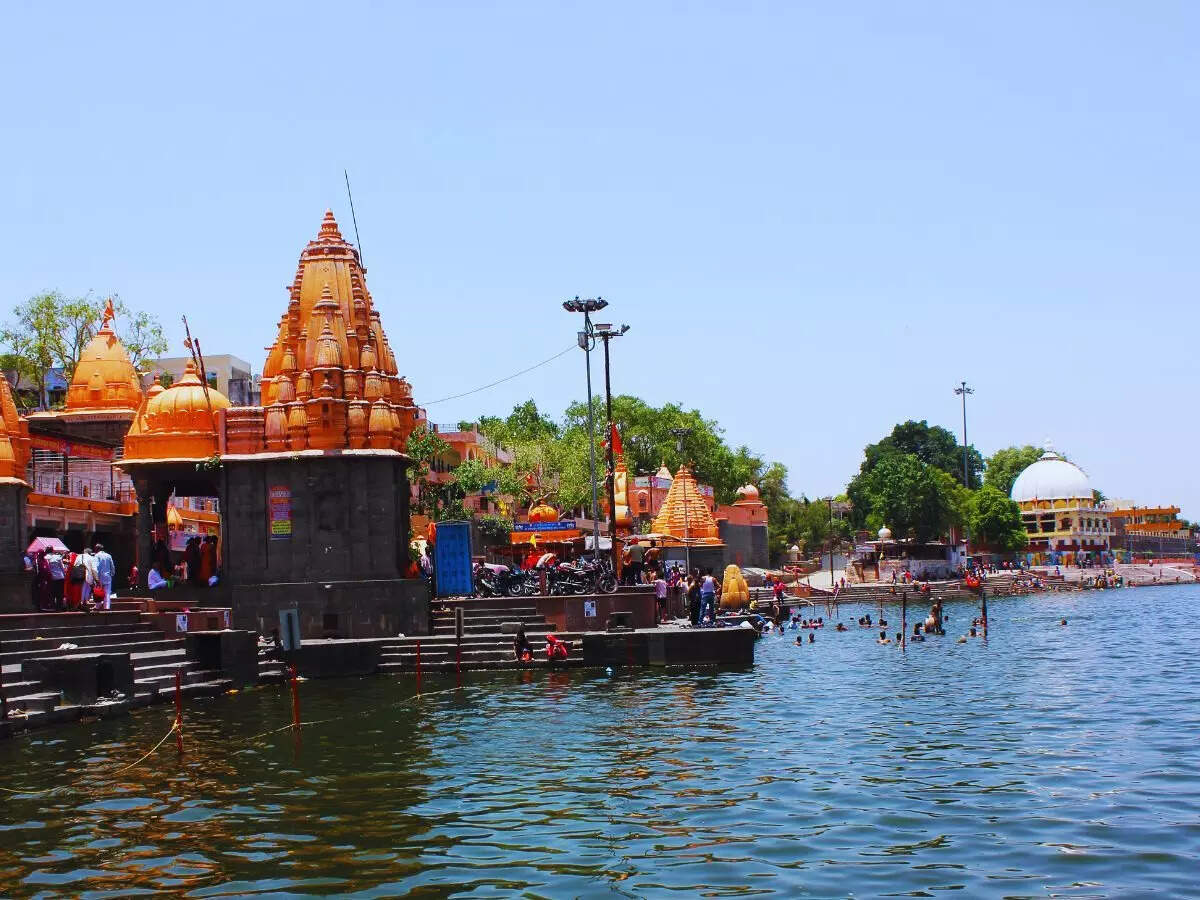
India is a country of living legends. From temples to rivers, every nook and cranny of the country narrates a tale from the past when gods used to walk on Earth. And when it comes to gods, especially Lord Shiva, there are some rivers that are not only important for humans but also carry the story of mythology and devotion related to Shiva. From Himalayan streams to ancient west-flowing waters, Shiva’s presence is felt wherever these rivers flow. Travelling along them feels like a spiritual map drawn thousands of years ago. Here are five rivers associated with Lord Shiva and where they flow.Narmada River – Shiva’s daughter

Omkareshwar

CANVA

Not many must be aware of the fact that the Narmada River, as per Hindu mythology, is the daughter of Lord Shiva. Narmada holds a unique bond with Shiva and its mythological name is Shankari. Legend has it that the river emerged directly from Shiva’s body when he was in deep meditation. Unlike other rivers, every stone found in the Narmada is believed to be a natural Shiva Linga.

Why Shiva Embodies Ultimate Dispassion: Sadhguru’s Insightful Story

Where it flows:The river starts at Amarkantak in Madhya Pradesh. Surrounded by temples and natural beauty, the river flows westward and reaches Omkareshwar, which is home to one of the 12 Jyotirlingas in India. Here, the river forms the sacred shape of ‘Om’. The river flows across Madhya Pradesh and Gujarat before merging with the Arabian Sea near Bharuch.Ganga River – Lives in Shiva’s Jata

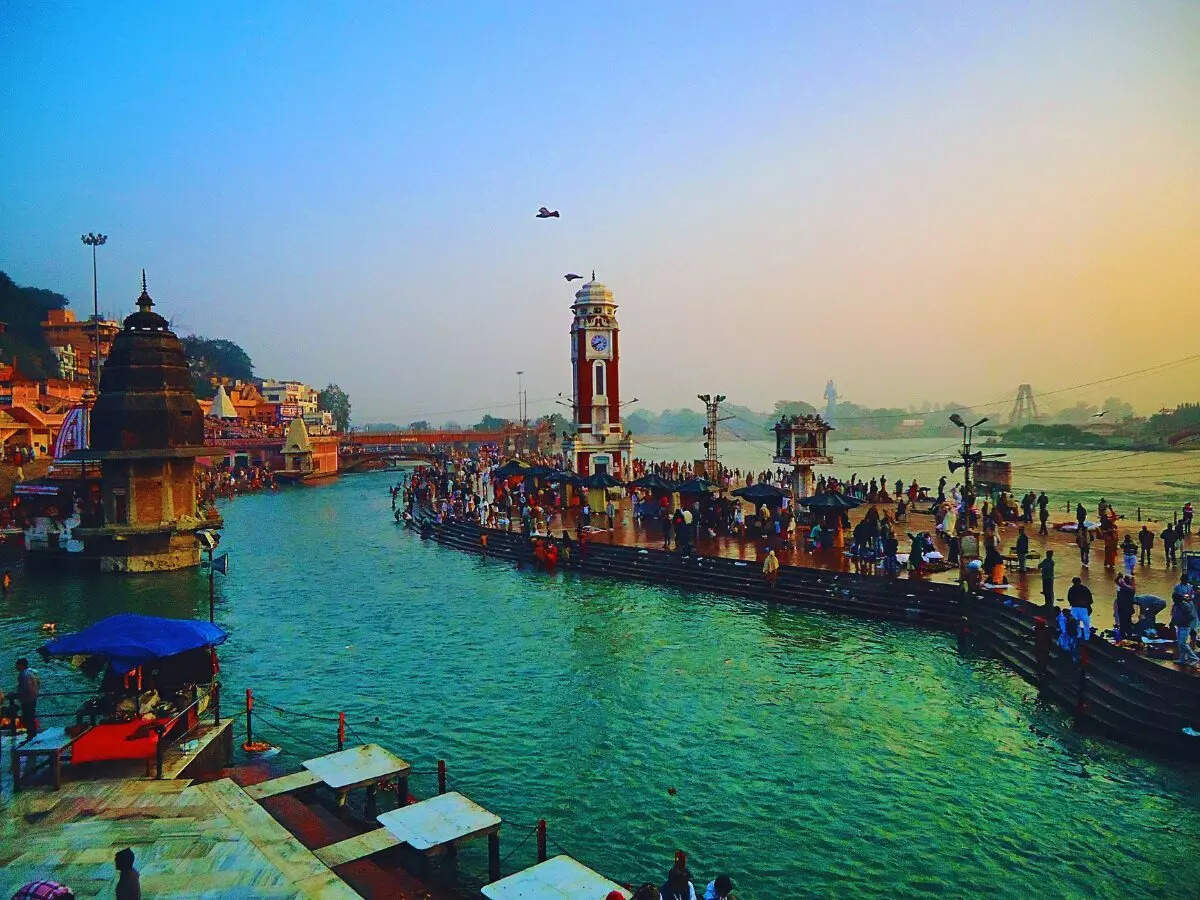
Haridwar

CANVA

The Ganga needs no introduction. It is an inseparable part of Shiva, also known as Gangadhara, or the one who bears the Ganga. It is mythologically believed that when Ganga descended, its force threatened to shatter the earth. It is then Shiva captured her in his hair (jata). releasing her gently in streams.Where it flows:Ganga’s journey begins high in the Himalayas. The Gaumukh Glacier is from where Ganga emerges and flows through Gangotri, Rishikesh, Haridwar, and Varanasi. The Ganga flows east across northern India. The river then meets into the Bay of Bengal.Godavari River – Shiva’s Dakshin Ganga

Godavari Nashik

Canva

The Godavari is also known as the Dakshin Ganga. The river carries Shiva’s presence deep into the heart of India. As per legend, Lord Shiva himself brought the Ganga south at the request of Sage Gautama. He wanted to cleanse the sins here. The river originates at Trimbakeshwar near Nashi. The town is home to one the most unique Jyotirlingas, where Shiva is worshipped in a three-faced form, depicting Brahma, Vishnu and Mahesh. The river passes through towns and ghats and attracts millions for ritual baths every year.Where it flows:The Godavari flows east across Maharashtra, Telangana, and Andhra Pradesh before ending up in the Bay of Bengal.Mandakini River – Flowing Past Kedarnath

Mandakini River

CANVA

The Mandakini River flows through the Garhwal Himalayas and is closely associated with Kedarnath, one of the holiest shrines dedicated to Lord Shiva. The river originates near Chorabari Glacier and flows alongside the trekking route to Kedarnath. Its cold waters, roaring through steep valleys, showing Shiva’s silence and his destructive power. Where it flows:The Mandakini merges with the Alaknanda River at Rudraprayag.Alaknanda River – The Carrier of Shiva’s Energy

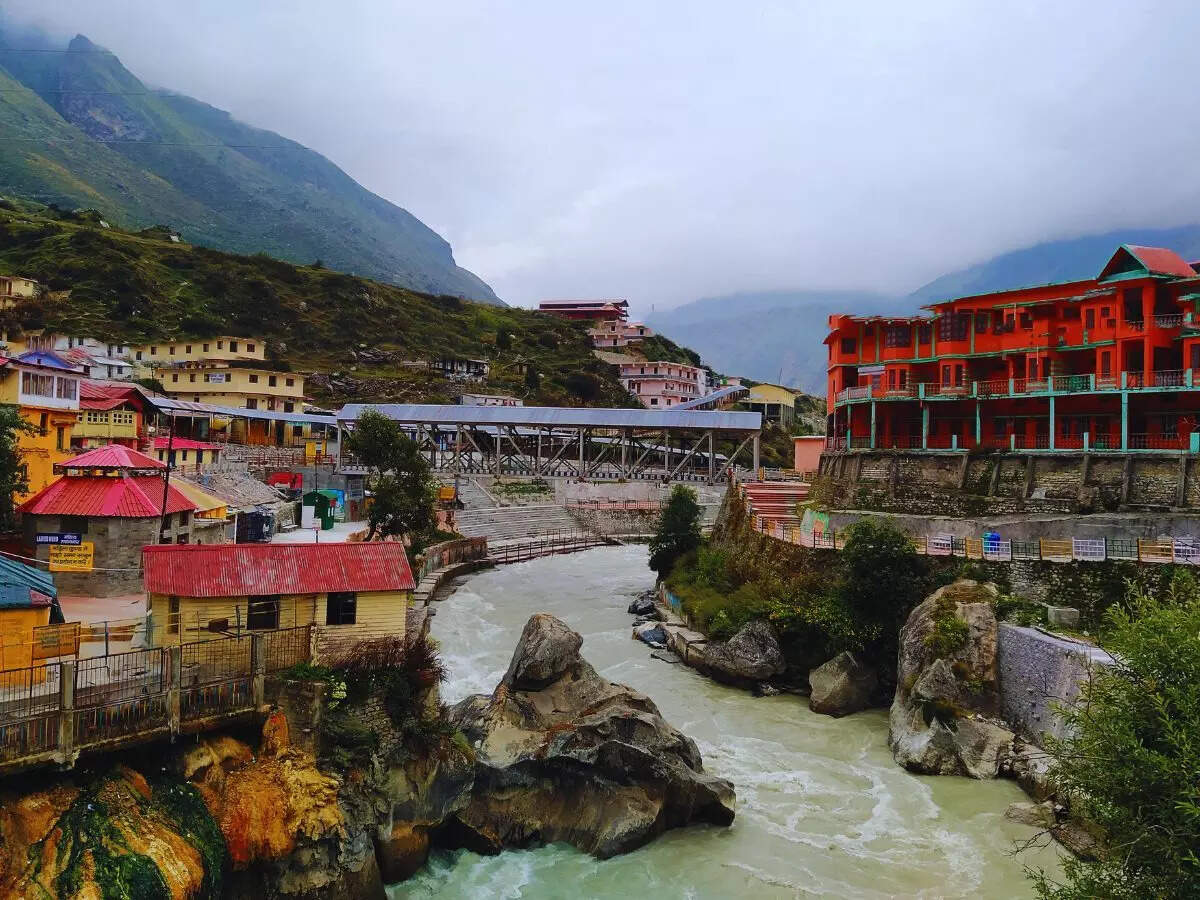
Alaknanda Badrinath

canva

The Alaknanda is one of the main streams of the Ganga. It holds immense Shaivite importance and flows past ancient pilgrimage towns. The river goes through Badrinath, Joshimath, and Rudraprayag and meets the Mandakini. It’s a sacred confluence. Where it flows:The Alaknanda meets the Bhagirathi at Devprayag to form the Ganga.These rivers are a traveller’s spiritual map and travelling along these rivers is experiencing a life-changing transformation. These five rivers flow through extremes: silence and chaos, creation and destruction.


Source link