Why nobody wants to be the boss anymore: The rise of ‘Conscious Unbossing’ in 2026 |


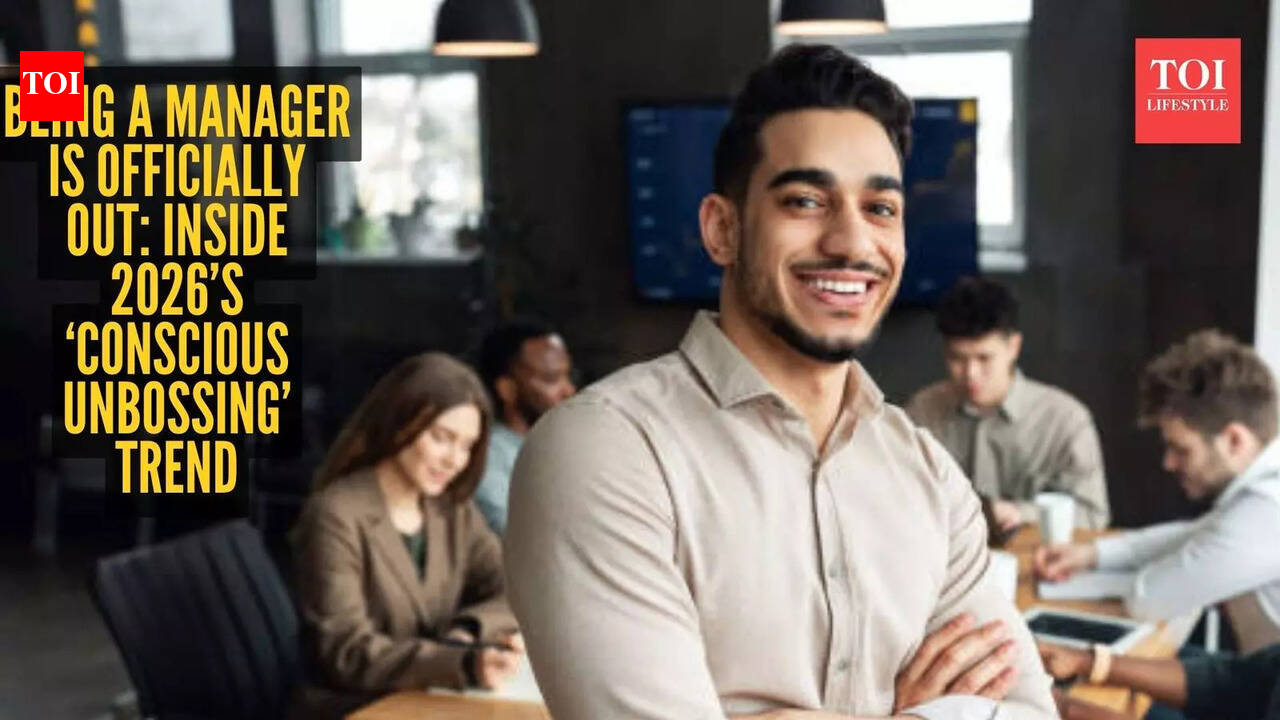
Why nobody wants to be the boss anymore: The rise of ‘Conscious Unbossing’ in 2026
In India, a growing number of professionals are consciously opting out of management roles, prioritizing their craft over leadership. This ‘conscious unbossing’ stems from overworked managers, minimal pay jumps, and a desire to avoid emotional labor. Companies are now urged to create robust individual contributor paths, valuing expertise over traditional hierarchy for a healthier work culture.

Once upon a time, becoming a “manager” was the dream. You worked hard, stayed late, climbed the ladder, and one day you finally got that promotion. Bigger title. Bigger team. Bigger pay cheque. Bigger respect.But in 2026, that dream is quietly losing its shine.Across India’s corporate offices, startups, IT parks, media houses, and even family-run businesses going “professional”, a surprising trend is growing: people are choosing not to become managers. Not because they can’t — but because they don’t want to. This shift is now being called conscious unbossing — a deliberate decision to step away from people management roles and stay in individual contributor (IC) tracks.

Workplace Anxiety Linked to Rising Health Issues Among Employees

It’s not laziness. It’s clarity.

What is conscious unbossing, really?

Conscious unbossing is when employees actively turn down promotions, ask to move out of managerial roles, or choose career paths that don’t involve leading teams.These are high-performing professionals who say things like:“I like my work, not managing people.”“I don’t want my job to be 80% firefighting and HR problems.”“I don’t want to be responsible for other people’s performance and mental health.”In India, this is a big cultural shift. We grow up with the idea that success = power + authority + team under you. Being “boss material” is still seen as a badge of honour. So when people say no to management, families are confused, bosses are baffled, and HR is scrambling to redesign career paths.

Why is this happening now?

This trend didn’t appear overnight. It’s been building up over the last few years, and India’s workplace reality has played a huge role in it.1. Managers are overworked and under-supportedIn many Indian companies, managers are expected to do everything:Deliver targets

istockphoto-1409520264-612x612

Manage team emotionsHandle HR issuesDeal with leadership pressureStay available on WhatsApp 24/7Fix problems they didn’t createBut the training and support for managers? Often minimal. People are promoted because they are good at their jobs, not because they are good at managing people. Then they’re thrown into the deep end.You end up with stressed-out managers who barely have time to breathe. Younger employees are watching this and thinking, “Why would I sign up for this?”2. The pay jump isn’t always worth the stressIn many organisations, the jump from senior individual contributor to first-time manager doesn’t come with a dramatic salary hike.What does come is:Longer hoursMore accountabilityOffice politicsPressure from above and belowSo people do the math. More stress, same lifestyle, less peace. Not a great deal.3. Indian work culture still struggles with boundariesLet’s be honest: work-life balance in India is still more of a slogan than a reality. Managers are expected to be “always available”.If your team works late, you work later.If your client calls on Sunday, you pick up.If your boss messages at midnight, you reply.For many people, becoming a manager feels like signing up for permanent availability. And after the pandemic years blurred home and office completely, a lot of employees have decided: not worth it.4. People don’t want to manage egos, emotions, and dramaManaging people isn’t just about assigning work. It’s about:Handling conflictsDealing with underperformersManaging insecuritiesNavigating office politicsTaking responsibility when someone messes upIn India, where emotional labour often falls disproportionately on managers (especially women), this becomes exhausting. Many professionals would rather focus on their craft – design, coding, writing, sales, research – than spend half their day mediating fights and giving pep talks.5. The rise of specialist prideThere’s a growing respect for specialists.Earlier, the path was simple:Junior → Senior → Manager → Head → CXONow, people are happy being:Senior engineersLead designersPrincipal analystsExpert consultantsSubject matter specialistsThey want depth, not hierarchy. They want to be really good at one thing, not average at ten.This is especially visible in India’s tech, startup, and creative sectors, where expertise is finally being valued as much as titles.

Is this a Gen Z thing? Not really

It’s easy to blame this on Gen Z being “anti-hustle”. But conscious unbossing is happening across age groups.Many millennials who rushed into management in their late 20s are now quietly trying to move back into IC roles in their 30s. Some burnt out managers are choosing consulting or freelance work just to escape the constant pressure of leading teams.

istockphoto-1174511028-612x612

This isn’t about being lazy. It’s about being tired of carrying invisible labour.What conscious unbossing says about Indian workplacesThis trend is holding up a mirror to organisations.Employees aren’t rejecting leadership.They’re rejecting badly designed leadership roles.If being a manager means:No trainingNo authority but full responsibilityNo emotional supportNo real pay jumpConstant availabilityThen people will walk away from it.Smart companies are slowly responding by:Creating strong IC career tracksPaying senior specialists wellOffering management trainingNormalising stepping back from leadership without shameBut many organisations still treat management as the “only real growth”. That mindset is becoming outdated.

Is conscious unbossing a bad thing?

Not at all.In fact, forcing people into management who don’t want to be there is bad for everyone. You get unhappy managers, disengaged teams, and poor leadership culture.When people choose management because they actually want to lead, mentor, and build teams, leadership quality improves. Conscious unbossing filters out reluctant leaders – and that’s healthy.

Should you consciously unboss yourself?

If you’re thinking about turning down a managerial role or stepping back from one, ask yourself:Do I enjoy guiding people or do I tolerate it?Am I excited by responsibility or drained by it?Is this role aligned with my strengths or just my resume?Am I choosing this for growth, or for approval?There’s no “correct” answer. Wanting to lead is great. Not wanting to lead is also great. The real failure is staying stuck in roles that slowly burn you out.Conscious unbossing isn’t a rebellion against ambition. It’s a redefinition of ambition.In 2026, success in India is starting to look less like “kitne log ka boss hai” and more like “kitna fulfilled hai.” People are choosing sanity over status, skills over titles, and depth over drama.And honestly? That might be the healthiest career trend we’ve seen in a long time.


Source link

Peppa Pig’s latest episode has parents in tears and it’s going viral – here’s what happens to George |


Peppa Pig’s latest episode has parents in tears and it's going viral - here’s what happens to George
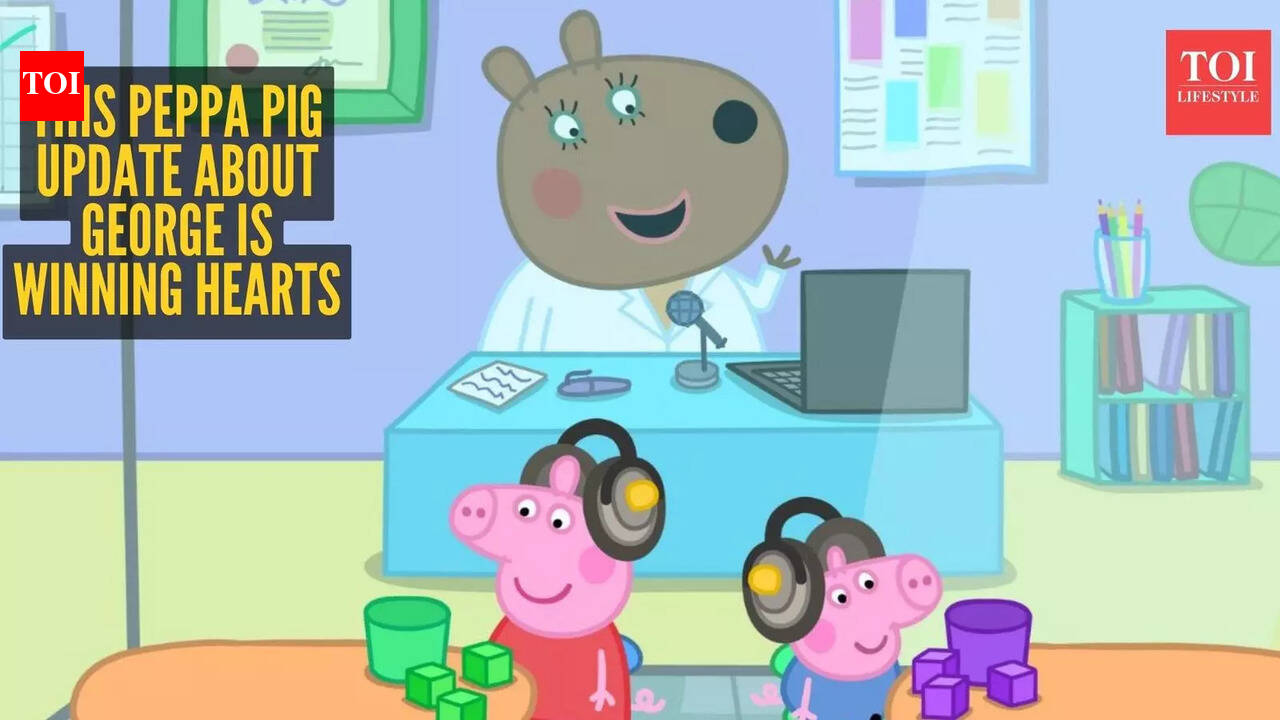
Beloved children’s show Peppa Pig has introduced George’s diagnosis, offering a gentle portrayal of the experience. The storyline, developed with a community input, shows George using a device to help his condition. This inclusive move reflects the show’s commitment to representing diverse children and families, making many feel seen.

Peppa Pig’s world just got a little more real – and a lot more heartfelt. In a recent episode, the much-loved kids’ show shares that George, Peppa’s younger brother, has moderate hearing loss. It’s a quiet update, but a meaningful one, and it opens the door for many children and families to feel seen on screen for the first time. Something that has made a lot of parents of deaf children, a tad bit emotional.The way the show handles it is gentle and thoughtful. In one episode, we experience parts of the day from George’s point of view. Everyday sounds feel a bit fuzzy, some moments are confusing, and things don’t always land the same way. It’s simple, easy for kids to understand, and surprisingly moving. No heavy lessons – just a soft way of helping young viewers see that not everyone experiences the world in the same way.The creators didn’t rush this storyline. They worked closely with organisations that support deaf children and people from within the deaf community to make sure George’s journey feels honest and respectful. The idea wasn’t to “label” him, but to show that kids with hearing loss are just kids – playful, curious, cheeky – who might need a little extra support sometimes.

Untitled-design-2026-02-05T100226.900

In fresh episodes, George’s family finds out about his hearing needs during a regular check-up, and he starts using a hearing aid. From there, we see him slowly discovering sounds he hadn’t fully noticed before – splashing in muddy puddles, the jingle of the ice-cream van, familiar voices around him. One especially sweet moment shows George clearly saying Peppa’s name for the first time – something many families with deaf or hard-of-hearing children will recognise and quietly celebrate.Peppa Pig has always tried to reflect the world kids grow up in, not a perfect version of it. Over the years, the show has introduced characters with different abilities and different family set-ups, making diversity feel normal, not “different.” George’s storyline fits right into that spirit – it’s soft, age-appropriate, and handled with care instead of drama.

hq720

The changes don’t stop at the episodes. Some Peppa Pig content is now available in sign language, making it more accessible for kids who communicate visually. There are also new toys featuring George with his hearing aid, which might seem like a small thing, but can mean a lot to a child who’s never seen themselves reflected in their favourite characters before.For many families, this isn’t just another cartoon update. It’s about representation that feels kind and real. By bringing George’s hearing journey into its familiar, everyday world, Peppa Pig quietly reminds kids that being different doesn’t make you any less part of the story – it just makes the story more real.


Source link

5 mistakes to avoid when investing in under-construction projects


An under-construction property may not appreciate as expected if the location lacks infrastructure, connectivity or long-term demand. Market fluctuations during the construction period can also affect resale value and rental income. Evaluating growth potential, infrastructure plans and exit options helps ensure the investment remains viable over time.

Investing in real estate projects under construction can prove highly beneficial, but requires caution and judgment. Verifying legal compliance, checking for unreasonable claims, considering delays, and planning and checking finances are all crucial steps to increase the prospects for a safe and profitable business. However, by avoiding mistakes and undertaking diligence work, investors can confidently navigate the complexities of under-construction projects and make wise decisions in real estate investment.

Image Credit: Canva


Source link

Revenge quitting is 2026’s hottest career trend – here’s what it actually means |


Revenge quitting is 2026’s hottest career trend - here’s what it actually means
Workers are embracing ‘revenge quitting’ in 2026, a trend where employees leave jobs not just for new opportunities, but to reclaim control after feeling ignored, overworked, or undervalued. This calculated departure prioritizes self-respect over enduring toxic work environments, marking a significant shift in employee priorities towards well-being and dignity.

We’ve already lived through quiet quitting, the great resignation, and full-blown burnout culture. Now, 2026 has gifted us a new work-life buzzword- revenge quitting. And yeah, it sounds dramatic. But the feeling behind it? Very real.No, revenge quitting doesn’t mean throwing a tantrum at work, slamming your laptop shut, and posting a spicy resignation note on LinkedIn (even though a tiny part of us has imagined doing that at least once). It’s quieter than that. Smarter too. And honestly, it says a lot about how done people are feeling at work.

Workplace Burnout: Signs You Shouldn’t Ignore & How To Recover

At its heart, revenge quitting is when someone leaves not just to move on, but to take back a bit of control. It comes from being tired of being ignored, overworked, underpaid, or treated like you’re replaceable. The “revenge” isn’t about getting back at your boss. It’s about finally choosing yourself after feeling small at work for way too long.And in 2026? This mindset is everywhere.

So what is revenge quitting, really?

Revenge quitting isn’t about chasing a slightly better salary or a shinier job title. It usually comes after someone hits their limit.Think long nights with no extra pay. Promises of promotion that never came. Bosses who micromanage every move. A work culture that drains you but expects you to smile through it.It’s that moment when you sit back and think, Why am I still trying to fix a place that clearly doesn’t care about fixing itself? So you stop trying. You make a plan. And you leave.Sometimes the exit is loud – like quitting right after being embarrassed in a meeting. Other times, it’s low-key and calculated. You quietly update your CV, take interviews in between calls, lock in a better role, and then resign. The company only realises how much you were doing when you’re already halfway out the door.Either way, it feels personal. That’s what makes it different from regular job-hopping.

Why is everyone talking about this in 2026?

This didn’t come out of thin air. The past few years have changed how people feel about work.People stuck around during layoffs. They worked through pay freezes. They took on extra work when teams were cut. They were told to “be grateful” to still have a job while being pushed harder than ever. And when things finally started to stabilise? Many felt nothing really changed for them.Add to that:Managers saying “we’re a family” right before cutting jobsPromotions being hinted at but never happeningBurnout being praised as dedicationMental health being talked about but not backed up with real supportBy 2026, people are tired of pretending this is fine. They’re choosing boundaries over burnout. Self-respect over silent suffering.Social media has made this shift louder too. People are openly talking about bad bosses, toxic offices, and the relief they felt after quitting. When you see someone else walk away and land on their feet, it makes the idea feel possible. Even brave.

How is this different from just quitting your job?

People have always left bad jobs. That’s not new. What’s new is the why behind it.Normal quitting is practical. You leave for better pay, a new role, a new city, or a career change.Revenge quitting is emotional. It builds up over time. It usually comes from feeling:Disrespected

istockphoto-185324851-612x612

InvisibleUsedBlocked from growingIt’s rarely impulsive. Most people who “revenge quit” plan their exit quietly. They don’t blow things up on the way out. They line things up first. And when they finally leave, it’s not to prove a point to their boss – it’s to prove something to themselves.

Why people hit breaking point

People can deal with stress. What they struggle with is feeling treated unfairly.When effort goes unnoticed, when rules change depending on who you are, when feedback only flows one way, or when growth is promised but never allowed – it wears you down.Revenge quitting usually happens after someone has already tried to fix things. They spoke up. They waited. They adjusted. Nothing changed. At some point, something in you just goes quiet. That’s when you know you’re done.Leaving then feels less like running away and more like choosing self-respect.

Is revenge quitting healthy… or risky?

Honestly? It depends on how you do it.Leaving a toxic job can feel like dropping a heavy weight you didn’t realise you were carrying. People often sleep better. They breathe easier. They stop dreading Mondays.But quitting in pure anger, with no plan and no savings? That can create a whole new kind of stress. You don’t want to swap office anxiety for money anxiety.The healthiest version of revenge quitting looks like this:You realise the job isn’t good for you.You prepare quietly.You line up your next move.You leave with your dignity intact.No messy drama. No burning bridges. Just a clean exit.

What this trend says about workplaces in 2026

Revenge quitting isn’t about people being “too sensitive.” It’s about workplaces being slow to change.People today expect:Clear work hours.Basic respect.Fair pay.Real growth, not empty promises.Managers who actually listen.When companies ignore this, they don’t just lose staff – they lose good people. Often, it’s the reliable, high-performing employees who burn out quietly and leave without making noise.By the time leadership realises something’s wrong, those people are already gone.

Thinking of revenge quitting? Ask yourself this

Before you make any big move, ask yourself:Is this one bad week, or a long pattern?Have I tried saying what’s not working?Can I afford to leave right now?Am I running away from something, or moving towards something better?Leaving can be powerful. Leaving with clarity is even better.Revenge quitting isn’t about drama.It’s about dignity.It’s about people realising that staying in places that drain them isn’t brave – it’s exhausting. In 2026, more workers are choosing peace over pay cheques that come with panic. They’re choosing respect over roles that shrink them. They’re choosing growth over grind.And honestly, this isn’t just a trend.It’s a long-overdue shift in how we treat ourselves at work.


Source link

“A man with bloodshot eyes and a machete blocked my path…”: European traveller recounts his India trip, lists common scams to watch out for |


"A man with bloodshot eyes and a machete blocked my path...": European traveller recounts his India trip, lists common scams to watch out for

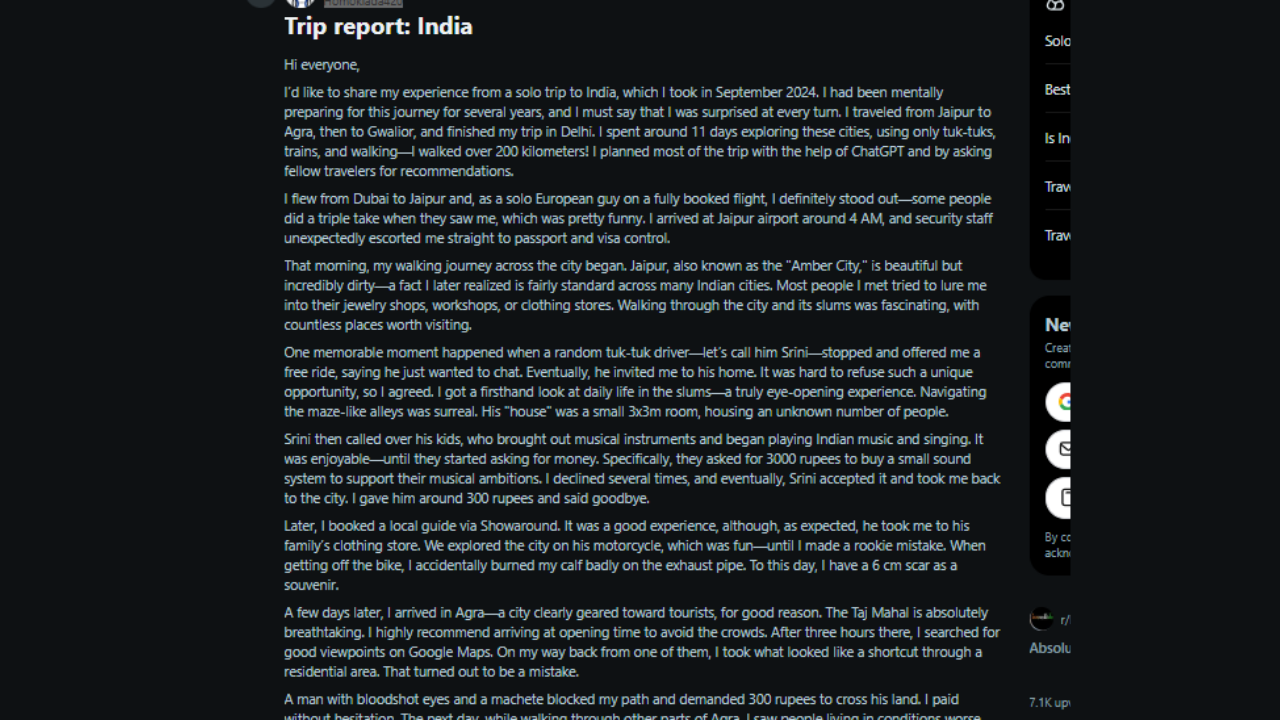
India is often described as a country that tests travellers, emotionally, physically and mentally, especially those visiting solo for the first time. From chaotic roads to stark contrasts between the rich and the poor, and then moments of unprecedented warmth and support, India can be an overwhelming and unforgettable destination for any visitor. However, for tourists across the globe, online forums are now replete with unfiltered experiences that go behind the tour itineraries for solo tourists, particularly, visiting India. One such account (Homoklada420), shared recently on Reddit, is about a European traveller who spent 11 days travelling solo across northern India in September 2024. Moving through Jaipur, Agra, Gwalior and Delhi using only public transport, tuk-tuks and long walking routes, the traveller documented everything from cultural surprises and unexpected kindness to aggressive touts, visible poverty and safety scares. What follows is his journey, and his experiences.

travel plan

The trip, he says was planned largely using ChatGPT and advice from fellow travellers, turned into a deeply personal experience that revealed not just India’s famous landmarks, but also the uncomfortable realities that guidebooks often gloss over. He says, “I flew from Dubai to Jaipur… I landed at Jaipur airport around 4 am, and to my surprise, security staff escorted me straight to passport and visa control.” He shares that his walking journey across the city began. Jaipur, also known as the Amber City, is beautiful, but incredibly dirty, which he says he later realised that it’s fairly standard across many Indian cities. Almost everyone he met tried to lure me into jewellery shops, workshops or clothing stores. Still, walking through the city and its slums was fascinating, with countless places that felt worth exploring.

India tuk tuk

One of the most memorable moments happened when he met a random tuk-tuk driver. He says, “Let’s call him Srini, who stopped and offered me a free ride, saying he just wanted to chat. Eventually, he invited me to his home. It was hard to refuse such a unique opportunity, so I agreed. I got a firsthand look at daily life in the slums. Navigating the maze-like alleys felt surreal. His house was a tiny 3×3 metre room, housing an unknown number of people.Read more: Top 10 hardest countries to get citizenship and why it’s nearly impossible Srini then called his kids over. They brought out musical instruments and started playing Indian music and singing. It was genuinely enjoyable, until they began asking for money. They wanted 3,000 rupees to buy a small sound system to support their musical ambitions. I declined several times. Eventually, Srini accepted it and took me back to the city. I gave him around 300 rupees and said goodbye.” A few days later, he arrived in Agra, a city clearly built around tourism, for good reason. The Taj Mahal is absolutely breathtaking, which he highly recommends arriving right at opening time to avoid the crowds. He shares, “After spending about three hours there, he searched for good viewpoints on Google Maps, and on his way back from one of them, I took what looked like a shortcut through a residential area. That turned out to be a mistake.Read more: Valentine’s Week Special: Famous heart-shaped destinations that are nature’s marvelsA man with bloodshot eyes and a machete blocked my path and demanded 300 rupees to cross his land. I paid without hesitation. The next day, walking through other parts of Agra, I saw people living in conditions worse than anything I’d ever witnessed, almost like animals. Tuk-tuk drivers were begging to give rides for as little as 10 rupees. In front of the Agra Fort, official guides started at 1,500 rupees and dropped to 200 by the time I walked away. It was quite a scene.”

reddit

Then came Gwalior, a beautiful and underrated city. There’s an impressive hilltop fort with several temples. He visited the Gurudwara Data Bandi Chhod Sahib, and shares that one shouldn’t hesitate to go inside, as it was a once-in-a-lifetime experience. After the visit, he was offered a simple but delicious free meal.The final five days were spent in Delhi. He adds, “I was surprised by how clean the city centre was, but beyond that, daily life looked very different. In my opinion, more than two days in Delhi isn’t necessary.”Some useful things he learned along the way:Language-wise, many people spoke fluent, understandable English. Prices vary depending on skin colour and language skills, as he was a Czech traveller, he says, “I was almost always quoted the highest price. For example, the Taj Mahal cost me 1,100 rupees, while locals paid 50.I used Uber everywhere, and for trains, the IRCTC website worked well, although verifying your account requires patience. Street food really depends on your gut, I ate it almost daily and had no issues. For the internet, I used an Airalo eSIM, which worked perfectly throughout the trip.”Common scams to watch out for include jewellery shops offering “free tours,” aggressive clothing stores, tuk-tuk or Uber drivers claiming their accounts are blocked, fake charity donations, claims that attractions are closed, overpriced official guides, fake hotel photos on websites, and overly friendly strangers, they usually have an agenda.Disclaimer: The above article is based on a Reddit post and Times of India has not verified the veracity of the claim


Source link

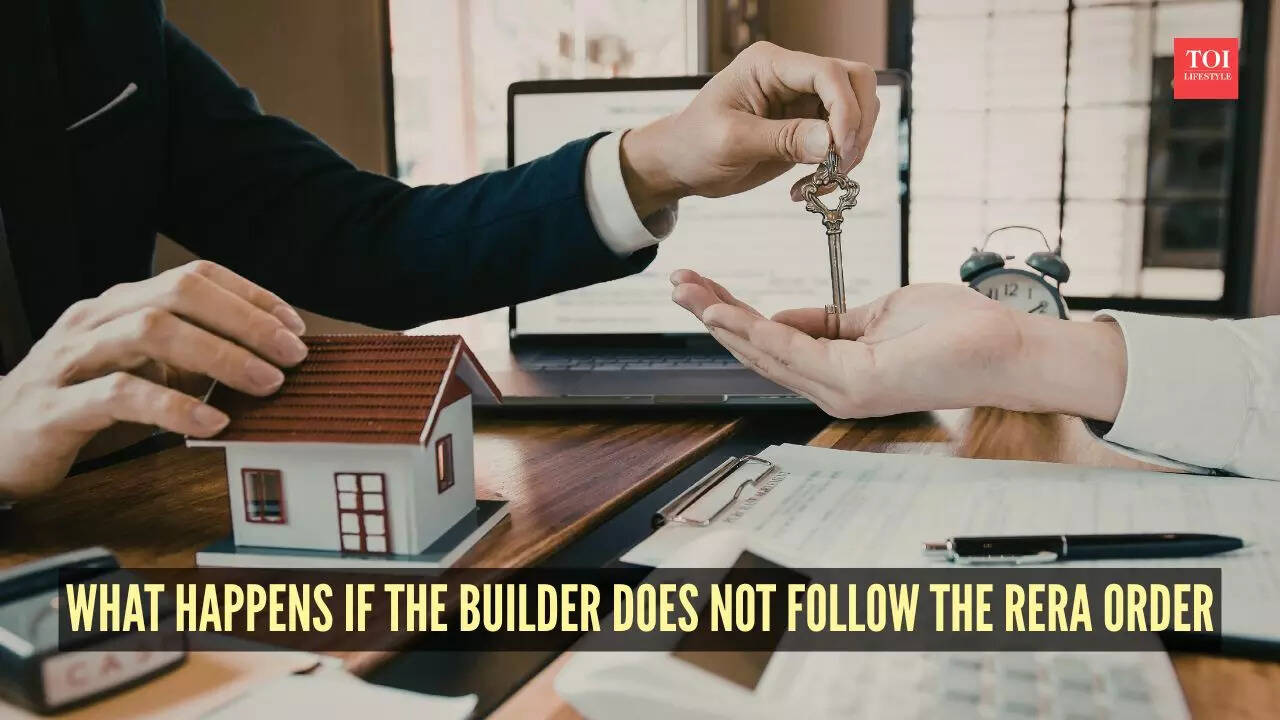
What happens if the builder does not follow the RERA order?


Authorities may require disclosure of assets, initiate seizure proceedings, escalate the case to civil courts or order civil imprisonment for continued refusal to pay compensation. In extreme situations, authorities may also restrict the builder from launching new projects or take further regulatory action.

Failure to abide by a RERA order constitutes a critical legal offense in India. Builders who fail to comply with RERA face increasing legal consequences ranging from daily monetary penalties and recovery of due payments to confiscation of assets, imprisonment, and restrictions on business activities. These stringent rules under RERA serve the very purpose of the regulation.

Image Credit: Canva


Source link

Ex-Zomato employee reveals what working there is really like, and it’s not for the faint-hearted


Ex-Zomato employee reveals what working there is really like, and it’s not for the faint-hearted
A former Zomato employee, Ragini Das, shared a heartfelt reflection on her six years at the company, highlighting how the challenging environment shaped her career and personal growth. She emphasized that Zomato’s demanding pace and high expectations fostered resilience and trust, enabling significant professional development and lasting friendships.

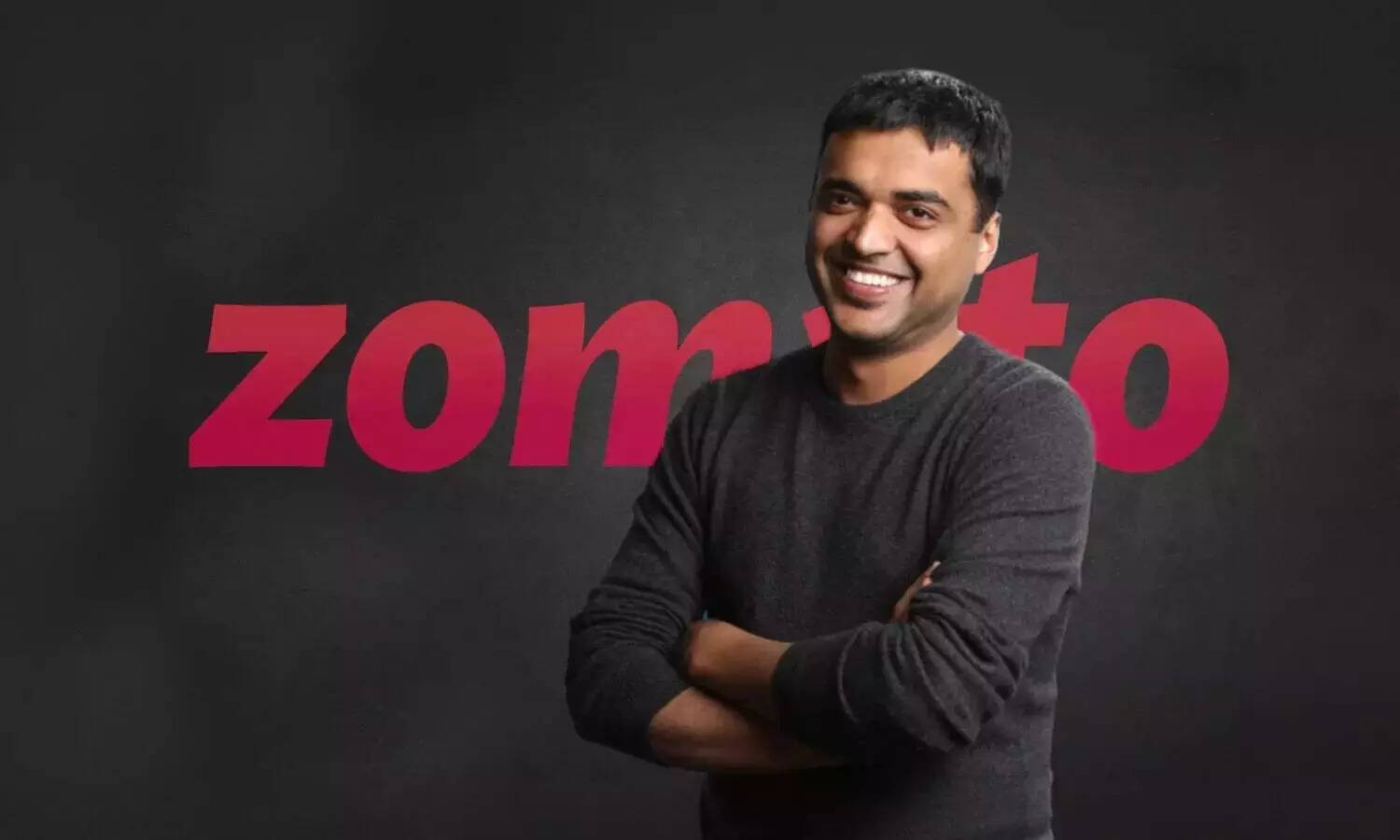
A former Zomato employee has posted a heartfelt note about her time at the company, and it’s struck a chord with a lot of people online. Ragini Das spent six years in Zomato’s sales and marketing team before stepping out to build her own startup, Leap Club. She’s now part of Google India, but says her Zomato years shaped how she thinks, works, and handles pressure – and also gave her friendships she still holds close.She decided to look back on her Zomato journey after founder Deepinder Goyal publicly invited former employees to consider coming back, saying the company has grown and that the door is still open. That message got Ragini reflecting on what working at Zomato really meant to her – the good, the tough, and everything in between.While her post was full of warmth, she didn’t sugarcoat the reality of the job. According to Ragini, Zomato isn’t meant to be “easy” or comfortable – and that’s kind of the whole point.“Zomato isn’t for everyone. And that’s okay,” she wrote on LinkedIn, adding that her time there helped shape the work she later did at Leap Club.She also made it clear that Zomato isn’t the place for anyone who wants a relaxed 9-to-5. The pace is relentless, expectations are high, and things move fast. But for people who thrive in that chaos, the experience can be life-changing.

Deepinder-Goyal-Success-Story

Ragini said one of the biggest things Zomato gave its employees was trust – sometimes even before they felt ready for it. If you stuck it out, the company backed you with responsibility and a belief in your potential that pushed you to grow faster than you expected.Sharing a personal example, she recalled being handed a million-dollar budget to launch a product when she was just 26. Not many companies would take that kind of bet on someone so young, she pointed out. But that trust forced you to step up and figure things out on the go.Ragini joined Zomato in 2013 as a sales and marketing manager and stayed on for six years. By the time she left in 2019, she had become the first team member of Zomato Gold in India. She also spoke about how dramatically her career evolved in that time – from trying to sell ₹3,000 banner ads at 22, to closing deals worth ₹60 lakh. Somewhere between those two numbers, she says, is where her grit was built.What stood out in her note was how much she genuinely enjoyed the grind. She joked that in six years, she probably had “Monday blues” only a handful of times. Being around people who were obsessed with what they were building made the energy contagious.Looking back, Ragini says those years at Zomato taught her how to communicate better, stay resilient under pressure, and think long-term, lessons that continue to shape the way she works today.


Source link

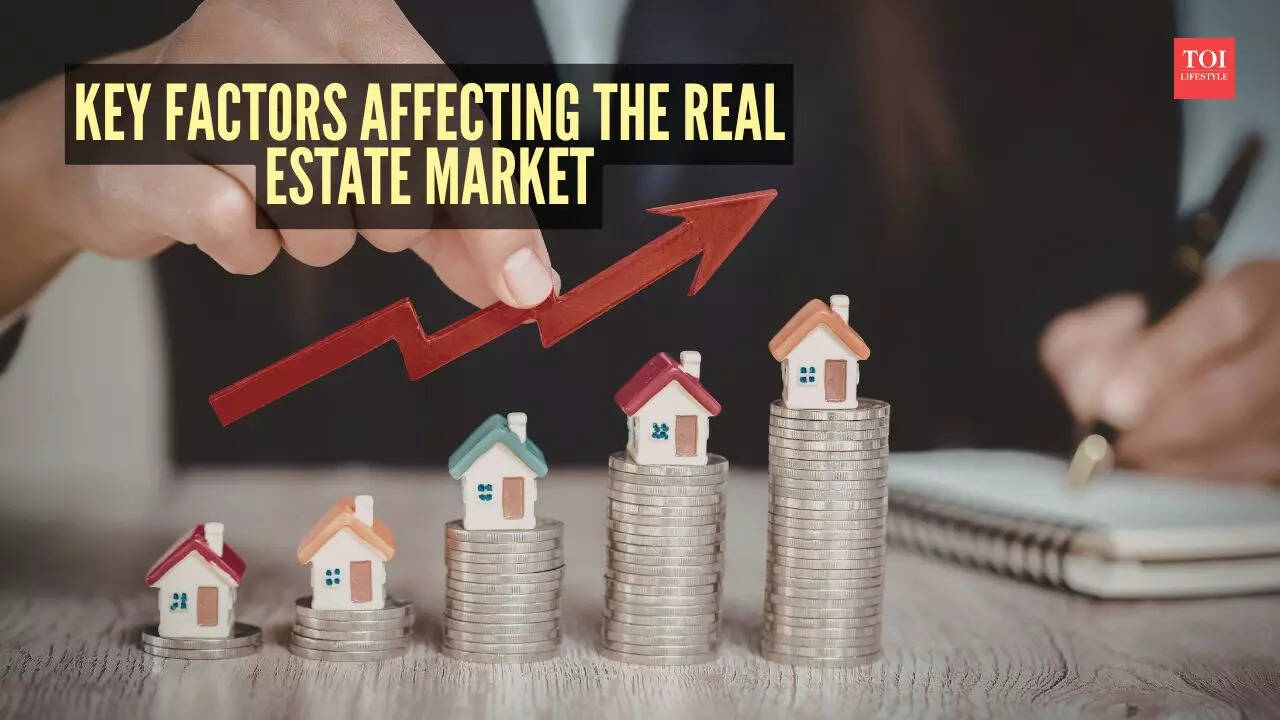
5 key factors that deeply impact the real estate market and what every buyer should know


Property values vary significantly depending on proximity to business hubs, transport networks, schools, and developed infrastructure. Limited land availability in well-connected urban areas often keeps prices elevated, while emerging suburbs may see slower appreciation if supply outpaces real demand. Infrastructure expansion and planning decisions therefore play a major role in long-term value.

It is important to realise that real estate markets do not behave randomly. They react to factors such as supply/demand balance, cost of borrowings, regulations, financial health of the market, and the inherent advantages of location. Analysing these factors is a much better approach to avoid investing in real estate from a purely emotional point of view.

Image Credit: Canva


Source link

“People laughed and made fun of me,” 19-year old farmer from UP shares how he fought all odds to become a model


"People laughed and made fun of me," 19-year old farmer from UP shares how he fought all odds to become a model

The son of a farmer in a small village in Aligarh, Uttar Pradesh, Nitin Kumar (Katil Model) grew up with a dream that did not fit easily into the world around him. While most boys in his village were expected to follow familiar paths, Nitin imagined himself somewhere else entirely—walking the ramp for top fashion designers, dressed in confidence and possibility.That dream, however, came at a cost.When Nitin tried practicing his ramp walk or dressing differently, he was met with ridicule. People laughed. Some mocked him openly. In a place where ambition is often measured by how closely one follows tradition, his aspiration to become a fashion model seemed strange, even unacceptable.At just 19, Nitin has already worked multiple jobs to make ends meet. One of them was as a security guard in Dwarka, Delhi. The work was grueling-12-hour shifts that left him physically and mentally exhausted.“By the end of the day, I was so tired that I had no time to think about anything else,” he recalls.

Image: Nitin Kumar

He quit the job, hoping to find opportunities in modelling, but reality soon caught up with him. He had no money to invest in portfolios, grooming, or agency registrations. Survival came first.His next job took him to the Indira Gandhi International Airport. Nitin needed money, and so he took up this job where the work was hard and the hours were long. He worked here for some time, and then came a familiar feeling of restlessness. He was afraid he would never be able to become a model.Nitin had to make a hard choice again. He quit and got a new job with a company in Noida that had an eight-hour shift and Sundays off. It wasn’t glamorous, but it gave him something valuable: time.

Image: Nitin Kumar

On his days off and in whatever free hours he could carve out, Nitin began working on himself. He searched for modelling opportunities online, practiced his walk, studied poses, and focused on building his body and confidence. There were no shortcuts—just quiet discipline and belief. However, his efforts saw no success.His father was unhappy with his choices and eventually called him back home. Nitin began helping his father in the fields, and in whatever little time he could spare, he continued to practice.“People would laugh at me and make fun of me,” he says. “Kabhi kuch nahi kar payega”, that’s what I heard from almost everyone.”What kept him going was inspiration. Models like Jeet Gurjar and Apeksha Rajput, who came from humble beginnings yet managed to carve a place for themselves in the industry, inspired him. Their journeys reminded him that where you start does not have to decide where you end.

Image: Nitin Kumar

Nitin remained undeterred. He practiced his ramp walk daily, worked on his posture and presence, and began paying close attention to his social media. Every day, he posted videos and reels, hoping someone would notice. For a long time, nothing happened. The few offers that did come his way demanded money—something he simply did not have.Eventually, he reactivated his account with a different approach. He began uploading daily vlogs, openly sharing his journey and struggles. Slowly, people started noticing the honesty in his story.His first show came in Dwarka. He was asked to pay ₹1,000 to participate—money he borrowed from a friend. He gave his best on the ramp, and it showed. The organisers called him again for another show. This time, he wasn’t asked to pay anything.From there, the progress was slow but steady. He began getting shows with small designers who did not ask for money. More importantly, he was building a portfolio—something he could never have afforded to create on his own.\

Image: Nitin Kumar

“I still have a long way to go,” Nitin says. Although he has already done shoots for brands like Amazon, ZARA and Adidas—and has been paid for his work—he knows this is only the beginning. “I want to become a supermodel. Now I know that if you stay consistent with something, you will definitely achieve it.”For a boy once told he would never amount to anything, that belief itself is a quiet but powerful victory.


Source link

Real vs fake silver: How to check silver authenticity at home through 6 easy ways |


Real vs fake silver: How to check silver authenticity at home through 6 easy ways

Silver rates have almost touched the skies with a sudden increased rate. In just weeks, prices have jumped around Rs 300 per gram and approximately Rs 3 lakh per kilogram. That’s enough to make anyone pause before buying. And it’s also enough to make fake silver far more tempting for scammers. When prices rise this fast, experts say fake silver tends to flood the market with jewellery, coins, and utensils. The good news is you don’t always need lab equipment to protect yourself. Many basic checks can be done at home. Tests that jewellers themselves often use as a first step. Here’s how you can check real silver from fake silver, without stepping outside.

How to check real and fake silver at home

This is usually the quickest test. Real silver isn’t magnetic; if the silver were real, it would not stick. If you place a small magnet on the item and it snaps into place, that’s a red flag. That said, not sticking doesn’t automatically mean it’s genuine. Some fake metals are non-magnetic too. Still, experts say this test helps rule out obvious fakes fast.Ready for the surprise? Silver conducts heat extremely well, better than almost any metal used in jewellery. Because of that, ice melts unusually fast on real silver. Place an ice cube on the item. Watch closely, and if it starts melting almost immediately, spreading water quickly, it might be genuine. If it sits there slowly, barely changing, something feels off.Checking silver by smelling may sound sounds odd, but it is the next trick one may use to detect, and it works. Real silver has no smell. None at all. If you rub the piece gently and bring it close, it should smell neutral. Fake silver sometimes gives off a coppery or metallic odour. Especially if it’s plated or mixed with cheaper metals.Rub the silver gently with a clean white cloth not aggressively. Real silver oxidises slightly and often leaves a black or greyish mark. No mark at all can mean plating or an alloy. This doesn’t damage the silver. Jewellery owners often notice this over time anyway.Silver is dense and heavier than it looks. Fill a glass with water and gently place the silver inside. Real silver sinks straight down and settles quickly. Fake silver, especially lighter alloys, sometimes moves oddly or sinks slowly. Some even float briefly before going down.This is another surprising yet interesting to check how silver can be detected through sound. Tap the silver lightly against a hard surface or another metal. Real silver makes a clear, ringing sound, almost bell-like. Fake silver sounds dull and flat.People who handle silver often recognise this instinctively. Beginners can still hear the difference with practice.

Why is it important to check the authenticity of silver

When silver prices rise this sharply, emotions come into play, and that’s exactly when people make mistakes. Experts say buyers should slow down, test and ask questions. And never rely on just one method. Real silver usually passes several checks, not just one lucky test.If something feels too cheap or rushed, it probably is. CAUTION: It may sound shinier, and that’s where the red flag is.


Source link