5 animals that thrive on both land and water, and where to spot them


Crocodiles are ancient amphibious predators. Do you know, crocodiles are also one of the oldest surviving reptiles on the planet. These creatures remain largely unchanged for millions of years and have perfectly adapted for both land and water. With the help of their powerful tails and strong limbs, they hunt and rule the world of water and land.

Where to spot them in India:

In India, the best place to witness crocodiles in their natural habitat is the Sundarbans, Bhitarkanika National Park, renowned for the country’s highest crocodile populations. Globally, crocodiles can be seen in Australia’s Northern Territory and in Africa, among others.


Source link

“Is he a ghost? Yes! Don’t speak loud, he’ll wake up”: How a spirit found a place in my Pooja Room and became our God


"Is he a ghost? Yes! Don't speak loud, he'll wake up": How a spirit found a place in my Pooja Room and became our God

In my village, the pooja room — our Gosai Ghar — never had framed pictures of gods and goddesses. There were no calendars of deities, no marble idols, no ornate temples. Instead, there were raised, rounded earthen forms — pindas — quiet, unadorned, powerful in their stillness. As a child, I only knew that one of them was Shitala because she wore sindoor. Beside her stood a structure shaped like a mazar, draped carefully in a satin chadar. And in one corner sat a lone pinda, uncovered, marked only with a black tila.“Don’t speak loudly,” my grandmother would whisper. “He is Ranga Dhari. He will wake up.”“Is he a ghost?” I had once asked.“Yes,” she said simply. “We worship him.”The idea unsettled me as a child. A ghost in a Brahmin household? A mazar inside a pooja room? It did not fit the neat religious categories I was slowly learning outside.But villages do not follow neat categories.

Image: Istock

The mazar-like structure, I later understood, belonged to Pir Baba — a local saint believed to protect the family. Faith in rural India has always been layered; in places like Bihar and Uttar Pradesh, Hindu homes often carry traces of Sufi reverence without conflict. Protection matters more than labels.And Ranga Dhari? He was not a ghost in the frightening sense. He was a guardian spirit — a wandering soul, my grandmother said, brought home by our forefathers. He protected the cattle, the crops, the land. During Durga Puja, offerings were made not only to the goddess but separately to him and to Pir Baba. Their domains were distinct.There were rules. Married daughters were not to eat the prasad offered to Ranga Dhari. “He will follow you,” my grandmother warned my married bua once. And if he followed someone, it meant trouble. Ranga Dahari in his elements was known to unsettle families. The belief was simple: he belonged to this land, this lineage. His protection — and his temper—was tied to this house.

Image: Canva

Ranga Dhari was never spoken of as evil—only unpredictable, almost mischievous. If illness struck the cattle, if crops failed, or if disputes entered the household, the elders would go into the Gosai Ghar and stand before his bare pinda. They would fold their hands and implore him to “set things right.” He was guardian and troublemaker both—capable of protection, capable of disturbance.My grandmother once narrated an incident from a particularly difficult period in the family’s history. One misfortune followed another; nothing seemed to improve. Finally, my great-grandfather stepped outside the pooja room and, in rare anger, shouted toward the pinda, “If you do not fix this, Ranga Dhari, I will throw you out of this house.”It was not blasphemy. It was familiarity—the kind reserved for someone considered one’s own. And things started changing. It appeared as if the ghost had understood what was being told and he silently began fixing things.

Image: Canva

I looked up for Ranga Dhari on the internet but found nothing on him. He seems to be exclusive to my parental family. I keep wondering how diverse faith is in my religion and how a lost soul was tried to belief, given a respectable place in home and was turned into a protecting entity, very unlike the generally acceptable nature of ghosts! As a child, I did not understand why our sacred space held both a goddess and a ghost, a pinda and a mazar. As I grew older, it began to make sense. What stood in that quiet room was not contradiction but inheritance—a layered faith shaped by land, fear, gratitude, and memory.The Gosai Ghar did not display religion. It carried history.


Source link

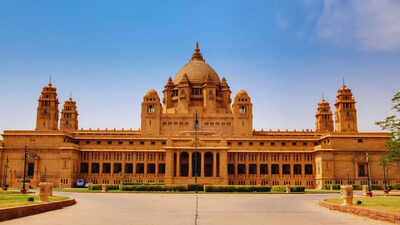
Umaid Bhawan Palace Owner: Who owns the iconic Umaid Bhawan Palace in Jodhpur and how did it become India’s most valuable private properties |


Who owns the iconic Umaid Bhawan Palace in Jodhpur and how did it become India’s most valuable private properties

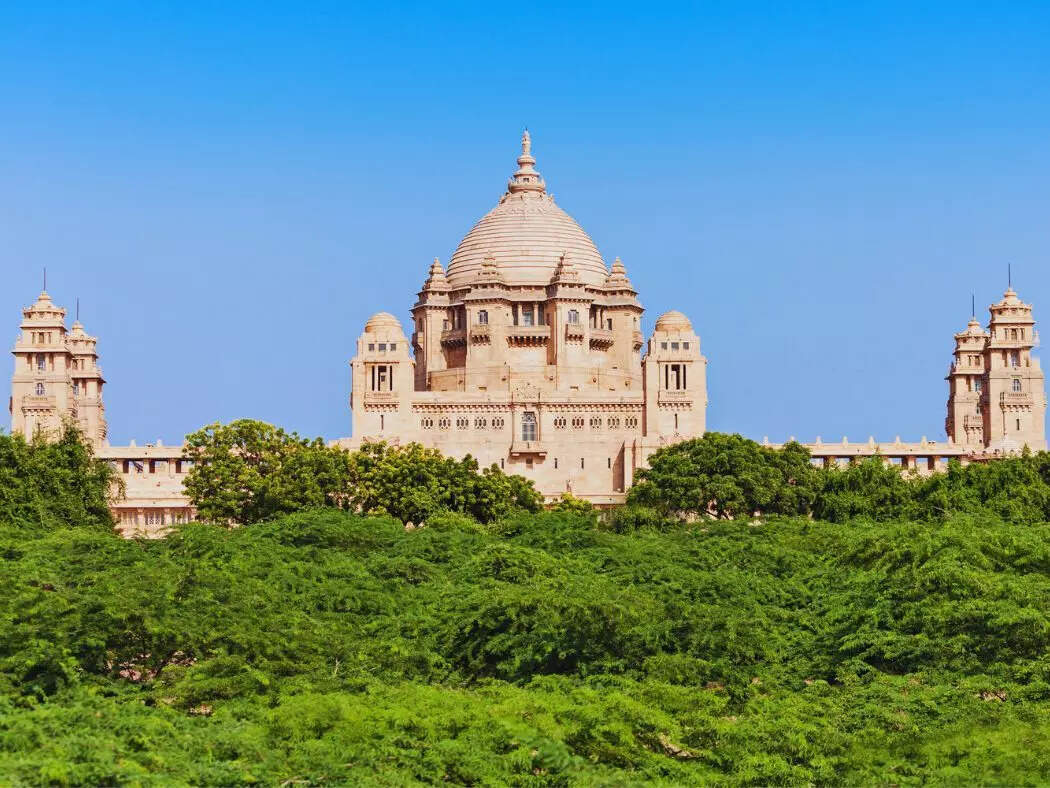
Umaid Bhawan Palace in Jodhpur, Rajasthan is an iconic property. It is not just a stunning architectural wonder but is also among the most valuable private residences in the world. Dating back to the early 20th century, the palace has been in the news for being the venue for some high profile marriages from Bollywood to Hollywood. Today, the palace is a living heritage estate and luxury hotel destination. But do you know who owns this valuable property and who resides here? Let’s find out:Origins and lineageMaharaja Umaid Singh of the Rathore dynasty commissioned the construction of Umaid Bhawan Palace in 1929. The palace was also conceived as a public works project to serve during drought and famine in the region. The palace sings the songs of Rajput glory and valour. Built in golden sandstone on Chittar Hill, the palace was completed only in 1943. And since then, it has been ruling the world of palaces in India. It is named after Maharaja Umaid Singh, the grandfather of the current head of the family. Who owns Umaid Bhawan Palace?Umaid Bhawan Palace is owned by Maharaja Gaj Singh II. He is the present Maharaja of Jodhpur (also known as “Bapji”). He inherited the palace as head of the Rathore dynasty. Though royal privileges in India were abolished in 1971, the family maintained ownership of the property.Estimated the market valueAs per several media reports, the estimated the market value of Umaid Bhawan at around ₹22,400 crore, making it one of the most valuable private real estate properties in India.Who lives inside Umaid Bhavan Palace?

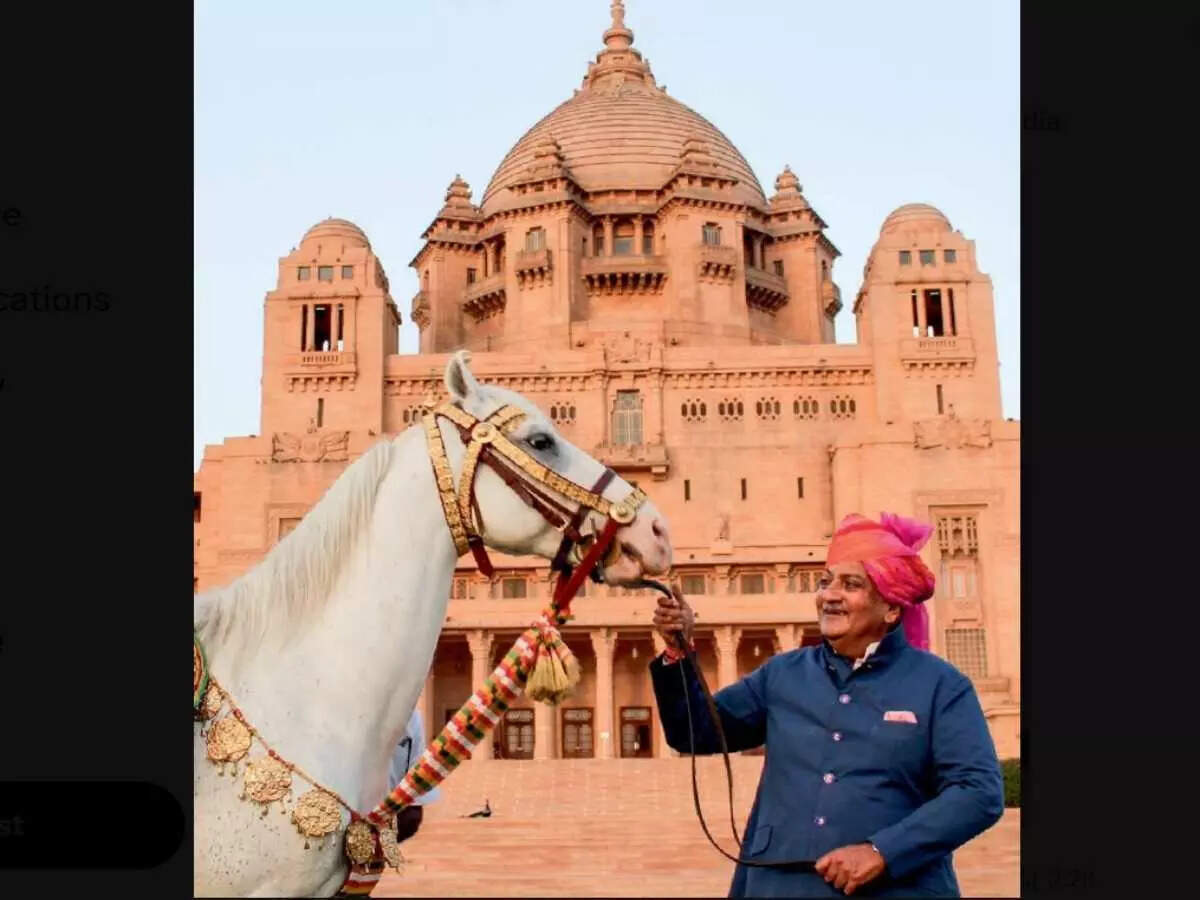
H.H. Maharaja Gaj Singh II of Marwar-Jodhpur.

X @oroyalarchives

The royal family continues to reside inside the palace, but a part of it has been turned into a hotel and public museum. The private quarters are home to Gaj Singh II and his immediate family members. Maharaja Gaj Singh II’s son, Shivraj Singh Rathore is the Crown Prince (Yuvraj) of Jodhpur. What makes Umaid Bhawan unique Umaid Bhawan is a perfect example of private residence and luxury property. Private Residence: A section of the palace serves as the private home of the Jodhpur royal family. Guests are not entertained here as it is a royal residence.

Umaid Bhawan

Canva

Luxury Hotel: A major portion of the palace, (70 of its 347 rooms) are turned into a luxury heritage hotel under the Taj Hotels. This venture was initiated by Gaj Singh II to generate revenue for the palace’s maintenance.Museum: There is another section that functions as a museum housing the royal family’s 20th-century history and classic cars, among others.Umaid Bhawan Palace is a rare case of royal legacy and modern real estate platforms. Owned by the royals, the palace is both a private residence and a globally recognised heritage asset.


Source link

“They can’t take no for an answer,” Foreign tourist shares his Agra experience and why it is a lesson for everyone |


“They can't take no for an answer," Foreign tourist shares his Agra experience and why it is a lesson for everyone

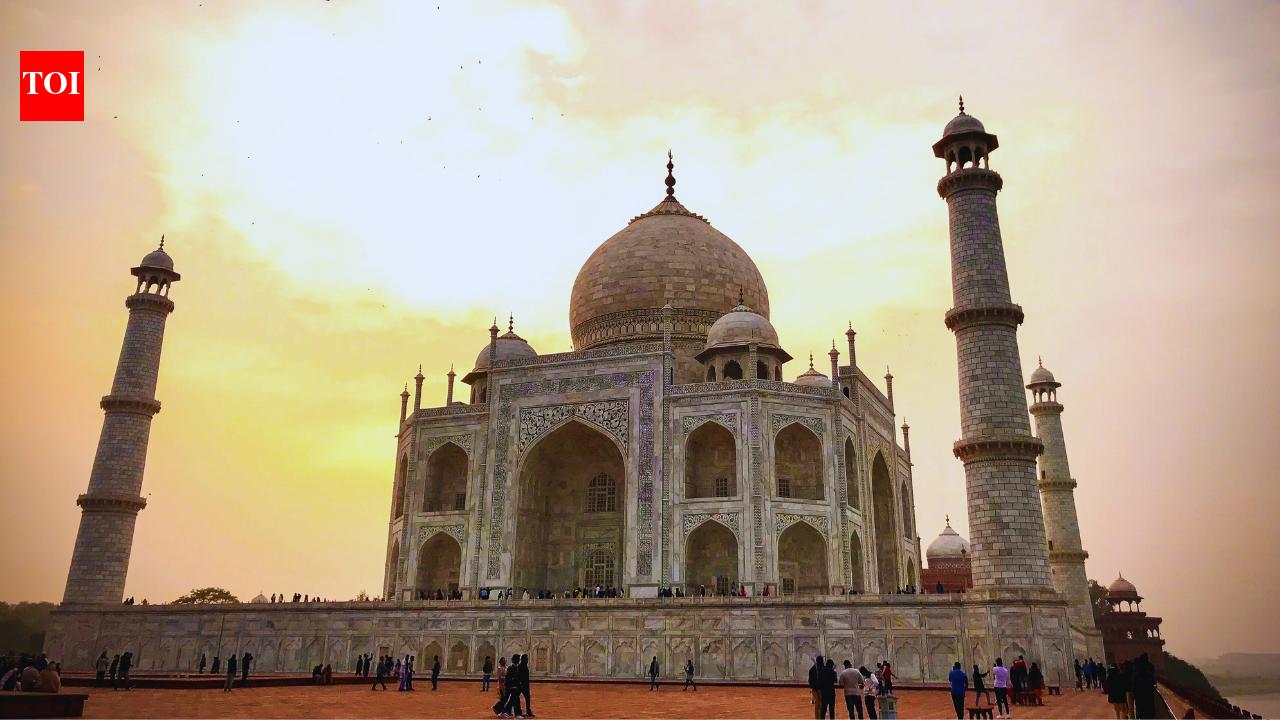
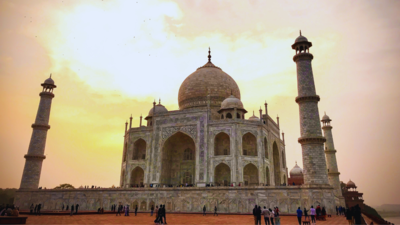
For many travellers, the Taj Mahal represents a once-in-a-lifetime milestone, which is also one of the most beautiful structures in the world. For many, it also serves as a stop on the journey to completing the New 7 Wonders of the World. The white marble monument often appears serene in photographs, framed by calm reflecting pools and soft morning light. A visit to this iconic place always feels overwhelming!But for one traveller, the road to that iconic view began with an overwhelming arrival.Sharing his experience with regard to his visit to Taj Mahal onReddit, he wrote, “I reached the New Delhi Train Station an hour before my departure time by 6 AM. I chose the Exec. Chair Car (EC) that cost 990.40 INR arriving in Agra Cantt at 7:50 AM. Once I stepped off Agra, I was literally bombarded with a lot of locals who can’t take no for an answer. I even walked 1km away from Agra Cantt and unbelievably the guy was still following me then another guy kept following me after that one guy gave up.

train

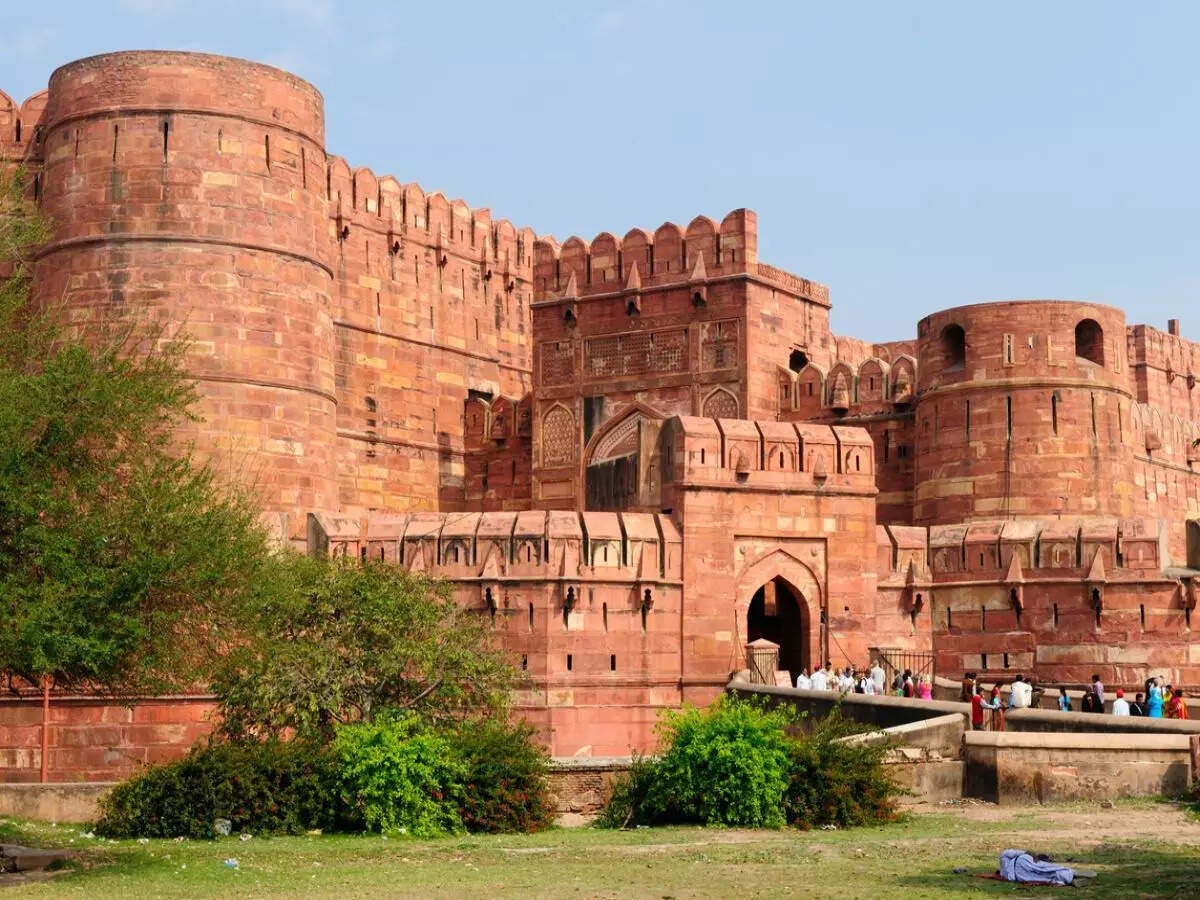
Continuing the account, the traveller explained that exploring Agra required little bit of firmness and quick thinking. One key lesson was sometimes telling persistent drivers that everything had already been pre-booked. “It was the easiest way to stop the upselling,” the Redditor noted. The travellers eventually reached Hotel Taj Resorts, located near the Taj Mahal complex. At first, their Uber driver insisted he could not drop them directly in front of the property. However, later that evening, another Uber had no issue doing exactly that, a small inconsistency that added to the confusion of the day.Read more: 10 tiger reserves in India with exceptional sighting records The hotel allowed early check-in, which the traveller described as a welcome relief. After breakfast, he took a swim and rested before heading back out to explore. On the way to Agra Fort, another ride-hailing hiccup occurred. The driver accepted the pickup request, but upon arrival claimed he needed to refuel and asked the traveller to cancel the trip. A cancellation fee was charged, though it was later refunded after being reported through customer service. At Agra Fort, the traveller chose to explore independently rather than hiring one of the guides stationed outside. “I think you can explore the area by yourself,” he admitted. Later, he met another tourist and wandered through local markets in search of a specific sweet shop that Google listed as open, though it turned out to be closed. Dinner followed at a nearby restaurant, with Zomato serving as their go-to for recommendations. The following morning was dedicated to the Taj Mahal. A guide was booked through the hotel reception, a decision the traveller later reconsidered. “In my opinion, I didn’t really need a guide,” they shared. They remained until about 9 AM before going back to the hotel to avoid the increasing heat of the sun. After breakfast and preparing to leave, they visited a nearby café with a view of the Taj before proceeding to Agra Fort railway station to take the train to Jaipur. The AC 3 Tier train ticket price was 595.40 INR, and the arrival in Jaipur in the evening resulted in a much more relaxed environment. Other travelers were cordial, with one man asking questions about life back home. The traveler handed out granola bars for the children, describing it as “one of the more authentic interactions of the trip.

Agra Fort

At Jaipur, a mistake in the booking at Moustache Jaipur was corrected upon arrival, despite the hotel being under renovation. That evening ended at a rooftop bar within walking distance, something the traveller noticed quickly became a recurring theme in the Pink City. At Hawa Mahal, a man offered to take their photo but attempted to steer them toward his shop afterward. Recognising the pattern by then, the traveller declined and instead headed to Tattoo Café for lunch with a view of the palace façade.On the final day, he boarded a First AC (1A) train back to Delhi, costing 1,355.40 INR. Only then did they realise there were designated waiting areas based on ticket class, having spent most of their time outside the station. While on the train, news came that their flight had been delayed by three hours, prompting them to book a small room near Delhi railway station to rest before heading to the airport.Read more: 22 countries currently under US ‘Do Not Travel’ advisory: Full list and what travellers should know The trip concluded with dinner in Connaught Place, biryani, fittingly, and a long queue at airport security. Reflecting on the journey, the traveller described India as a significant culture shock , even coming from a busy country themselves. Their primary goal had been to see the Taj Mahal as part of completing the New 7 Wonders of the World. While he acknowledged the challenges, he also emphasised the lessons learned.He says that the Golden Triangle may not be ideal for first-time solo travellers unless arranged through a tour agency. However, the experience, in their words, was unforgettable.Other practical notes shared in the Reddit post included using a 10GB eSIM purchased via Trip.com, relying primarily on cash, expecting tipping requests in many situations, and finding the Delhi Metro safe and convenient for getting around.


Source link

Rinku Singh–Priya Saroj love story: When Priya revealed her father wanted her to marry an IAS officer – and how they convinced him |


Rinku Singh–Priya Saroj love story: When Priya revealed her father wanted her to marry an IAS officer - and how they convinced him
Rinku Singh–Priya Saroj love story

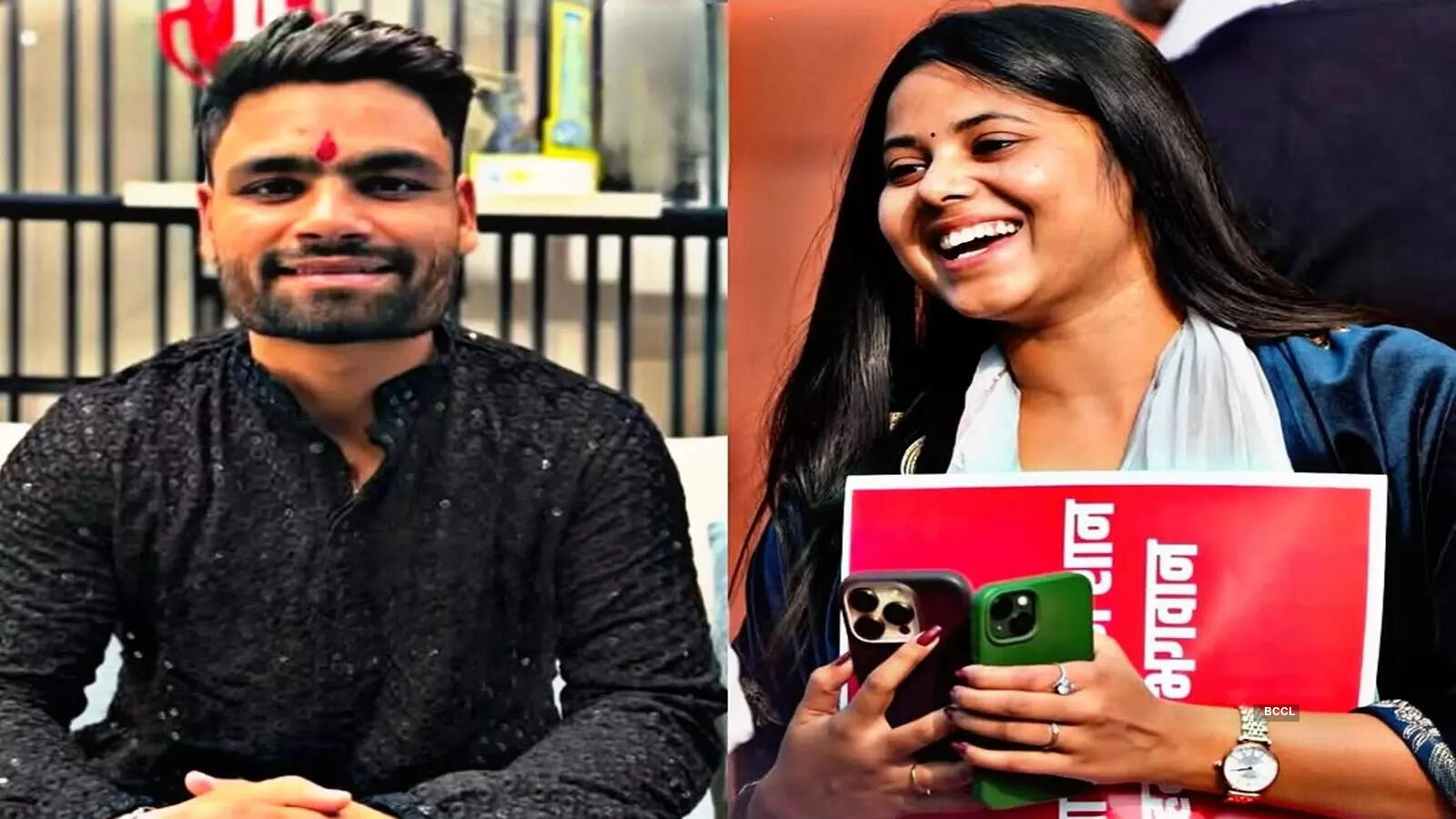
Rinku Singh, Team India’s ace cricketer, is stealing the show off-field too. His romance with Priya Saroj is pure Bollywood – think love at first sight, family drama, postponed weddings. After a few years of knowing each other, the couple got engaged on June 8, 2025, and they are set to get married this year.In an earlier interview with Pyaar Ki Adaalat (clips of which are doing the rounds on social media), the couple revealed their filmy love story – from how they met, to Priya’s father wanting her to marry an IAS officer, to eventually convincing their families. Let’s take a look at their heartwarming love story:

Insta sparks to love: The COVID-era meet-cute

Their love journey started during the COVID-19 lockdown. Priya’s sister’s clothing business needed promotions, and their mutual friends (a friend whose father was a cricketer) looped in Rinku.“Conversation started there, turned into friendship… then love,” Rinku revealed in a fun Insta video. Priya laughs that it was love at first sight for her – she “liked” his Instagram posts (okay, twice). Rinku teases: “She stalked, but I messaged ‘Hi’ first!”The couple further shared that for their first meeting, Rinku was four hours late, which prompted Priya to scold him. Not just that, Rinku jokingly recalled how Priya was dressed in a long dress and looked stunning, while he arrived in simple shorts. But, as fate would have it, sparks flew anyway.

Dodging marriage plans: “Papa was going to get me married to someone else…”

In the interview, Rinku shared that it was love at first sight for him and he proposed to Priya. But Priya’s father, Tufani Saroj, didn’t agree initially. So, for three years, they played the long game – Rinku worked hard to get selected for Team India, while Priya chased her dream of becoming a judge.No secret dates here. Early meetings were family affairs, just once every 3-4 months, the couple revealed.“Never dated alone,” Priya shared.In 2022, Priya revealed that her father, a three-time Member of Parliament, wanted her to marry an IAS officer and was looking for an arranged match. But she stalled it. Soon after, her brother called Rinku and asked if he would marry Priya, and Rinku’s answer was an instant “YES!”

Wedding rollercoaster: Twice postponed for cricket

Meet Rinku Singh's fiance Priya Saroj, the youngest woman MP

Meet Rinku Singh’s fiance Priya Saroj, the youngest woman MP

After years of knowing each other and receiving family approval, Rinku and Priya finally got engaged on June 8, 2025, in Lucknow. Their Varanasi wedding was set for November 18, 2025, but a cricket series cancelled it. Later, it was scheduled for February 2026, but again got postponed because of the T20 World Cup and the Indian Premier League.Now, the buzz is that their wedding will take place in June 2026 after the IPL. The ceremony will be held in Kashi, followed by a reception in Aligarh, reports suggest.

Rinku’s humble roots

From Aligarh, Rinku and his four brothers often helped their father deliver cylinders. In his struggling days, he practised cricket with a tennis ball at government stadiums. His mother always supported his cricket dreams – she once even paid his ₹1,000 tournament entry fee from her shop earnings.

Power couple alert

Rinku Singh and Priya Saroj’s union is an epic mix of cricket and politics. While Rinku is known for his on-field performance, Priya is a lawyer by profession and a Member of Parliament from Machhlishahr, representing the Samajwadi Party.Here’s wishing the couple many more years of love and togetherness.


Source link

Avalanche Derailes Train: Train struck by avalanche in Swiss Alps; several feared wounded: What we know so far |


Train struck by avalanche in Swiss Alps; several feared wounded: What we know so far

A passenger train was derailed early Monday morning after being struck by an avalanche near the Swiss village of Goppenstein in the canton of Valais, southwest Switzerland. Police said the incident likely resulted in injuries, though the full extent remains unclear as rescue operations continue.The derailment occurred at around 7:00 AM local time. Authorities in Valais confirmed on social media platform X that emergency services were deployed immediately.

@PoliceValais

@PoliceValais/X/Twitter

According to Swiss Federal Railways, the accident was triggered by an avalanche that hit the train along the RE1 line, which runs between Bern and Brig. Regional rail operator BLS said the incident took place in the Stockgraben Tunnel between Goppenstein and Hohtenn, beyond the Lötschberg Tunnel, a key rail corridor through the Alps, as per swissinfo.ch. The affected service was a RegioExpress train that had departed Spiez at approximately 6:12 AM and was heading south toward Brig when the avalanche struck. BLS reported that around 30 passengers were on board at the time of the derailment. Emergency response teams, including ambulances and helicopters, were dispatched to the scene to assist passengers and assess potential injuries. By mid-morning, dozens of passengers had been evacuated from the train carriages. Authorities have not released confirmed numbers of those injured, and investigations are ongoing. Train services between Goppenstein and Brig have been suspended, with disruptions expected to last at least until late afternoon. Delays and cancellations are expected on the affected routes, rail officials said. The Valais region has seen new snowfall and strong winds in the past few days, leading to heavy snow drifts. As the WSL Institute for Snow and Avalanche Research SLF explains, in such conditions, the risk of avalanches is high. They can be easily triggered or occur spontaneously. The Goppenstein area is famous for its avalanches during the winter season. The region’s topography, with high alpine slopes and high snowfall, makes it susceptible to avalanches. Before the accident, high avalanche warnings had been issued in the Swiss Alps. According to reports, rescue efforts will continue throughout the day as the teams make sure that all passengers are safely evacuated and assess the effects of the derailment. Further updates will be provided once the authorities complete their safety checks and gather more information about the incident.


Source link

Why Shah Rukh Khan calls his kids his “biggest critics” |


Why Shah Rukh Khan calls his kids his “biggest critics”
Shah Rukh Khan recently shared insights on the influential role of parenting in his life, affectionately referring to his kids as his ‘North Star’ and his ‘most honest evaluators.’ He conveyed the importance of creating lasting memories over chasing awards, drawing a beautiful comparison to The Lion King’s timeless message.

Shah Rukh Khan spoke with rare honesty about parenting, legacy, and the role his children play in shaping him in an interview with SCREEN. After a four-year break that followed the lukewarm response to Zero in 2018, the actor returned with major releases such as Pathaan, Jawan, and Dunki. But he makes it clear that the real shift did not happen on a film set. It happened at home.During the pandemic, like many families across the world, he found himself spending uninterrupted time with his children, Aryan, Suhana and AbRam. That pause changed the pace of life. It also changed perspective. He describes his family as his “North Star.” Not as an emotional slogan, but as a daily compass.

“My children are my biggest critics”

Many parents assume children need guidance. What goes unnoticed is that children also guide their parents.Shah Rukh Khan says his children are his “best critics.” That statement carries weight. In an industry where applause is constant and fame can blur judgment, honest feedback at home matters. Children do not respond to box office numbers. They respond to authenticity.When a parent allows children to question, critique, or disagree, it builds mutual respect. The relationship stops being hierarchical and starts becoming collaborative. Children feel heard. Parents stay grounded.That balance prevents distance. It keeps conversations open. And it ensures that success outside does not create silence inside the home.

Legacy beyond awards and records

For many public figures, legacy is measured in trophies and numbers. But he speaks of legacy in simpler terms, shared memories and values.He explains that achievements alone do not define what remains. The real inheritance lies in everyday moments: family movie nights, shared laughter, and quiet lessons that stay long after the spotlight fades.This belief connects deeply with his involvement in The Lion King, where he voiced Mufasa and his son Aryan voiced Simba. Later, his younger son AbRam lent his voice to young Mufasa in Mufasa: The Lion King.

Shah Rukh Khan

The story itself revolves around responsibility, growth and the “circle of life.” For him, that message mirrors parenting. A parent prepares a child for a world where guidance will not always be physically present.That awareness often begins with a simple truth: children are not extensions of their parents. They are individuals walking their own path.

Giving freedom without withdrawing love

The actor lost his father at the age of 15. That early loss shaped his understanding of love and independence. He recalls how his father never hesitated to show affection. At the same time, he hopes to guide his own children while allowing them space to explore. This is not an easy balance. Overprotection limits growth. Total detachment creates insecurity. Healthy parenting sits in between.Children need two things at the same time: a safety net and open skies. When parents offer both, children learn confidence without fear.Aryan recently made his directorial debut with The Ba***ds of Bollywood. Suhana is set to star alongside her father in the upcoming film King. These steps reflect freedom with support, not pressure with expectation.Voice acting for The Lion King became more than a professional project. It became a shared experience.He admits that while he showed his children the ropes in the recording studio, they also opened his eyes to new perspectives. Curiosity works both ways.When parents collaborate with children, whether through art, sport, or simple hobbies, the power dynamic softens. The relationship shifts from instruction to interaction.Creative partnerships reduce generational gaps. They create shared language. And most importantly, they build memories that feel earned, not scheduled.

The sea, humility and perspective

Years before fame, he arrived in Mumbai with hope and uncertainty. He stood by the sea, reflecting on who he wanted to become.Today, he lives at Mannat, facing the same Arabian Sea. But the sea remains constant. It humbles.He describes it as a reminder that not everything needs to be controlled. For parents, this lesson holds value. Children cannot be scripted. They cannot be perfectly planned.Parenting demands dreams, but it also demands surrender. When parents accept that they cannot shape every outcome, they build healthier relationships. Control reduces trust. Perspective increases it.Children notice when parents are distracted. They also notice when parents listen. A grounded parent raises grounded children.Disclaimer: This article is based on an exclusive interview given by Shah Rukh Khan to SCREEN. All statements attributed to the actor are drawn from that published interview. The content is presented for informational and reflective purposes.


Source link

Why Gen Z scores lower: What should parents pay attention to


Why Gen Z scores lower: What should parents pay attention to
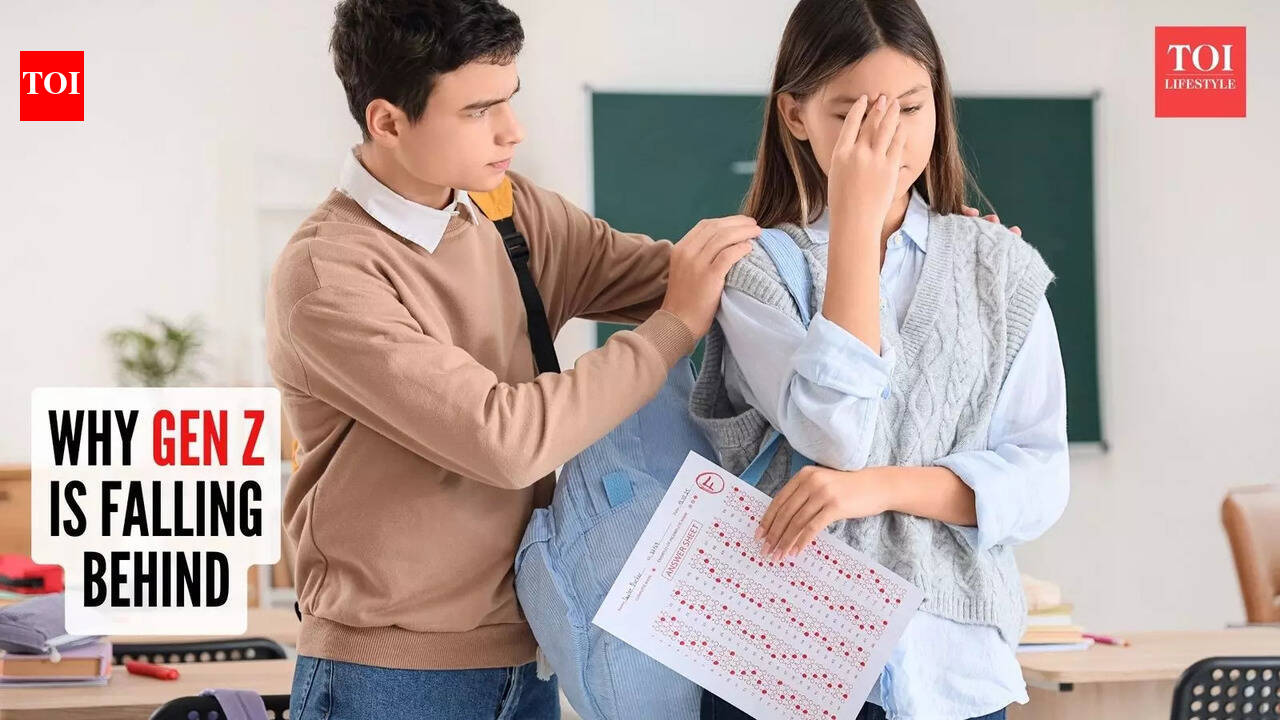
The emergence of Gen Z has brought a surprising challenge: a decline in academic performance, unprecedented in recent history. As students spend more time glued to screens, they often forgo the deep, immersive learning that strengthens cognitive abilities. Neuroscientist Dr. Jared Cooney Horvath emphasizes that this digital distraction hampers essential skills like attention and problem-solving.

In recent years, a sharp claim has unsettled educators and families. According to neuroscientist Dr Jared Cooney Horvath, Generation Z is the first modern generation to score lower than the one before it. The statement gained weight when Horvath submitted formal testimony to the US Senate Committee on Commerce, Science and Transportation in January. The concern is not about laziness or lack of effort. It is about how children are learning, and what constant screens may be doing to young brains.

The first generation to break the upward curve

For more than a century, each generation improved on academic measures like reading, memory, and problem-solving. That pattern stopped with Gen Z, those born between 1997 and the early 2010s. Horvath’s analysis of global test data shows declines across attention span, literacy, numeracy, executive function, and even overall IQ. This matters because these skills shape not just school success, but daily decision-making and emotional control.

When learning became skimming

One core concern is how information reaches children today. Short videos, bullet points, and summaries now replace long chapters and slow reading. Horvath argues that the human brain is not built to learn this way. Deep learning needs time, repetition, and effort. Skimming trains the brain to jump, not to stay. Over time, this weakens memory and reduces the ability to solve complex problems without help.

Gen Z

Gen Z Employment

Screens everywhere, focus nowhere

Teenagers today spend more than half their waking hours looking at screens. That includes schoolwork on tablets and laptops, followed by social media and short-form videos at home. Horvath, who has taught at Harvard University and the University of Melbourne, stresses that learning works best through human interaction and sustained study. Screens offer speed and convenience, but they rarely demand mental effort.

Reading is fading, and the effects show early

Independent research supports this worry. A 2024 survey by the National Literacy Trust found that only one in three children enjoys reading in free time. Just one in five reads daily. A study from the journal iScience showed daily reading has dropped by over 40 percent in two decades.

Is technology the villain, or how it is used?

Horvath does not call for banning technology. He describes himself as “pro-rigour,” not anti-tech. His argument is simple. When digital tools replace effort, learning drops. Across 80 countries, once schools adopted heavy digital learning, performance declined. This pattern appears again and again in global data. Horvath’s work through LME Global focuses on bringing research back into classrooms, with fewer screens and more thinking.

Can this trend be reversed for future children?

Experts believe change is possible, but it needs adult guidance. Children need books, boredom, and time to struggle with ideas. Limiting screens during learning hours, encouraging reading aloud at home, and valuing effort over speed can help rebuild focus. The goal is not to go backward, but to balance tools with discipline.Disclaimer: This article is based on publicly reported research, expert testimony, and media coverage, including reports cited by outlets such as the New York Post. The findings reflect ongoing debates in education and neuroscience and should be understood as part of a broader discussion, not a final judgment on an entire generation.


Source link

Sober, smoky, or something in between? Why Gen Z is ditching booze but not the buzz


By the time previous generations reached their early twenties, drinking was practically a personality trait. House parties, blurry nights, dramatic hangovers, rinse and repeat. For Gen Z, however, alcohol is no longer compulsory. In many circles, it is optional, unfashionable, or simply “not needed.”

Pinterest | Dry bars, zero-proof beers, curated mocktails and sober social events are gaining traction.

Image credit : Pinterest | Dry bars, zero-proof beers, curated mocktails and sober social events are gaining traction.

The end of the boozy rite of passage

Across India and globally, surveys show that young adults are drinking less and smoking more. The binge-drinking culture that once defined youth is steadily losing its shine. Social media permanence, mental health awareness, and a desire for control have made reckless intoxication less appealing. For a generation that documents everything, the fear of one drunken mistake living online forever is real.

The rise of the ‘sober curious’… sort of

The phrase “sober curious” has become a quiet flex. Some even call themselves “California sober,” meaning they avoid alcohol but may not abstain from everything else.

While alcohol consumption dips, alternatives have entered the chat. Vapes, e-cigarettes, cannabis, THC-infused drinks and traditional forms like bhang during festivals have become part of youth culture conversations. Tetrahydrocannabinol, or THC, the psychoactive compound in cannabis, is often marketed as offering a buzz without the brutal hangover.

Freepik | For Gen Z, however, alcohol is no longer compulsory. In many circles, it is optional, unfashionable, or simply “not needed.”

Image credit : Freepik | For Gen Z, however, alcohol is no longer compulsory. In many circles, it is optional, unfashionable, or simply “not needed.”

Several public health researchers have observed that young people today appear to be making more deliberate choices about intoxication and identity. In other words, they are not necessarily rejecting substances altogether; they are being selective about what fits their lifestyle.

A cultural shift, and not a clean break, definitely!

Dry bars, zero-proof beers, curated mocktails and sober social events are gaining traction. Not drinking no longer requires a dramatic backstory or justification. That alone marks a significant cultural shift.

At the same time, experts caution that swapping one substance for another is not inherently harmless. Reduced alcohol harm is a positive development, but the broader health implications depend on frequency, regulation and awareness.

Freepik | oung people today appear to be making more deliberate choices about intoxication and identity.

Image credit : Freepik | oung people today appear to be making more deliberate choices about intoxication and identity.

Gen Z is clearly rewriting the script even in this field, because for them, the party has not ended. It has simply changed shape. The question now is whether this new era of “informed choices” truly prioritises long-term wellbeing, or just replaces one vice with another.


Source link

From scandal to couture: The day Epstein entered Hermès


From scandal to couture: The day Epstein entered Hermès
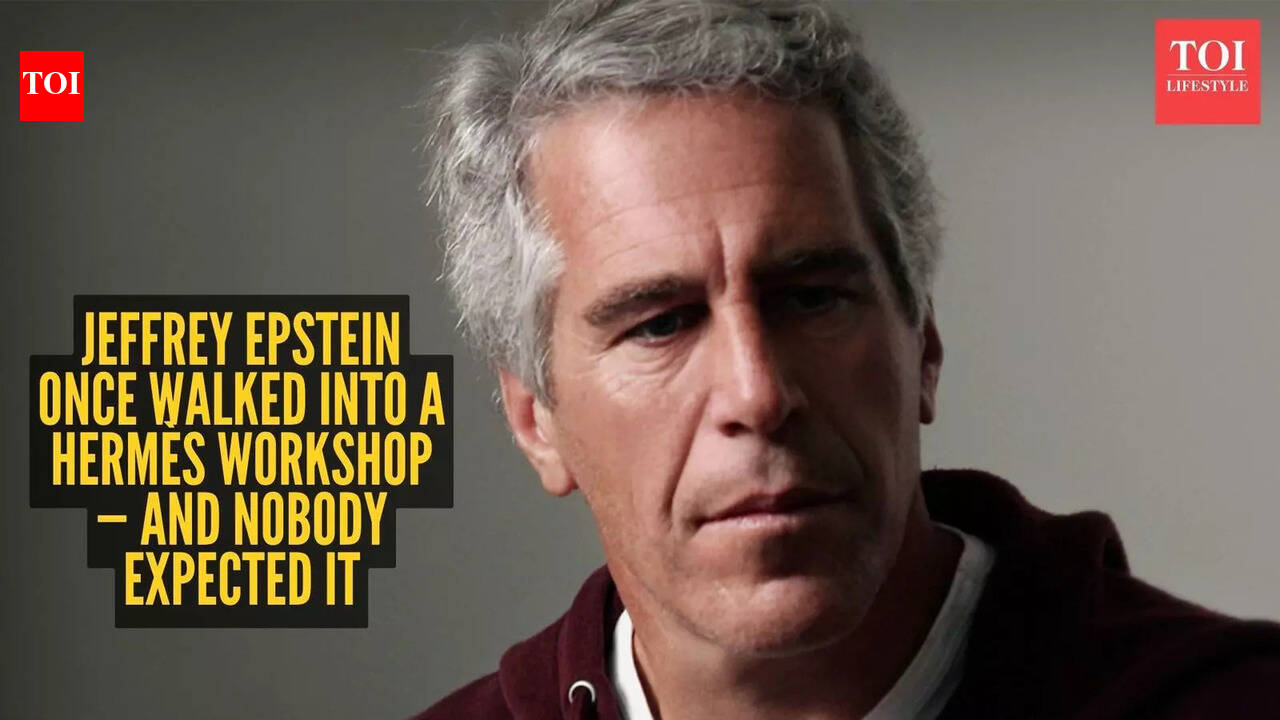
Hermes, a luxury brand, guards its image fiercely. A past visit by Jeffrey Epstein to an Hermes workshop highlighted the brand’s strict control over its associations. The company prioritizes discretion and reputation over potential business. This careful curation of its social circle preserves its exclusive mythology in a world increasingly obsessed with access and visibility.

Luxury fashion likes to project a very specific illusion: calm ateliers, quiet craftsmanship, lineage and heritage untouched by chaos. The world of haute leather and silk scarves exists, at least visually, far from tabloids and courtroom drama. But occasionally the outside world walks straight through the workshop doors.More than a decade ago, during what should have been a routine visit to one of the most guarded creative spaces in Paris – an Hermès leather atelier – an unexpected guest arrived alongside a group of high-profile visitors. The moment was brief, awkward, and largely forgotten at the time. Years later, it resurfaced through newly released documents, turning a quiet industry anecdote into an uncomfortable cultural footnote.At the centre of that story is Axel Dumas, the sixth-generation heir running Hermès, and a man whose leadership philosophy revolves around keeping the brand deliberately slow, private and insulated from spectacle.And then there was Jeffrey Epstein – a figure who represented the exact opposite of that philosophy.

A house built on discretion

To understand why the encounter felt so jarring inside fashion circles, you first have to understand Hermès itself.Unlike most global luxury giants, Hermès never chased expansion at the speed of demand. The brand became famous not by producing more, but by producing less – fewer bags, fewer stores, fewer public appearances. Waiting lists became part of its mythology. Silence became its marketing strategy.Where many houses operate like global corporations, Hermès still behaves like a family workshop that accidentally became a multinational empire.So when visitors enter an atelier, they usually do so quietly. Carefully selected journalists, select clients, occasionally artists. Not financiers known for cultivating influence networks.Which is why Dumas later described the moment with blunt simplicity: the visitor had essentially arrived uninvited.

The 2013 workshop visit

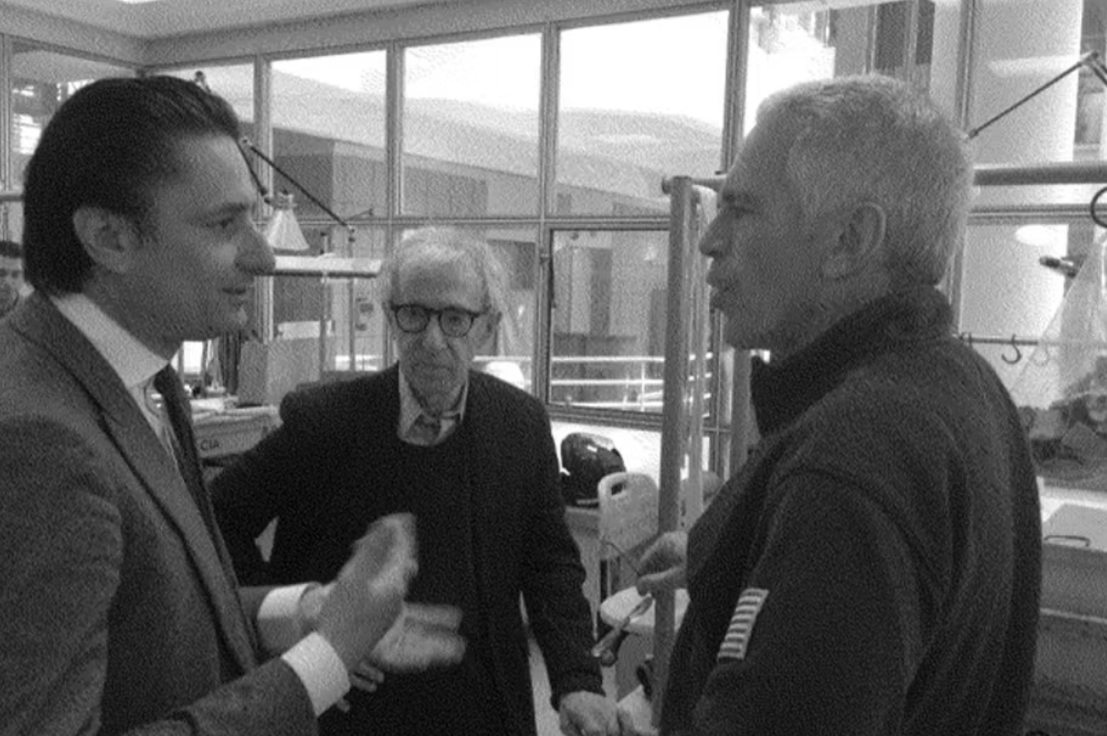
The visit took place in March 2013, just outside Paris, during a group tour that included filmmaker Woody Allen. According to Dumas, the controversial financier was not scheduled – he simply arrived with the group.Fashion insiders would later describe the situation as socially awkward rather than dramatic. No confrontation. No spectacle. Just the kind of polite distance the French luxury world specialises in when encountering people it does not wish to engage with.

Screenshot 2026-02-16 092905

Dumas would later explain that he had previously declined multiple meeting requests and had no intention of forming a relationship.In other words: proximity, not association.The earlier refusal: a private jet and a boundaryThe most telling detail surfaced from an earlier year.In 2012, the company had reportedly been approached to decorate a private aircraft interior, the kind of ultra-bespoke project luxury houses sometimes accept for top clientele. Hermès declined. In luxury culture, refusals speak loudly. Brands rarely say no to money – they say no to context.At the time, Hermès leadership was already navigating an intense corporate battle against LVMH, which had quietly accumulated shares in the family-controlled house. The attempted takeover triggered paranoia, loyalty checks and heightened awareness about who was circling the brand.Dumas was young in leadership then, protective and cautious. The last thing the company wanted was another powerful outsider inserting themselves into its orbit.

Who Jeffrey Epstein actually was – and why his presence felt different

Before his criminal case became globally infamous, Epstein operated within elite financial and social circles across New York, London and Paris. He cultivated relationships with politicians, academics, billionaires and celebrities — often positioning himself as a connector rather than a traditional financier.He did not build a conventional investment firm empire in the way Wall Street figures typically do. Instead, his influence came from proximity to power: private gatherings, introductions and curated networks of wealthy individuals. This mattered in the context of fashion.Luxury brands survive on access – but carefully controlled access.There is a difference between wealthy clients and socially strategic operators.Inside couture culture, reputation functions like currency. Once a brand becomes associated with the wrong type of attention, distance becomes nearly impossible to rebuild. So houses like Hermès historically maintain strict social boundaries – even more than financial ones.By the early 2010s, Epstein already carried a controversial reputation in certain elite circles, long before his later arrest turned him into a global headline. For a brand built on generational trust, caution came naturally.

Why fashion houses guard their social circles

To outsiders, it may seem strange that a single unexpected visitor could matter. But fashion isn’t just design, it’s signalling.Luxury clients aren’t only buying leather or silk. They’re buying belonging to a cultural ecosystem: dinners, art patronage, private viewings, quiet prestige. The wrong association risks transforming exclusivity into spectacle.This is why heritage brands:rarely dress everyonequietly refuse certain collaborationslimit celebrity partnershipsand avoid overtly transactional relationshipsHermès, more than most, operates on social filtering.Not everyone wealthy fits the brand’s definition of luxury.

The tension between wealth and taste

The story also reveals a deeper truth about fashion: money and cultural acceptance are not identical.Some of the richest individuals in the world still struggle to enter certain legacy spaces – art patronage circles, old European maisons, heritage ateliers because those worlds operate on continuity, not only capital.Fashion historians often describe this as the difference between economic capital and cultural capital.Hermès historically protects the latter.So the workshop visit became symbolic – not scandalous, but illustrative – of how tightly controlled those spaces remain, even in a globalised era.

A brief moment, a long shadow

At the time, the encounter barely registered publicly. Years passed. Fashion continued its cycles – collections, handbags, waiting lists.Only much later, when large batches of legal documents became public, did the photo resurface and prompt questions. The image itself showed nothing remarkable: people standing in a workshop.Yet context transforms images.Dumas clarified the circumstances: no planned meeting, previous refusals, and deliberate distance. Within fashion circles, the explanation aligned with what insiders expect from a house like Hermès – polite acknowledgement paired with firm boundaries.

What the incident says about modern luxury

The episode highlights how the luxury industry has changed.In earlier decades, fashion often welcomed powerful patrons unquestioningly. Today, reputation risk travels faster than exclusivity can repair. Social media collapsed the barrier between private elite networks and public perception.Modern luxury therefore filters not just aesthetic collaborations but social ones. Heritage brands increasingly act less like sellers and more like curators of association.

The paradox of privacy in a visible world

Hermès built its identity on quietness – yet the digital age archives everything. Even accidental proximity can be rediscovered years later and reinterpreted.The atelier visit wasn’t significant because of what happened inside it. It mattered because luxury no longer controls narrative timing. Moments once forgettable now live permanently online.

Fashion’s unwritten rule: Distance is also branding

In the end, the story isn’t really about a single visitor or a single day. It’s about how legacy fashion houses maintain aura in a world obsessed with access.Saying yes builds business.Knowing when to say no preserves mythology.Hermès has survived nearly two centuries by choosing the latter more often than the former.And sometimes, maintaining that identity simply means keeping interactions brief, polite – and unmistakably limited.In luxury, the most powerful statement is rarely who enters the room. It’s who doesn’t stay.



Source link