Gurugram man with rare gastrointestinal stromal tumor, dangerously low BP underwent successful robotic surgery |


Gurugram man with rare gastrointestinal stromal tumor, dangerously low BP underwent successful robotic surgery

Medical emergencies don’t usually come with much warning. One moment everything feels manageable, and the next, the body starts giving serious signals that something is very wrong. This case began that way. A young man from Gurugram arrived at the emergency department feeling weak and dizzy, passing black stools, and struggling with a sudden drop in blood pressure. What looked like severe weakness turned out to be a life-threatening internal bleed, Dr. Vinay Samuel Gaikwad , Director Surgical Oncology, Fortis Hospital Manesar shared. His hemoglobin levels had fallen dangerously low, and his blood pressure was at a point where even a short delay could have been fatal. His blood pressure was dangerously low at 80/40.The cause was a rare stomach tumor called a gastrointestinal stromal tumor, or GIST. These tumors aren’t common, and when they bleed, they can do so quietly and aggressively. By the time symptoms become obvious, the situation is often critical. In this case, the patient was unstable and needed immediate intervention, not prolonged tests or conservative treatment.This case study looks at how advanced surgical technology changed the narrative around a medical emergency.

Partial Robotic Gastrectomy

Procedure:

  • Robotic access: The surgeon makes four to five small incisions (around 1-2 cm) to insert a high-definition camera and wristed robotic instruments.
  • Precision resection: Sitting at a console, the surgeon directs the robot to separate the tumor and the affected part of the stomach from surrounding organs like the liver and pancreas.
  • Stapling and connection: A specialized stapling device or robotic sutures are used to seal the stomach and reconnect it to the digestive tract.
  • Advantages: Because the robot translates the surgeon’s movements with extreme precision and provides a 3D view, it allows for “organ-preserving” surgery, removing only the tumor with a small margin of healthy tissue
  • The procedure: Using the Da Vinci Xi robotic system, surgeons performed a high-precision resection of the tumor in the stomach. Robotic surgery offers superior visualization and dexterity, which is crucial when operating on a bleeding tumor in a hemodynamically unstable patient.
  • Outcome: The impact was instantaneous. The internal bleeding stopped the moment the tumor was resected. By the following morning, the patient’s vital signs had stabilized without the need for further emergency intervention. He began eating on day two and walked out of the hospital on day three with a normal heart rate and blood pressure. For this young man, robotic technology was the difference between a fatal emergency and a three-day hospital stay.



Source link

Why the first two years of parenting may decide a child’s future health |


Why the first two years of parenting may decide a child’s future health
Recent research has shed light on the profound influence of early father-child relationships on a child’s long-term heart and metabolic wellness. Involved fathers who actively engage with their infants not only enhance parenting cooperation but also create a foundation for healthier outcomes, including lower inflammation and improved blood sugar levels as the child reaches age seven.

Parenting is discussed in terms of emotions, habits, and values. But a 2025 study published by the American Psychological Association suggests something deeper. Early parenting may shape a child’s physical health in measurable ways, years later. The study looks closely at how parents interact with each other and with their child during the first two years of life. It then connects those moments to health markers seen when the child is about seven years old. And the findings are much more important to discuss. Parenting leaves traces not just on the mind, but also on the body.

What this study set out to understand

The researchers wanted to know whether early parenting patterns predict later cardiometabolic health in children. Cardiometabolic health includes factors linked to heart disease, diabetes, and inflammation. The study followed 292 families, each with a mother, father, and child. These families were part of the Family Foundations trial, a programme designed to strengthen coparenting among first-time parents.

Mindful parenting: Cultivating emotional intelligence in kids

Parenting behaviour was observed at two stages: infancy at 10 months and toddlerhood at 24 months. Later, when the children were around 7 years old, researchers measured 4 biological markers. These were C-reactive protein, interleukin-6, total cholesterol, and glycated haemoglobin. Together, these markers give clues about inflammation and long-term metabolic health.

Why fathers’ early involvement stood out

One of the most striking findings focused on fathers. Fathers who showed sensitive engagement with their babies at 10 months were less likely to show competitive or withdrawn behaviour in coparenting by 24 months. This matters, and the reason is that, competitive-withdrawn coparenting refers to patterns where parents undermine each other or emotionally step back instead of working as a team.Children in families in which fathers avoided this pattern showed lower levels of C-reactive protein and HbA1c at age 7. It is a well-established fact that these two markers are linked to inflammation and blood sugar regulation. Lower levels suggest a healthier long-term outlook. The study did not find the same pattern when looking at mothers, which makes the father-child dynamic especially important here.

How coparenting quietly affects a child’s body

Coparenting is often treated as a relationship issue between adults. This study shows it may also be a health issue for children. When parents compete, withdraw, or fail to support each other, stress levels within the home may rise. Over time, chronic stress can influence how a child’s body manages inflammation and metabolism.The study found that fathers’ coparenting behaviour at 24 months explained the link between early father engagement and later child health. In simple terms, early sensitivity shaped better teamwork later, and that teamwork shaped healthier outcomes for the child. This pathway highlights how daily interactions can ripple forward for years.

What this means for everyday parenting

The results move the focus to presence rather than perfection. Observing a baby’s cues, reacting calmly, and remaining emotionally available are all components of sensitive interaction. Fathers’ parenting roles may be shaped by these experiences, particularly during the first year.

Why this research matters for the future

This study adds to growing evidence that early life experiences shape long-term health. It also expands the conversation around prevention. Reducing future health risks may not begin with diet charts or exercise plans. It may begin with how parents relate to each other and their child during the earliest months.For healthcare professionals and policymakers, the findings support investing in programmes that strengthen coparenting and encourage positive paternal involvement. For families, the message is gentle but clear. Early emotional care can become a form of quiet protection for a child’s future health.Disclaimer: This article is for informational purposes only and is based on findings from a single scientific study. It does not provide medical or parenting advice. Health outcomes are influenced by many factors, and individual experiences may vary.


Source link

“The villagers…they still believe that U Thlen will shape-shift into anything”: How my Mawsynram trip gave me mini nightmares |


Villagers still believe U Thlen can shapeshift into any form: A nightmare from my Mawsynram trip
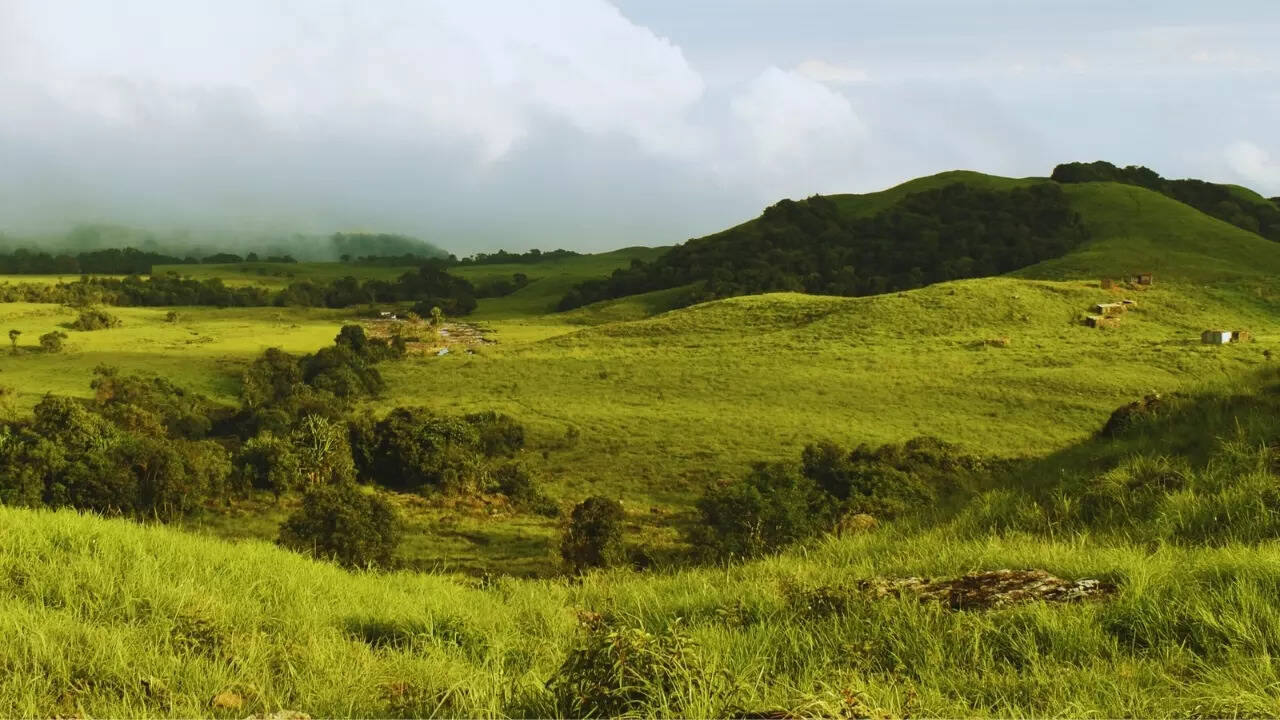
Scenic evening in Meghalaya

“The villagers will not openly talk about U Thlen. The oldies will whisper about Thlen and that’s the best one can get out of them. You see, they still believe that U Thlen will shape-shift into anything, catch hold of them, and suck their blood dry”...whispered my college-friend and guide Tash as I moved uneasily in my little wooden stool. Both the story and the fact that I was sitting on a stool made for a child gave our late night chit chat by the fireplace that extra dose of drama. That cold January night in Mawsynram was a night to remember. We all love a good travel story every now and then. I have travelled to over 25 states in India, sometimes exploring the wilderness, sometimes checking out food and clothes, and most of the time hunting for souvenirs. But my Mawsynram trip had none of these fun side quests.

Hillocks in Meghalaya

Hillocks in Meghalaya

Some of my friends from the US were visiting Delhi, and one of the get-togethers over pizzas and soups led to us deciding to go check out Meghalaya. The focus was to go see what Mawsynram, the wettest place in the world, looked like. Well, let me tell you. The wettest place in the world, in January, was as dry as it can be. We met up with my friend from college who agreed to be our guide, mainly because she was already working there and knew the lay of the land.The drive from Shillong to Mawsynram was one of the prettiest ones I have ever seen. Rough, yes. But no one even remembered to crib about the bumps and jolts when the view from the passenger seat was drop-dead-gorgeous. Our Google Maps told us that the distance between Shillong and Mawsynram was approximately two hours. But the road made it three and half hours for us.

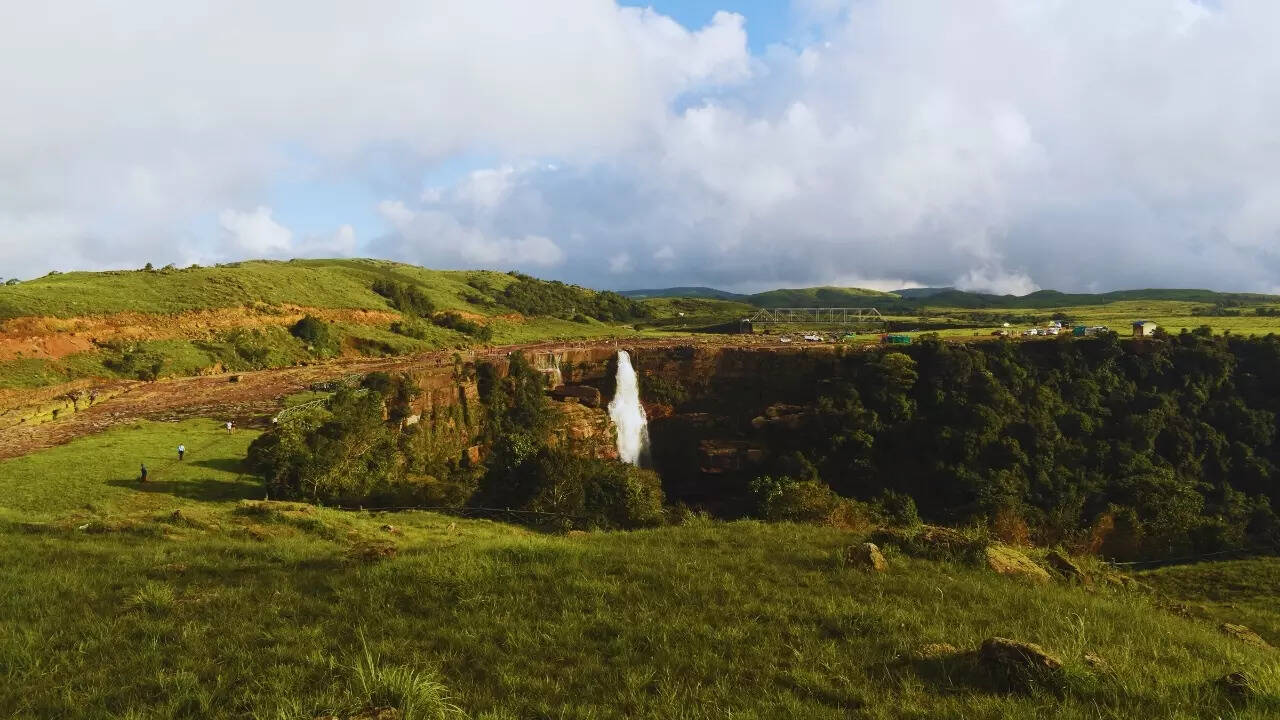
Dainthlen Falls

Dainthlen Falls

We didn’t see a bustling town, no crowd anywhere, no incessant traffic and horns, but what lay in front of us was an endless stretch of gentle rolling hillocks, with a smattering of a pine grove or two. The brown in front of our eyes stretched as far as our eyes could see. Our view was disturbed by just a couple of houses in one corner, a shop or two in the other, and children playing with their wooden “cars” with wooden wheels. The scene was so idyllic and happy, when all of a sudden the shrill voice of a local Khasi woman broke our reverie. She was calling her children indoors as it was getting late. It was 4pm. She was also our host for the night. As we watched the children hurry indoors, my friend Tash told us, “We should go in. I’ll explain inside.” Sat by the fire, Tash began telling us one of the most interesting stories we’ve heard till now. So the villagers believed in the existence of a malevolent entity called U Thlen, a shape-shifting giant serpent who would give immeasurable wealth and good fortune in exchange for blood sacrifice. Don’t get me wrong, U Thlen is both feared and revered in Khasi folklore. The legend of U Thlen, as they liked to call it.

The legend of U Thlen

U Thlen, the gigantic, man-eating serpent or demon-like creature, once terrorised the Khasi Hills. The serpent demanded human sacrifices, and in return, it granted wealth and prosperity to those who worshipped it. Over time, society progressed, but the shadow of U Thlen somehow lingered…is what some thought. You see, there were still families who firmly believed that some people secretly continued offering sacrifices, feeding the creature in exchange for riches. So over time, U Thlen became a symbol of greed, fear, and moral corruption, from a feared and revered entity. U Thlen represented how prosperity gained through cruelty ultimately destroys society. Some believed that if U Thlen got one’s piece of clothing or hair or basically anything, it would shape-shift, catch hold of them and suck one’s blood dry. Villages lived in fear, and any disappearances were often attributed to U Thlen’s hunger. So the locals preferred their little ones safe at home before the sun sets.“But what happened to U Thlen?” the four of us voiced out in our own ways and accents.

How U Thlen was defeated

In one of the most widely told versions of the story, the Khasi people sought help from a clever and courageous man who devised a plan to kill the monster. U Thlen was tricked into consuming lime (calcium oxide), chuna in local terms, a substance commonly used with betel nut. When the creature swallowed it and drank water afterward, the lime reacted violently inside its body, causing immense heat and ultimately killing it. But wait, the end was not that simple.

Rock formations near Dainthlen Falls

Rock formations near Dainthlen Falls

The unexpected twist!

After U Thlen’s death, its massive body was said to have been dragged and thrown over a cliff, where it crashed onto the rocks below. The place where the body fell, and later cut up to pieces, came to be known as Dainthlen Falls. Ring any bell? This is one of the most popular waterfalls in Meghalaya, famous for its crater-like surface. As per the local legends, those craters were the places where the pieces fell. Well, now I’d like to request the readers to give creativity some space. So some, this may sound absolutely absurd, and to some “excellent stuff.” We took it as one of the coolest stories we have heard in a long time, and definitely one of the best travel stories we can tell people, like I am doing right now. The name Dainthlen is believed to derive from the Khasi words dain (to cut or slay) and thlen (the serpent), literally meaning “the place where Thlen was slain.”If you let them, the locals will point out large rock formations near the falls that are believed to bear marks left by the serpent’s body. I sat by the fireplace, sipping hot red tea, occasionally getting spooked by the brush of the family’s cat tail, and feeling the look of disdain from a four-year-old whose wooden stool I had hijacked that cold evening. I looked at my American friends, listening intently, and letting out correctly placed gasps. I wondered if they understood anything that day. But one thing I knew, they had one-of-a-kind travel experience in one of the remotest places one could find in our beautiful Northeast. Travel. Gather stories. Repeat.


Source link

Why nobody wants to be the boss anymore: The rise of ‘Conscious Unbossing’ in 2026 |


Why nobody wants to be the boss anymore: The rise of ‘Conscious Unbossing’ in 2026
In India, a growing number of professionals are consciously opting out of management roles, prioritizing their craft over leadership. This ‘conscious unbossing’ stems from overworked managers, minimal pay jumps, and a desire to avoid emotional labor. Companies are now urged to create robust individual contributor paths, valuing expertise over traditional hierarchy for a healthier work culture.

Once upon a time, becoming a “manager” was the dream. You worked hard, stayed late, climbed the ladder, and one day you finally got that promotion. Bigger title. Bigger team. Bigger pay cheque. Bigger respect.But in 2026, that dream is quietly losing its shine.Across India’s corporate offices, startups, IT parks, media houses, and even family-run businesses going “professional”, a surprising trend is growing: people are choosing not to become managers. Not because they can’t — but because they don’t want to. This shift is now being called conscious unbossing — a deliberate decision to step away from people management roles and stay in individual contributor (IC) tracks.

Workplace Anxiety Linked to Rising Health Issues Among Employees

It’s not laziness. It’s clarity.

What is conscious unbossing, really?

Conscious unbossing is when employees actively turn down promotions, ask to move out of managerial roles, or choose career paths that don’t involve leading teams.These are high-performing professionals who say things like:“I like my work, not managing people.”“I don’t want my job to be 80% firefighting and HR problems.”“I don’t want to be responsible for other people’s performance and mental health.”In India, this is a big cultural shift. We grow up with the idea that success = power + authority + team under you. Being “boss material” is still seen as a badge of honour. So when people say no to management, families are confused, bosses are baffled, and HR is scrambling to redesign career paths.

Why is this happening now?

This trend didn’t appear overnight. It’s been building up over the last few years, and India’s workplace reality has played a huge role in it.1. Managers are overworked and under-supportedIn many Indian companies, managers are expected to do everything:Deliver targets

istockphoto-1409520264-612x612

Manage team emotionsHandle HR issuesDeal with leadership pressureStay available on WhatsApp 24/7Fix problems they didn’t createBut the training and support for managers? Often minimal. People are promoted because they are good at their jobs, not because they are good at managing people. Then they’re thrown into the deep end.You end up with stressed-out managers who barely have time to breathe. Younger employees are watching this and thinking, “Why would I sign up for this?”2. The pay jump isn’t always worth the stressIn many organisations, the jump from senior individual contributor to first-time manager doesn’t come with a dramatic salary hike.What does come is:Longer hoursMore accountabilityOffice politicsPressure from above and belowSo people do the math. More stress, same lifestyle, less peace. Not a great deal.3. Indian work culture still struggles with boundariesLet’s be honest: work-life balance in India is still more of a slogan than a reality. Managers are expected to be “always available”.If your team works late, you work later.If your client calls on Sunday, you pick up.If your boss messages at midnight, you reply.For many people, becoming a manager feels like signing up for permanent availability. And after the pandemic years blurred home and office completely, a lot of employees have decided: not worth it.4. People don’t want to manage egos, emotions, and dramaManaging people isn’t just about assigning work. It’s about:Handling conflictsDealing with underperformersManaging insecuritiesNavigating office politicsTaking responsibility when someone messes upIn India, where emotional labour often falls disproportionately on managers (especially women), this becomes exhausting. Many professionals would rather focus on their craft – design, coding, writing, sales, research – than spend half their day mediating fights and giving pep talks.5. The rise of specialist prideThere’s a growing respect for specialists.Earlier, the path was simple:Junior → Senior → Manager → Head → CXONow, people are happy being:Senior engineersLead designersPrincipal analystsExpert consultantsSubject matter specialistsThey want depth, not hierarchy. They want to be really good at one thing, not average at ten.This is especially visible in India’s tech, startup, and creative sectors, where expertise is finally being valued as much as titles.

Is this a Gen Z thing? Not really

It’s easy to blame this on Gen Z being “anti-hustle”. But conscious unbossing is happening across age groups.Many millennials who rushed into management in their late 20s are now quietly trying to move back into IC roles in their 30s. Some burnt out managers are choosing consulting or freelance work just to escape the constant pressure of leading teams.

istockphoto-1174511028-612x612

This isn’t about being lazy. It’s about being tired of carrying invisible labour.What conscious unbossing says about Indian workplacesThis trend is holding up a mirror to organisations.Employees aren’t rejecting leadership.They’re rejecting badly designed leadership roles.If being a manager means:No trainingNo authority but full responsibilityNo emotional supportNo real pay jumpConstant availabilityThen people will walk away from it.Smart companies are slowly responding by:Creating strong IC career tracksPaying senior specialists wellOffering management trainingNormalising stepping back from leadership without shameBut many organisations still treat management as the “only real growth”. That mindset is becoming outdated.

Is conscious unbossing a bad thing?

Not at all.In fact, forcing people into management who don’t want to be there is bad for everyone. You get unhappy managers, disengaged teams, and poor leadership culture.When people choose management because they actually want to lead, mentor, and build teams, leadership quality improves. Conscious unbossing filters out reluctant leaders – and that’s healthy.

Should you consciously unboss yourself?

If you’re thinking about turning down a managerial role or stepping back from one, ask yourself:Do I enjoy guiding people or do I tolerate it?Am I excited by responsibility or drained by it?Is this role aligned with my strengths or just my resume?Am I choosing this for growth, or for approval?There’s no “correct” answer. Wanting to lead is great. Not wanting to lead is also great. The real failure is staying stuck in roles that slowly burn you out.Conscious unbossing isn’t a rebellion against ambition. It’s a redefinition of ambition.In 2026, success in India is starting to look less like “kitne log ka boss hai” and more like “kitna fulfilled hai.” People are choosing sanity over status, skills over titles, and depth over drama.And honestly? That might be the healthiest career trend we’ve seen in a long time.


Source link

Peppa Pig’s latest episode has parents in tears and it’s going viral – here’s what happens to George |


Peppa Pig’s latest episode has parents in tears and it's going viral - here’s what happens to George
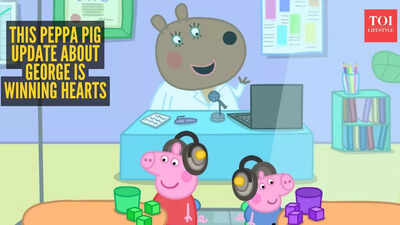
Beloved children’s show Peppa Pig has introduced George’s diagnosis, offering a gentle portrayal of the experience. The storyline, developed with a community input, shows George using a device to help his condition. This inclusive move reflects the show’s commitment to representing diverse children and families, making many feel seen.

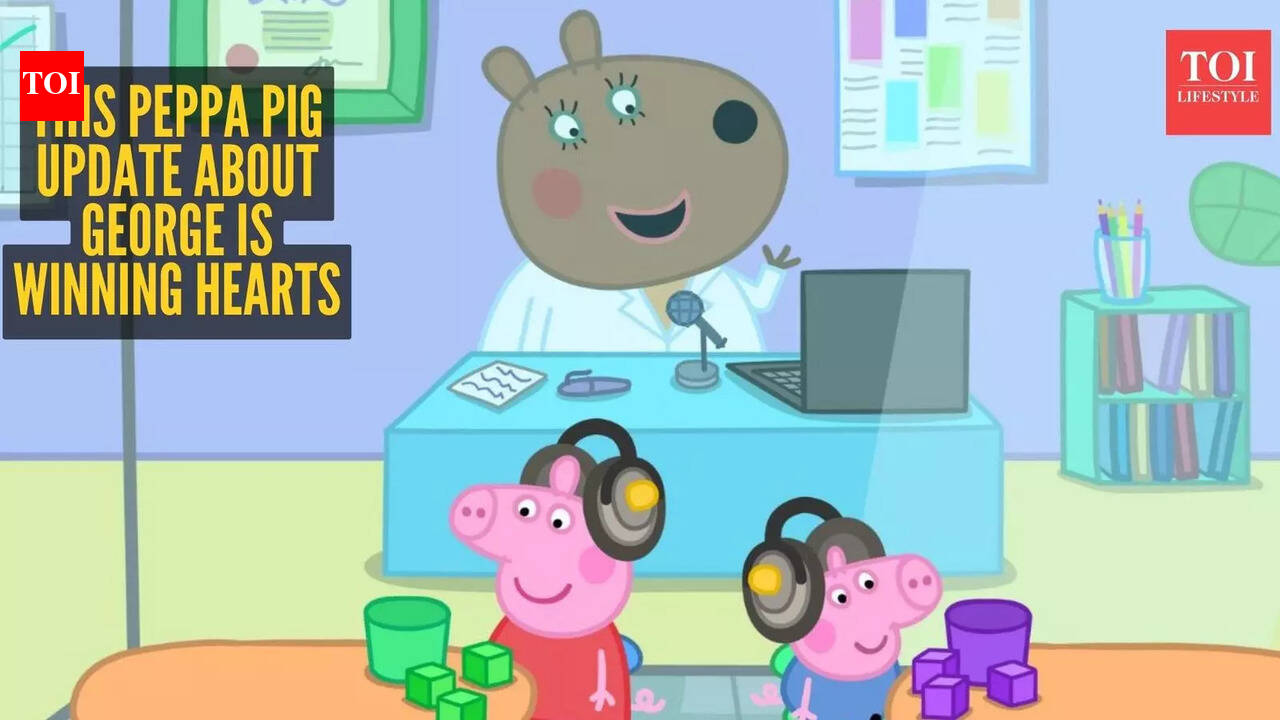
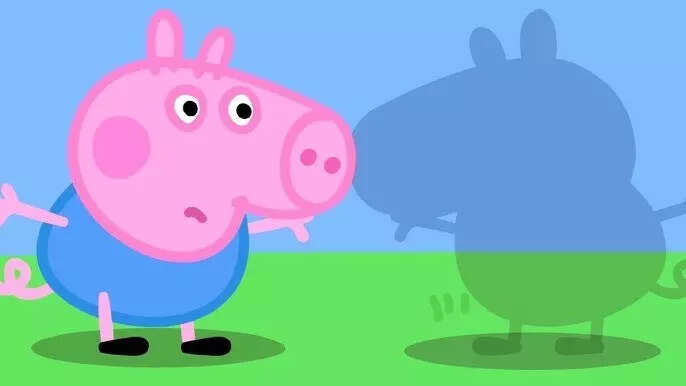
Peppa Pig’s world just got a little more real – and a lot more heartfelt. In a recent episode, the much-loved kids’ show shares that George, Peppa’s younger brother, has moderate hearing loss. It’s a quiet update, but a meaningful one, and it opens the door for many children and families to feel seen on screen for the first time. Something that has made a lot of parents of deaf children, a tad bit emotional.The way the show handles it is gentle and thoughtful. In one episode, we experience parts of the day from George’s point of view. Everyday sounds feel a bit fuzzy, some moments are confusing, and things don’t always land the same way. It’s simple, easy for kids to understand, and surprisingly moving. No heavy lessons – just a soft way of helping young viewers see that not everyone experiences the world in the same way.The creators didn’t rush this storyline. They worked closely with organisations that support deaf children and people from within the deaf community to make sure George’s journey feels honest and respectful. The idea wasn’t to “label” him, but to show that kids with hearing loss are just kids – playful, curious, cheeky – who might need a little extra support sometimes.

Untitled-design-2026-02-05T100226.900

In fresh episodes, George’s family finds out about his hearing needs during a regular check-up, and he starts using a hearing aid. From there, we see him slowly discovering sounds he hadn’t fully noticed before – splashing in muddy puddles, the jingle of the ice-cream van, familiar voices around him. One especially sweet moment shows George clearly saying Peppa’s name for the first time – something many families with deaf or hard-of-hearing children will recognise and quietly celebrate.Peppa Pig has always tried to reflect the world kids grow up in, not a perfect version of it. Over the years, the show has introduced characters with different abilities and different family set-ups, making diversity feel normal, not “different.” George’s storyline fits right into that spirit – it’s soft, age-appropriate, and handled with care instead of drama.

hq720

The changes don’t stop at the episodes. Some Peppa Pig content is now available in sign language, making it more accessible for kids who communicate visually. There are also new toys featuring George with his hearing aid, which might seem like a small thing, but can mean a lot to a child who’s never seen themselves reflected in their favourite characters before.For many families, this isn’t just another cartoon update. It’s about representation that feels kind and real. By bringing George’s hearing journey into its familiar, everyday world, Peppa Pig quietly reminds kids that being different doesn’t make you any less part of the story – it just makes the story more real.


Source link

5 mistakes to avoid when investing in under-construction projects


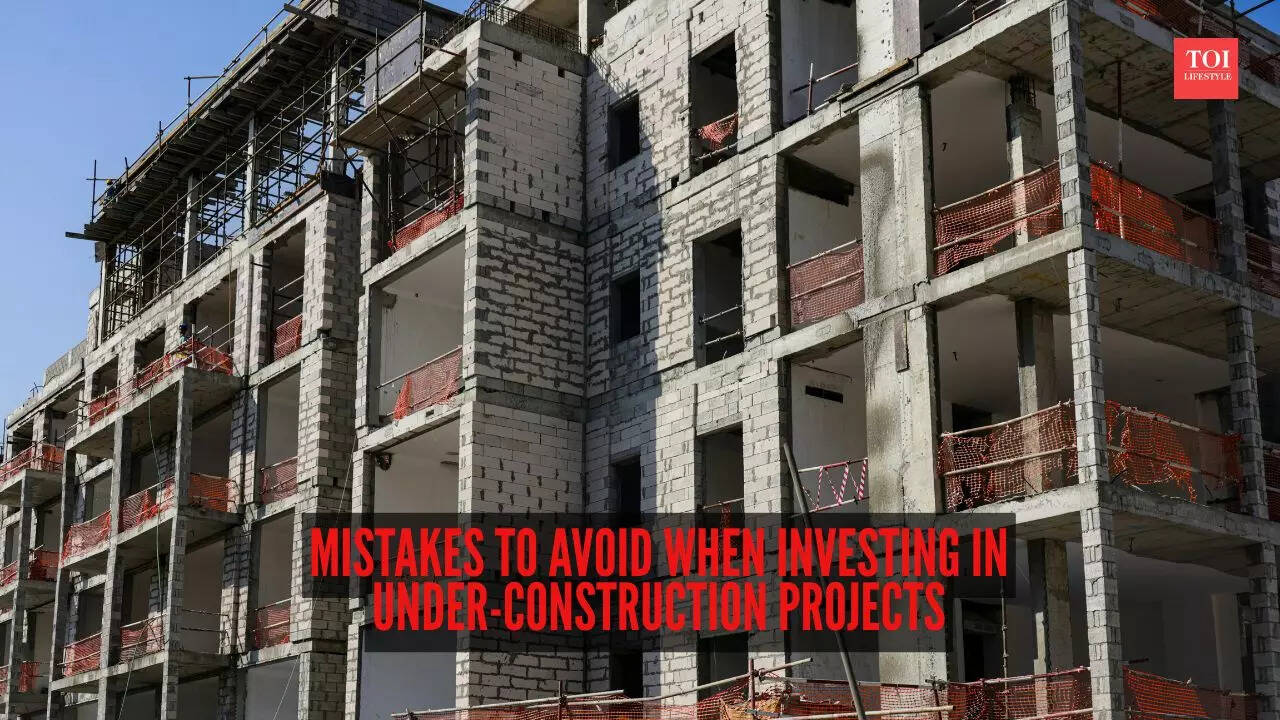
An under-construction property may not appreciate as expected if the location lacks infrastructure, connectivity or long-term demand. Market fluctuations during the construction period can also affect resale value and rental income. Evaluating growth potential, infrastructure plans and exit options helps ensure the investment remains viable over time.

Investing in real estate projects under construction can prove highly beneficial, but requires caution and judgment. Verifying legal compliance, checking for unreasonable claims, considering delays, and planning and checking finances are all crucial steps to increase the prospects for a safe and profitable business. However, by avoiding mistakes and undertaking diligence work, investors can confidently navigate the complexities of under-construction projects and make wise decisions in real estate investment.

Image Credit: Canva


Source link

Revenge quitting is 2026’s hottest career trend – here’s what it actually means |


Revenge quitting is 2026’s hottest career trend - here’s what it actually means
Workers are embracing ‘revenge quitting’ in 2026, a trend where employees leave jobs not just for new opportunities, but to reclaim control after feeling ignored, overworked, or undervalued. This calculated departure prioritizes self-respect over enduring toxic work environments, marking a significant shift in employee priorities towards well-being and dignity.

We’ve already lived through quiet quitting, the great resignation, and full-blown burnout culture. Now, 2026 has gifted us a new work-life buzzword- revenge quitting. And yeah, it sounds dramatic. But the feeling behind it? Very real.No, revenge quitting doesn’t mean throwing a tantrum at work, slamming your laptop shut, and posting a spicy resignation note on LinkedIn (even though a tiny part of us has imagined doing that at least once). It’s quieter than that. Smarter too. And honestly, it says a lot about how done people are feeling at work.

Workplace Burnout: Signs You Shouldn’t Ignore & How To Recover

At its heart, revenge quitting is when someone leaves not just to move on, but to take back a bit of control. It comes from being tired of being ignored, overworked, underpaid, or treated like you’re replaceable. The “revenge” isn’t about getting back at your boss. It’s about finally choosing yourself after feeling small at work for way too long.And in 2026? This mindset is everywhere.

So what is revenge quitting, really?

Revenge quitting isn’t about chasing a slightly better salary or a shinier job title. It usually comes after someone hits their limit.Think long nights with no extra pay. Promises of promotion that never came. Bosses who micromanage every move. A work culture that drains you but expects you to smile through it.It’s that moment when you sit back and think, Why am I still trying to fix a place that clearly doesn’t care about fixing itself? So you stop trying. You make a plan. And you leave.Sometimes the exit is loud – like quitting right after being embarrassed in a meeting. Other times, it’s low-key and calculated. You quietly update your CV, take interviews in between calls, lock in a better role, and then resign. The company only realises how much you were doing when you’re already halfway out the door.Either way, it feels personal. That’s what makes it different from regular job-hopping.

Why is everyone talking about this in 2026?

This didn’t come out of thin air. The past few years have changed how people feel about work.People stuck around during layoffs. They worked through pay freezes. They took on extra work when teams were cut. They were told to “be grateful” to still have a job while being pushed harder than ever. And when things finally started to stabilise? Many felt nothing really changed for them.Add to that:Managers saying “we’re a family” right before cutting jobsPromotions being hinted at but never happeningBurnout being praised as dedicationMental health being talked about but not backed up with real supportBy 2026, people are tired of pretending this is fine. They’re choosing boundaries over burnout. Self-respect over silent suffering.Social media has made this shift louder too. People are openly talking about bad bosses, toxic offices, and the relief they felt after quitting. When you see someone else walk away and land on their feet, it makes the idea feel possible. Even brave.

How is this different from just quitting your job?

People have always left bad jobs. That’s not new. What’s new is the why behind it.Normal quitting is practical. You leave for better pay, a new role, a new city, or a career change.Revenge quitting is emotional. It builds up over time. It usually comes from feeling:Disrespected

istockphoto-185324851-612x612

InvisibleUsedBlocked from growingIt’s rarely impulsive. Most people who “revenge quit” plan their exit quietly. They don’t blow things up on the way out. They line things up first. And when they finally leave, it’s not to prove a point to their boss – it’s to prove something to themselves.

Why people hit breaking point

People can deal with stress. What they struggle with is feeling treated unfairly.When effort goes unnoticed, when rules change depending on who you are, when feedback only flows one way, or when growth is promised but never allowed – it wears you down.Revenge quitting usually happens after someone has already tried to fix things. They spoke up. They waited. They adjusted. Nothing changed. At some point, something in you just goes quiet. That’s when you know you’re done.Leaving then feels less like running away and more like choosing self-respect.

Is revenge quitting healthy… or risky?

Honestly? It depends on how you do it.Leaving a toxic job can feel like dropping a heavy weight you didn’t realise you were carrying. People often sleep better. They breathe easier. They stop dreading Mondays.But quitting in pure anger, with no plan and no savings? That can create a whole new kind of stress. You don’t want to swap office anxiety for money anxiety.The healthiest version of revenge quitting looks like this:You realise the job isn’t good for you.You prepare quietly.You line up your next move.You leave with your dignity intact.No messy drama. No burning bridges. Just a clean exit.

What this trend says about workplaces in 2026

Revenge quitting isn’t about people being “too sensitive.” It’s about workplaces being slow to change.People today expect:Clear work hours.Basic respect.Fair pay.Real growth, not empty promises.Managers who actually listen.When companies ignore this, they don’t just lose staff – they lose good people. Often, it’s the reliable, high-performing employees who burn out quietly and leave without making noise.By the time leadership realises something’s wrong, those people are already gone.

Thinking of revenge quitting? Ask yourself this

Before you make any big move, ask yourself:Is this one bad week, or a long pattern?Have I tried saying what’s not working?Can I afford to leave right now?Am I running away from something, or moving towards something better?Leaving can be powerful. Leaving with clarity is even better.Revenge quitting isn’t about drama.It’s about dignity.It’s about people realising that staying in places that drain them isn’t brave – it’s exhausting. In 2026, more workers are choosing peace over pay cheques that come with panic. They’re choosing respect over roles that shrink them. They’re choosing growth over grind.And honestly, this isn’t just a trend.It’s a long-overdue shift in how we treat ourselves at work.


Source link

“A man with bloodshot eyes and a machete blocked my path…”: European traveller recounts his India trip, lists common scams to watch out for |


"A man with bloodshot eyes and a machete blocked my path...": European traveller recounts his India trip, lists common scams to watch out for

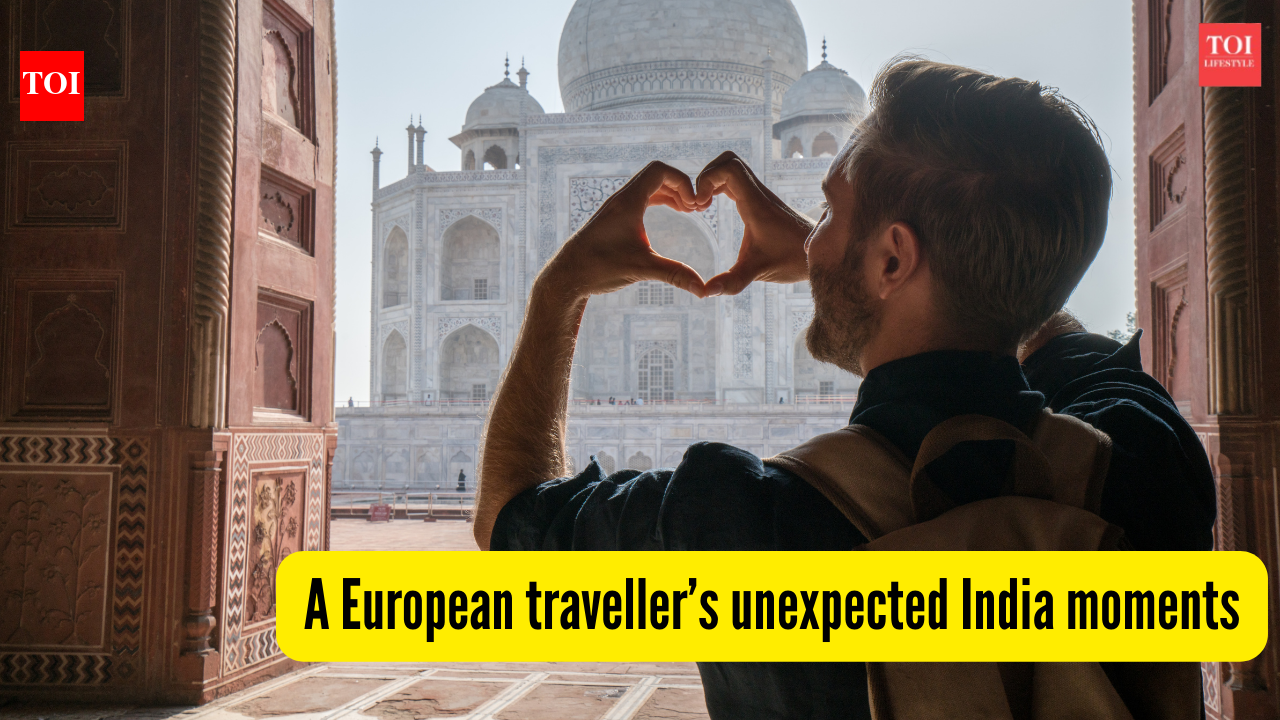
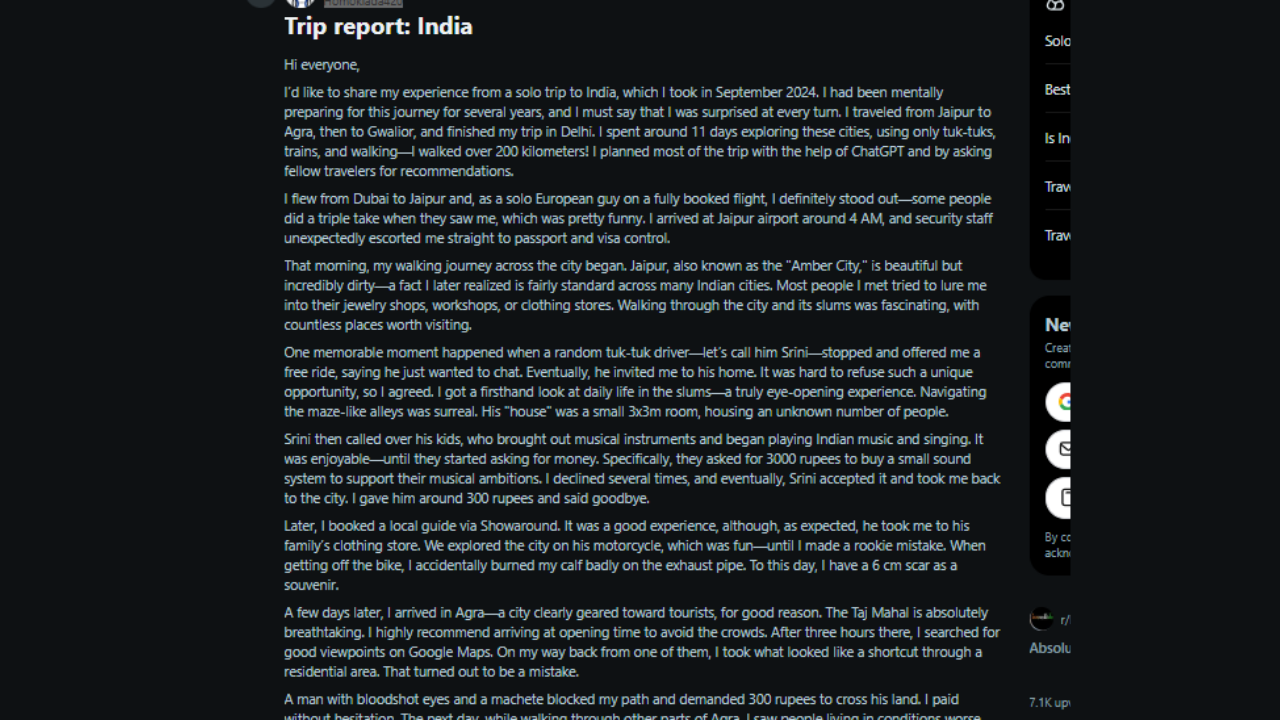
India is often described as a country that tests travellers, emotionally, physically and mentally, especially those visiting solo for the first time. From chaotic roads to stark contrasts between the rich and the poor, and then moments of unprecedented warmth and support, India can be an overwhelming and unforgettable destination for any visitor. However, for tourists across the globe, online forums are now replete with unfiltered experiences that go behind the tour itineraries for solo tourists, particularly, visiting India. One such account (Homoklada420), shared recently on Reddit, is about a European traveller who spent 11 days travelling solo across northern India in September 2024. Moving through Jaipur, Agra, Gwalior and Delhi using only public transport, tuk-tuks and long walking routes, the traveller documented everything from cultural surprises and unexpected kindness to aggressive touts, visible poverty and safety scares. What follows is his journey, and his experiences.

travel plan

The trip, he says was planned largely using ChatGPT and advice from fellow travellers, turned into a deeply personal experience that revealed not just India’s famous landmarks, but also the uncomfortable realities that guidebooks often gloss over. He says, “I flew from Dubai to Jaipur… I landed at Jaipur airport around 4 am, and to my surprise, security staff escorted me straight to passport and visa control.” He shares that his walking journey across the city began. Jaipur, also known as the Amber City, is beautiful, but incredibly dirty, which he says he later realised that it’s fairly standard across many Indian cities. Almost everyone he met tried to lure me into jewellery shops, workshops or clothing stores. Still, walking through the city and its slums was fascinating, with countless places that felt worth exploring.

India tuk tuk

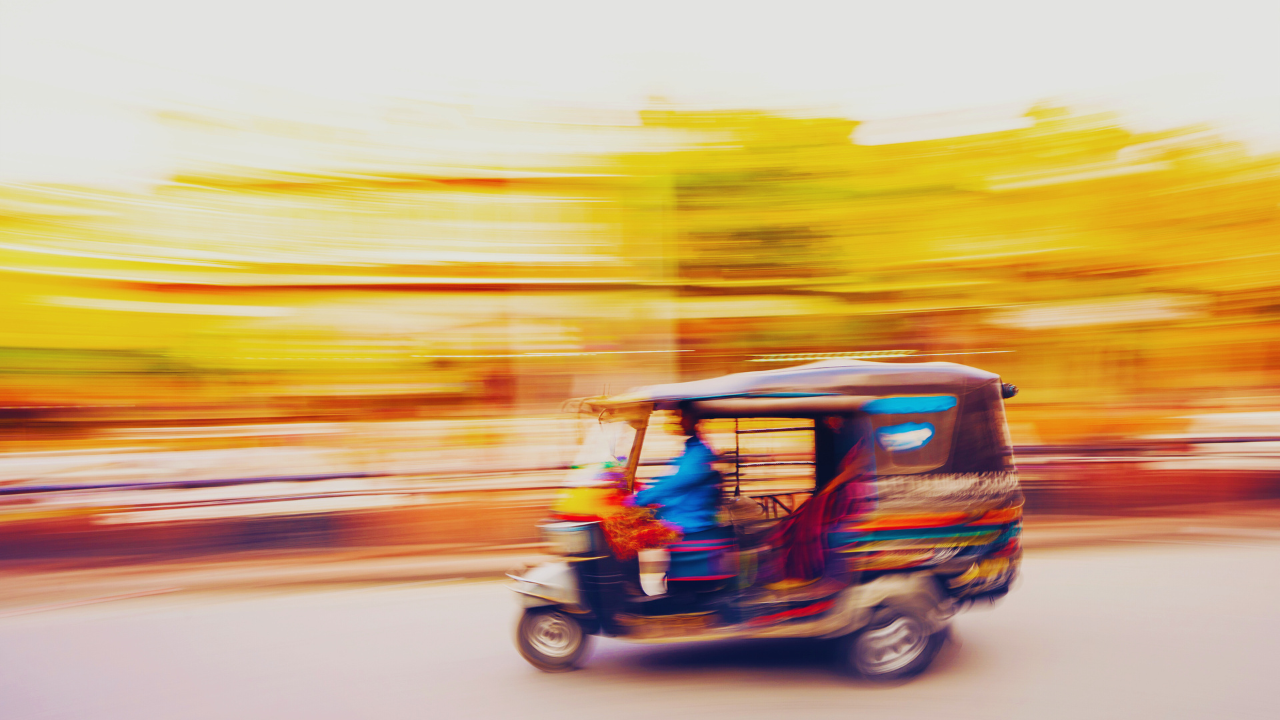
One of the most memorable moments happened when he met a random tuk-tuk driver. He says, “Let’s call him Srini, who stopped and offered me a free ride, saying he just wanted to chat. Eventually, he invited me to his home. It was hard to refuse such a unique opportunity, so I agreed. I got a firsthand look at daily life in the slums. Navigating the maze-like alleys felt surreal. His house was a tiny 3×3 metre room, housing an unknown number of people.Read more: Top 10 hardest countries to get citizenship and why it’s nearly impossible Srini then called his kids over. They brought out musical instruments and started playing Indian music and singing. It was genuinely enjoyable, until they began asking for money. They wanted 3,000 rupees to buy a small sound system to support their musical ambitions. I declined several times. Eventually, Srini accepted it and took me back to the city. I gave him around 300 rupees and said goodbye.” A few days later, he arrived in Agra, a city clearly built around tourism, for good reason. The Taj Mahal is absolutely breathtaking, which he highly recommends arriving right at opening time to avoid the crowds. He shares, “After spending about three hours there, he searched for good viewpoints on Google Maps, and on his way back from one of them, I took what looked like a shortcut through a residential area. That turned out to be a mistake.Read more: Valentine’s Week Special: Famous heart-shaped destinations that are nature’s marvelsA man with bloodshot eyes and a machete blocked my path and demanded 300 rupees to cross his land. I paid without hesitation. The next day, walking through other parts of Agra, I saw people living in conditions worse than anything I’d ever witnessed, almost like animals. Tuk-tuk drivers were begging to give rides for as little as 10 rupees. In front of the Agra Fort, official guides started at 1,500 rupees and dropped to 200 by the time I walked away. It was quite a scene.”

reddit

Then came Gwalior, a beautiful and underrated city. There’s an impressive hilltop fort with several temples. He visited the Gurudwara Data Bandi Chhod Sahib, and shares that one shouldn’t hesitate to go inside, as it was a once-in-a-lifetime experience. After the visit, he was offered a simple but delicious free meal.The final five days were spent in Delhi. He adds, “I was surprised by how clean the city centre was, but beyond that, daily life looked very different. In my opinion, more than two days in Delhi isn’t necessary.”Some useful things he learned along the way:Language-wise, many people spoke fluent, understandable English. Prices vary depending on skin colour and language skills, as he was a Czech traveller, he says, “I was almost always quoted the highest price. For example, the Taj Mahal cost me 1,100 rupees, while locals paid 50.I used Uber everywhere, and for trains, the IRCTC website worked well, although verifying your account requires patience. Street food really depends on your gut, I ate it almost daily and had no issues. For the internet, I used an Airalo eSIM, which worked perfectly throughout the trip.”Common scams to watch out for include jewellery shops offering “free tours,” aggressive clothing stores, tuk-tuk or Uber drivers claiming their accounts are blocked, fake charity donations, claims that attractions are closed, overpriced official guides, fake hotel photos on websites, and overly friendly strangers, they usually have an agenda.Disclaimer: The above article is based on a Reddit post and Times of India has not verified the veracity of the claim


Source link

What happens if the builder does not follow the RERA order?


Authorities may require disclosure of assets, initiate seizure proceedings, escalate the case to civil courts or order civil imprisonment for continued refusal to pay compensation. In extreme situations, authorities may also restrict the builder from launching new projects or take further regulatory action.

Failure to abide by a RERA order constitutes a critical legal offense in India. Builders who fail to comply with RERA face increasing legal consequences ranging from daily monetary penalties and recovery of due payments to confiscation of assets, imprisonment, and restrictions on business activities. These stringent rules under RERA serve the very purpose of the regulation.

Image Credit: Canva


Source link

Ex-Zomato employee reveals what working there is really like, and it’s not for the faint-hearted


Ex-Zomato employee reveals what working there is really like, and it’s not for the faint-hearted
A former Zomato employee, Ragini Das, shared a heartfelt reflection on her six years at the company, highlighting how the challenging environment shaped her career and personal growth. She emphasized that Zomato’s demanding pace and high expectations fostered resilience and trust, enabling significant professional development and lasting friendships.

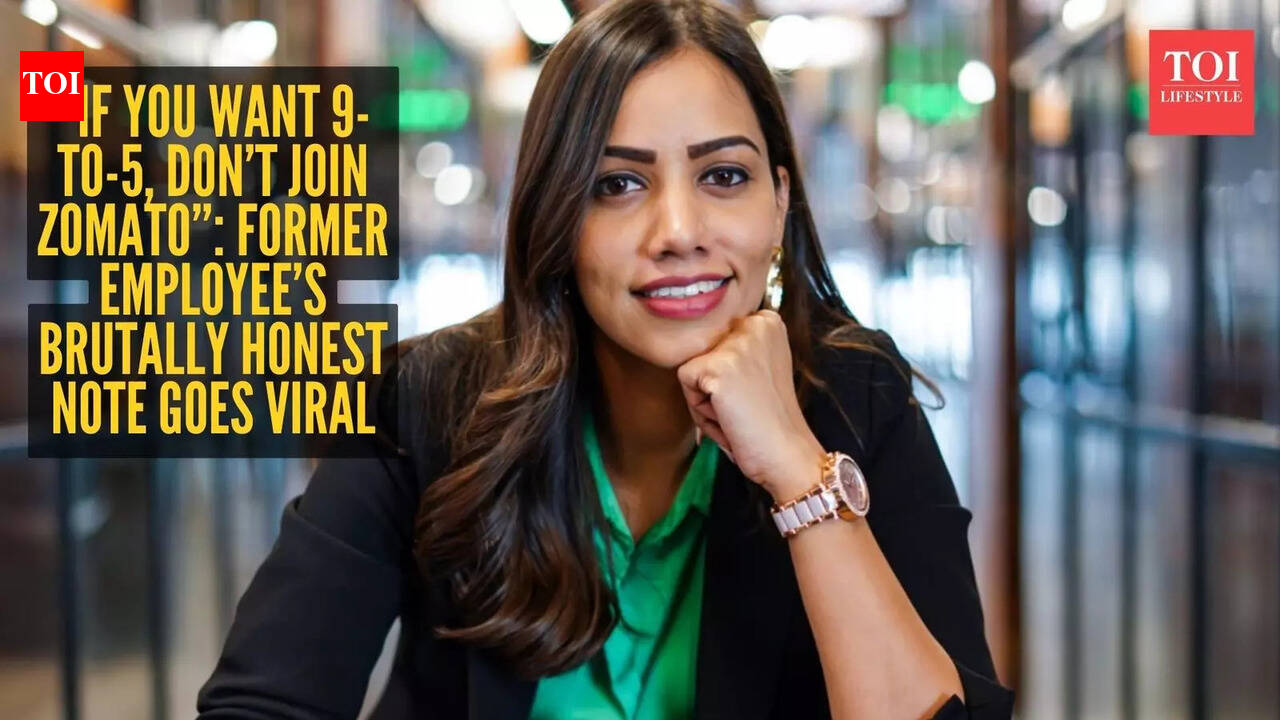
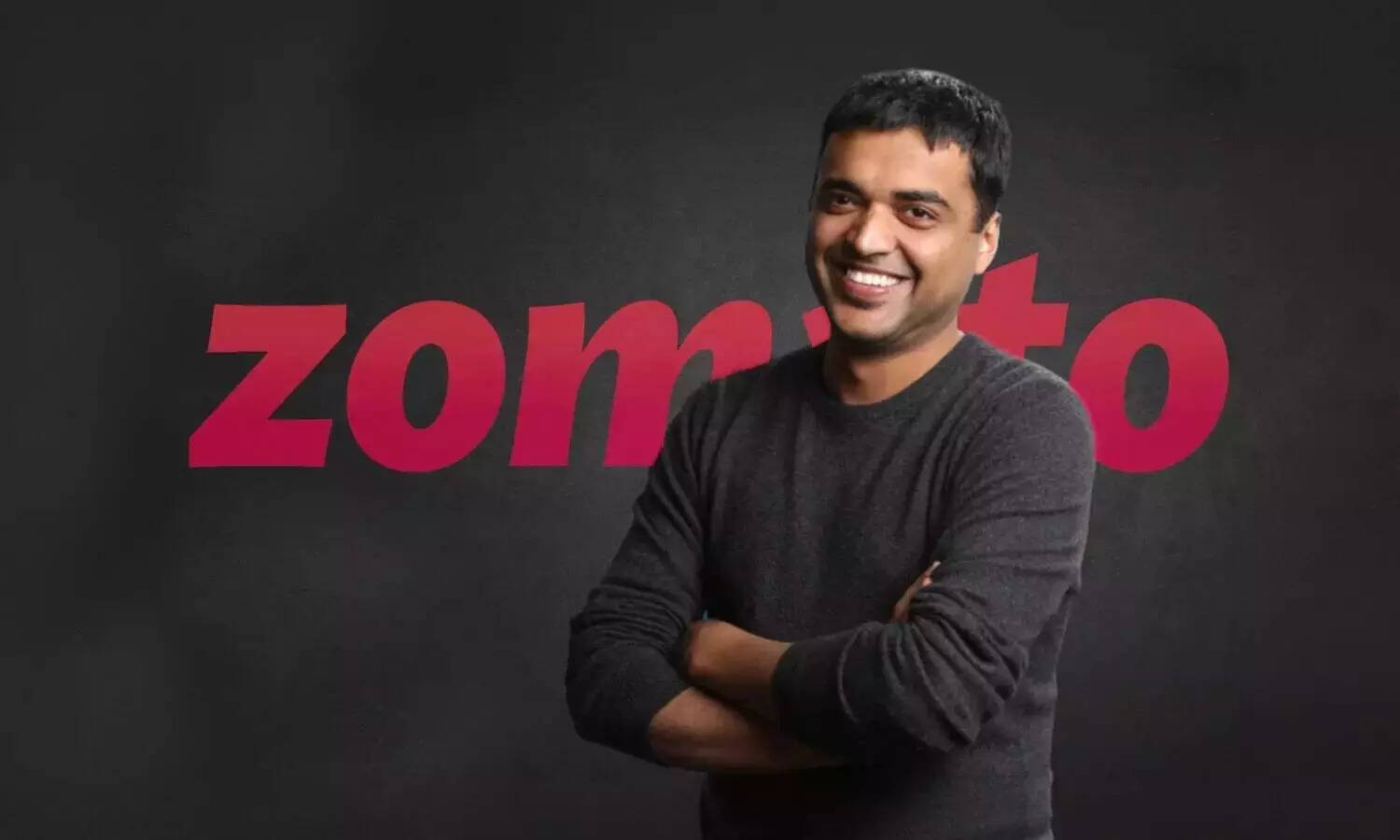
A former Zomato employee has posted a heartfelt note about her time at the company, and it’s struck a chord with a lot of people online. Ragini Das spent six years in Zomato’s sales and marketing team before stepping out to build her own startup, Leap Club. She’s now part of Google India, but says her Zomato years shaped how she thinks, works, and handles pressure – and also gave her friendships she still holds close.She decided to look back on her Zomato journey after founder Deepinder Goyal publicly invited former employees to consider coming back, saying the company has grown and that the door is still open. That message got Ragini reflecting on what working at Zomato really meant to her – the good, the tough, and everything in between.While her post was full of warmth, she didn’t sugarcoat the reality of the job. According to Ragini, Zomato isn’t meant to be “easy” or comfortable – and that’s kind of the whole point.“Zomato isn’t for everyone. And that’s okay,” she wrote on LinkedIn, adding that her time there helped shape the work she later did at Leap Club.She also made it clear that Zomato isn’t the place for anyone who wants a relaxed 9-to-5. The pace is relentless, expectations are high, and things move fast. But for people who thrive in that chaos, the experience can be life-changing.

Deepinder-Goyal-Success-Story

Ragini said one of the biggest things Zomato gave its employees was trust – sometimes even before they felt ready for it. If you stuck it out, the company backed you with responsibility and a belief in your potential that pushed you to grow faster than you expected.Sharing a personal example, she recalled being handed a million-dollar budget to launch a product when she was just 26. Not many companies would take that kind of bet on someone so young, she pointed out. But that trust forced you to step up and figure things out on the go.Ragini joined Zomato in 2013 as a sales and marketing manager and stayed on for six years. By the time she left in 2019, she had become the first team member of Zomato Gold in India. She also spoke about how dramatically her career evolved in that time – from trying to sell ₹3,000 banner ads at 22, to closing deals worth ₹60 lakh. Somewhere between those two numbers, she says, is where her grit was built.What stood out in her note was how much she genuinely enjoyed the grind. She joked that in six years, she probably had “Monday blues” only a handful of times. Being around people who were obsessed with what they were building made the energy contagious.Looking back, Ragini says those years at Zomato taught her how to communicate better, stay resilient under pressure, and think long-term, lessons that continue to shape the way she works today.


Source link