Why international travel may get cheaper after Union Budget 2026


Why international travel may get cheaper after Union Budget 2026
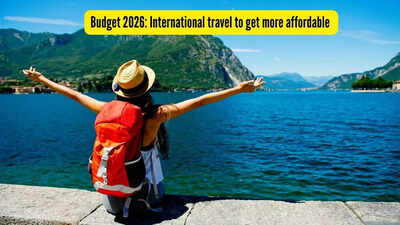
Today, the 2026–27 Union Budget was presented in the Parliament by the Finance Minister Nirmala Sitharaman. It’s a budget that loves travellers as at the heart of the Budget’s travel appeal is a sharp reduction of the Tax Collected at Source (TCS) on overseas tour packages. Yes, this time, the Budget didn’t just target economic growth; it also also signalled towards making dreams of international travels cheaper and more achievable. Let’s have a closer look at it:Cheaper international vacations through TCS rationalisationEarlier, Indian travellers wanting to book international tours faced a TCS structure: 5% on tour packages up to ₹10 lakh and 20% on amounts above ₹10 lakh. But as per the new Budget, the finance minister proposed a uniform TCS rate of 2% on the sale of overseas packages. This flat-rate reduction means that travellers will pay significantly less tax at the time of booking.It’s a welcoming move for travellers and industry leaders too. “The sharp reduction in TCS on overseas travel is an immediate demand stimulant for the sector and improves cash flows for both consumers and operators. More importantly, it signals the government’s intent to reduce friction in legitimate travel spending and support the formal travel economy,” said Kunal Gala, Partner in Deal Value Creation Services at BDO India. Affordability meets technology

Travel

Canva

Beyond tax cuts, the Budget also emphasises on technology-led governance in the travel sector. Hari Ganapathy, Co-Founder of Pickyourtrail, pointed out how these structural changes extend beyond the numbers: “From an outbound travel perspective, the emphasis on technology-led governance and the reduction in TCS on overseas tour packages meaningfully improve affordability, transparency, and ease of travel for Indian consumers.Industry ReactionAs per a joint statement by Aloke Bajpai, Group CEO, and Rajnish Kumar, Group Co-CEO of ixigo, “This year’s budget has also taken steps to make international travel, both outbound and inbound, more accessible and affordable for Indian travellers. The proposal to reduce the TCS rate on overseas tour packages to a flat 2% … is a welcome move for making outbound tourism more amenable.”

Travel

Canva

Beyond making travel cheaper, the Budget sends a clear message that tourism is a strategic economic sector. Aviral Gupta, CEO of Zostel & Zo World, noted, “The Budget’s reduction of the tax on overseas tour programme packages from 5% to 2% is a positive step that simplifies outbound travel and reflects the growing scale of global tourism activity. The focus on experience quality — through the training of 10,000 certified tourist guides, investments in hospitality education, and the development of 15 archaeological and cultural sites into experiential destinations — marks a clear shift towards value-led tourism.Impact on local economiesFor the hospitality sector, the Budget’s travel-friendly measures are expected to generate meaningful demand. Ayu Tripathi, Director of Aahana Resort, commented on how these changes might play out for service providers: though she was not quoted directly here, industry response generally underscores optimism that lower TCS, improved airport processes and hospitality training will enhance guest experiences — both for outbound and inbound travellers.Future of travel looking bright

Travel

Canva

India’s outbound travel market has grown rapidly in the last 10 years. There are over 10 million Indians who travel abroad every year for several purposes. The Budget’s measures, particularly the uniform 2% TCS, could strengthen this trend by lowering barriers to entry and making international travel more affordable for first-time and frequent travellers alike.




Source link

Union Budget 2026: Why Sitharaman’s Buddhist Circuit Plan is a big deal for Northeast tourism; what industry experts have to say |


Union Budget 2026: Why Sitharaman’s Buddhist Circuit Plan is a big deal for Northeast tourism; what industry experts have to say

In a landmark move, Finance Minister Nirmala Sitharaman has revealed plans for a new Buddhist Circuit scheme for six Northeastern states in the Union Budget 2026–27. The budget was presented in Parliament on February 1, 2026 and this announcement marks a major policy shift to boost India’s religious tourism portfolio. This initiative will create a proper planned network of Buddhist pilgrimage sites across Arunachal Pradesh, Sikkim, Assam, Mizoram, Tripura, and Manipur. It’s a fact that despite being historically important, these states remain under explored.Cultural Tourism boostTourism was one of the prime highlights in the 2026 budget. The industry is a key driver of jobs and growth. The minister also announced plans of investment in electric transport and seaplane manufacturing. However, the development of Buddhist Circuit remains one of the prime features with immense potential to reshape travel across South Asia’s Buddhist travel network.Commenting on the development, Karan Agarwal, Director, Cox & Kings, said, “What stood out for me in this Budget is that it doesn’t treat travel as a one-sided story. Outbound travel needed a course correction, and cutting TCS on foreign tour packages to 2% does exactly that, it takes away a friction that travellers were feeling every time they planned a trip. On the inbound side, the intent is clearly longer-term. What stands out is the emphasis on cultural and experiential travel, whether through developing archaeological sites, strengthening Buddhist circuits, or building skilled local guide networks, tells us the focus is finally shifting to how India is experienced, not just how many people arrive. If this is executed well, it could move Indian tourism from being crowded and transactional to curated and experience-led.”Summing up the budgetTo sum up, Sitharaman explained that the Northeast presents deep cultural intersections of Theravada, Mahayana, and Vajrayana Buddhist traditions. The new scheme is designed to preserve Buddhist temples and monasteries. There are also plans to install interpretation and pilgrimage centres and improve transport along with digital connectivity for the convenience of tourists.Mr. Siddhartha Gupta, CEO, Yatra Online Limited, says, “India’s travel and tourism sector has reached a point where demand is well established across segments and geographies. The focus now has to be on building an ecosystem that allows this demand to scale in a more efficient, affordable, and predictable way, and the Union Budget 2026-27 takes steps in that direction.”It is a fact that while other Buddhist attractions including Bodh Gaya and Sarnath attract lakhs of tourists and pilgrims every year, the Northeast’s sites remain largely unexplored. But with better connectivity and infrastructure, the government plans a more integrated journey in the Eastern Himalayas.“The emphasis on experience-led growth—through integrated medical and tourism hubs, the development of immersive heritage destinations, and the expansion of eco- and nature-based tourism- significantly strengthens India’s appeal for international travelers seeking authentic, high-quality, and purpose-driven experiences. These initiatives not only diversify India’s inbound tourism narrative beyond metros and seasonal circuits but also distribute economic benefits more evenly across regions and communities”, commented Hari Ganapathy, Co-Founder, Pickyourtrail.Nikhil Sharma, Managing Director and COO, South Asia, Radisson Hotel Group, said, “The focus on sustainable and experiential tourism, including the development of Himalayan trails, the continued push for Buddhist circuits, and the strong policy thrust on the Northeast, will support the growth of diverse tourism segments while enabling more balanced regional development. These measures are expected to encourage longer stays, wider travel dispersal, and stronger demand for quality accommodation and services across tier-2 and tier-3 markets.Appreciating the budget, Zubin Karkaria, Founder & CEO, VFS Global, said, “The Union Budget charts a strong roadmap to Vision 2047, positioning tourism, mobility, and human capital as engines of long-term growth. By recognising tourism as a catalyst for job creation, foreign exchange earnings, and regional development, the government is laying the foundation for a more competitive and resilient travel ecosystem. The emphasis on capacity building is particularly encouraging, with focused measures on infrastructure development, skill enhancement, and institutional support. These initiatives will play a crucial role in strengthening service quality, improving destination readiness, and enhancing ease of doing business across the sector.”What the Buddhist Circuit CoversSome prime Buddhist attractions in the Northeast region include:In Arunachal Pradesh:Tawang Monastery — One of the largest Buddhist monasteries in India In SikkimRumtek Monastery Enchey Monastery in Gangtok In AssamHayagriva Madhava Temple in Hajo — A site revered by Buddhists as well as HindusIn ManipurHosts historic Buddhist communities and templesIn MizoramThere are several Buddhist heritage sites which underscore the diversity beyond common travel circuits.In TripuraKalachand Temple and other heritage sitesThere’s no doubt that these states struggle because of lack of proper infrastructure and harsh weather. But things look positive for these states now as the Buddhist Circuit scheme in the Northeast stands as one of Union Budget 2026’s most visionary travel announcements.


Source link

Nearly 6 lakh jobs gone already: 2026 kicks off with a brutal wave of layoffs


Nearly 6 lakh jobs gone already: 2026 kicks off with a brutal wave of layoffs
The US job market faces a brutal start to 2026 with nearly 6 lakh jobs already gone, driven by massive layoffs at companies like Amazon and UPS. This wave of job cuts, significantly higher than last year, is fueled by automation and AI, impacting various sectors beyond tech.

The year has barely started, and the mood in the US job market is already tense. In just a few weeks, some of the world’s biggest companies have announced huge layoffs, leaving offices quieter and warehouses emptier. Close to 6 lakh jobs are expected to vanish, making this one of the roughest starts to a year for workers in a long time.Amazon is right at the centre of it. The company has confirmed that around 16,000 corporate roles are being cut in this latest round – its second big trim since late 2025. Add that to the 14,000 jobs it had already let go earlier, and you’re looking at nearly 30,000 roles gone worldwide. Most of the damage is in the US, but teams in Canada and parts of Asia are also getting hit.UPS isn’t far behind. The delivery giant says it will cut up to 30,000 jobs in 2026, after already letting go of almost 48,000 people last year. As the company pulls back from parts of its partnership with Amazon and reshuffles how it runs deliveries and warehouses, the biggest blow is falling on ground staff – the people who actually move the parcels.Put it all together, and the pace of job cuts has jumped sharply – about 42% higher than this time last year.

It’s not just Amazon and UPS

What’s really worrying is that this isn’t a problem limited to a couple of headline-making companies. Layoffs are popping up across tech, banking, retail, and manufacturing. From flashy Silicon Valley firms to old-school retailers and big banks, companies are tightening their belts and quietly freezing hiring.

istockphoto-1458551911-612x612

And this time, it’s not even about a classic recession. Many of these companies are still making money. The real driver is change – more automation, more AI, and a constant push to run leaner teams. In plain terms, companies are rethinking how much work actually needs people, and some jobs are getting cut out of the picture altogether.

What’s happening inside Amazon

At Amazon, the cuts are part of a bigger shake-up of how the company is run behind the scenes. Even after posting strong numbers in 2025, the company is trimming layers of management and speeding up its shift towards AI tools and automated systems.This round has hit teams like HR, AWS support, operations, and other corporate departments. In the US, affected employees have been told they’ll get severance and a few months to look for internal roles.But for many workers, the official talk of “efficiency” doesn’t make it any easier. Jobs that once felt safe are now being handled by software. Work that used to need whole teams can now be done by a handful of people with the help of AI.Amazon says this is about long-term restructuring, not endless rounds of layoffs. Still, internal chatter suggests the company is serious about staying lean and leaning harder on automation going forward.

UPS and fewer hands in logistics

UPS is also in the middle of a major reset. The plan to cut up to 30,000 jobs in 2026 will mostly hit delivery routes, sorting centres, and warehouses. Some people will leave voluntarily, some roles will fade out over time, and some facilities will shut down altogether.After losing nearly 48,000 jobs in 2025, the scale of change is huge. Fewer delivery workers on the road. Fewer warehouses running. A much smaller workforce overall.A big reason behind this shift is UPS moving away from low-margin Amazon deliveries. As Amazon builds more of its own delivery network, UPS is turning towards areas like healthcare logistics and specialised freight – work that relies more on machines and tech than large teams of people.Unions like the Teamsters have already raised concerns, warning that workers are paying the price for this race towards automation. The clash between old-school jobs and tech-driven efficiency is only getting louder.

What this means for workers in the US

Last year was already tough, with over a million layoffs across industries – numbers not seen since the pandemic days. Some months were the worst in decades. And 2026 doesn’t look any kinder so far.Tech, telecom, finance, retail – no sector seems untouched. Hiring has slowed, job openings are shrinking, and people who lose their jobs are finding it harder to land new ones quickly. The economy may not be in a full-blown recession, but the job market definitely feels colder.For workers, the reality is uncomfortable. Skills that can’t be easily replaced by AI – like cybersecurity, data analysis, machine learning, and specialised tech work – are becoming more valuable. But learning those skills takes time, money, and support, and not everyone has that luxury.

A new, uneasy phase of work

This isn’t just a bad few months – it feels like a shift in how companies think about people and productivity. After years of aggressive hiring during and after the pandemic, businesses are now pulling back. Automation, AI, and smaller teams are becoming the new normal.Companies may talk about “future-proofing” and “long-term growth,” but for the people losing their jobs, it’s deeply personal. As 2026 rolls on, one thing is becoming clear: the future of work in the US won’t be shaped only by the economy – it’ll be shaped by how fast technology changes what work even looks like.


Source link

Which country is known as the ‘Land of Black Gold’?


Which country is known as the ‘Land of Black Gold’?

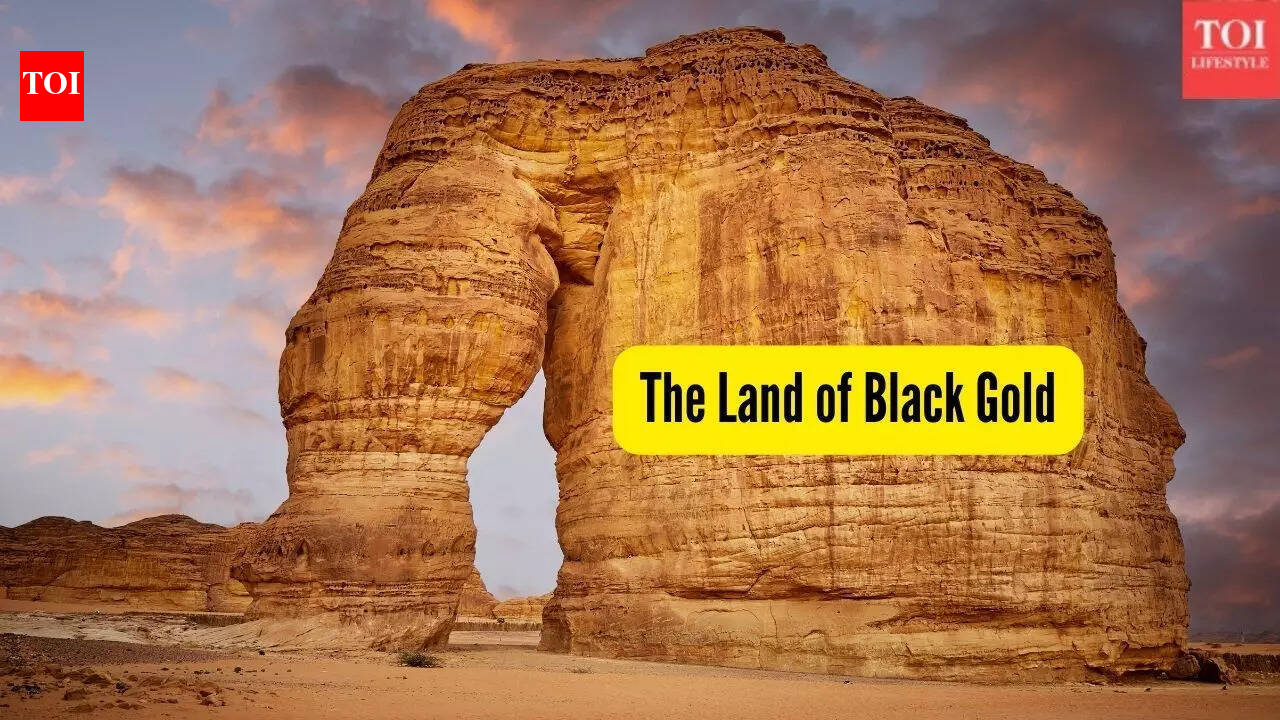
The moment we hear the phrase “Land of Black Gold,” it immediately conjures the image of Saudi Arabia, a beautiful country in the Middle East. The term “black gold” is used for crude oil which is the foundation of the nation’s contemporary identity which has been attracting travellers from across the globe. It’s the country’s natural wealth that makes visitors curious and man-made beauty which leaves people in awe. Let’s find out more:The Land of Black GoldSaudi Arabia is home to some of the largest proven petroleum reserves in the world. The oil has shaped the country’s economy, lifestyle and culture since commercial quantities were discovered in Dammam in 1938. This discovery of oil changed the destiny of the country overnight and from the land of desert, it became the land of black gold. It turned into a global energy powerhouse.Crude oilSo crude oil is a thick, dark, and highly valuable natural asset. And that is why it earned the sobriquet of “black gold”. It has the ability to generate wealth like no other natural resource. Oil revenues are the reason for modern healthcare, great education, and overall urban development. Today, travellers from all over visit the country to understand how this natural wealth shaped the identity of a nation.Travel ExperienceAmong the most interesting travel experiences linked to Saudi Arabia’s “black gold” legacy is exploring its energy heritage sites. Cities including Dhahran and Dammam have incredible oil stories. Dhahran is home to oil wells and the headquarters of Saudi Aramco, which is the world’s largest oil company.When here, visitors make sure to visit the King Abdulaziz Center for World Culture (Ithra). It is a global landmark. It is not an oil museum in the traditional sense, but shows how wealth generated from oil has been reinvested into arts and culture. The architecture is awe-inspiring. There are interactive exhibitions offering visitors an insight into Saudi Arabia’s oil discovery journey.Must-visit oil-related attractions in Saudi ArabiaSaudi Arabia’s identity as the Land of Black Gold is a story one can actually travel through.King Abdulaziz Center for World Culture (Ithra), DhahranAlso known as the cultural heart of Saudi Arabia, Ithra is a must visit attraction in the country for its history. This very site where oil was first discovered. Tourists can explore museums, exhibitions and libraries. Visit here to understand how black gold powered a cultural change.Dammam Oil Well No. 7 (The Prosperity Well)Also known as the birthplace of Saudi Arabia’s oil industry, it’s a historic well in Dhahran. It is where the destiny of the nation changed forever. This is a must-visit site for history buffs and curious travellers.Saudi Aramco Exhibit & Energy Experience CentersVisit here to understand the behind-the-scenes look at the international energy industry. For travellers, it’s a perfect chance to step inside the world’s most influential energy company.Dhahran & the Eastern Province Oil TrailThe Eastern Province comprising Dhahran, Dammam, and Al Khobar together form the hub of Saudi Arabia’s oil story. Traveling through this region allows people to know how oil wealth shaped education, and lifestyle of people here.For people curious about how natural resources can change the life and destiny of a country, Saudi Arabia offers most compelling travel stories.


Source link

This is the most expensive house in the world: Where wealth meets power


This is the most expensive house in the world: Where wealth meets power

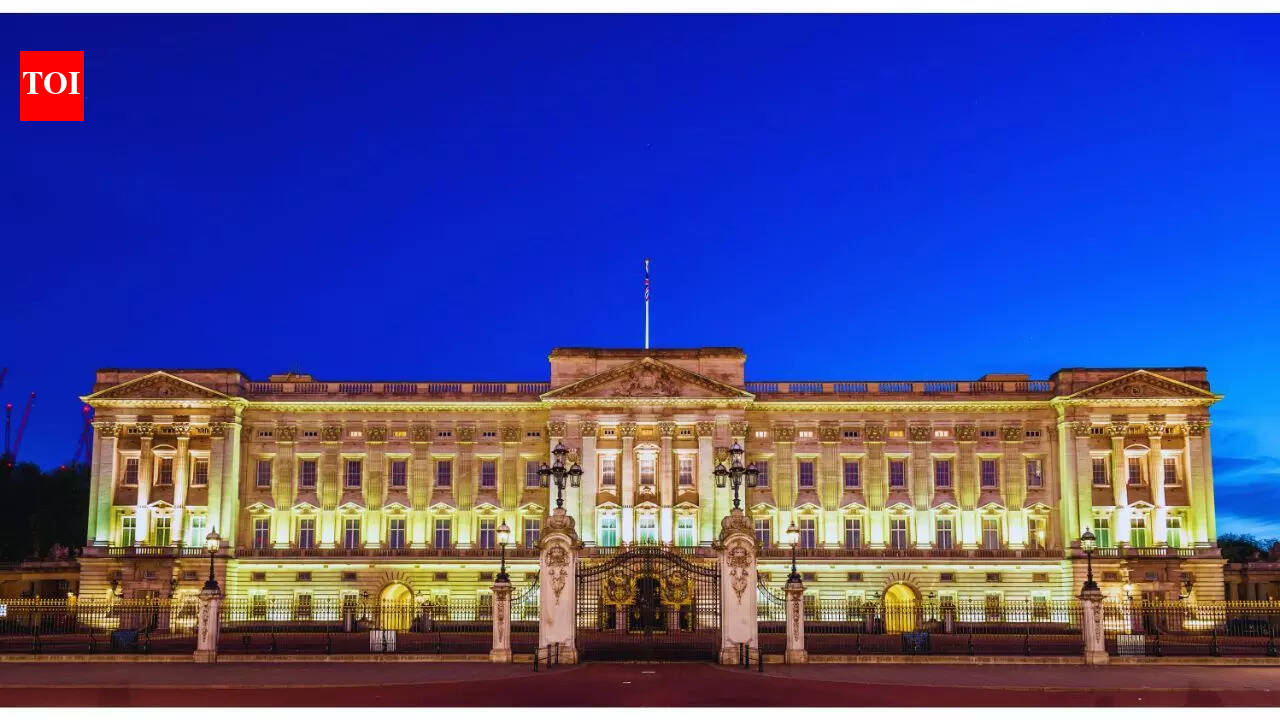
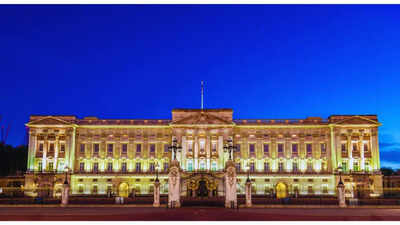
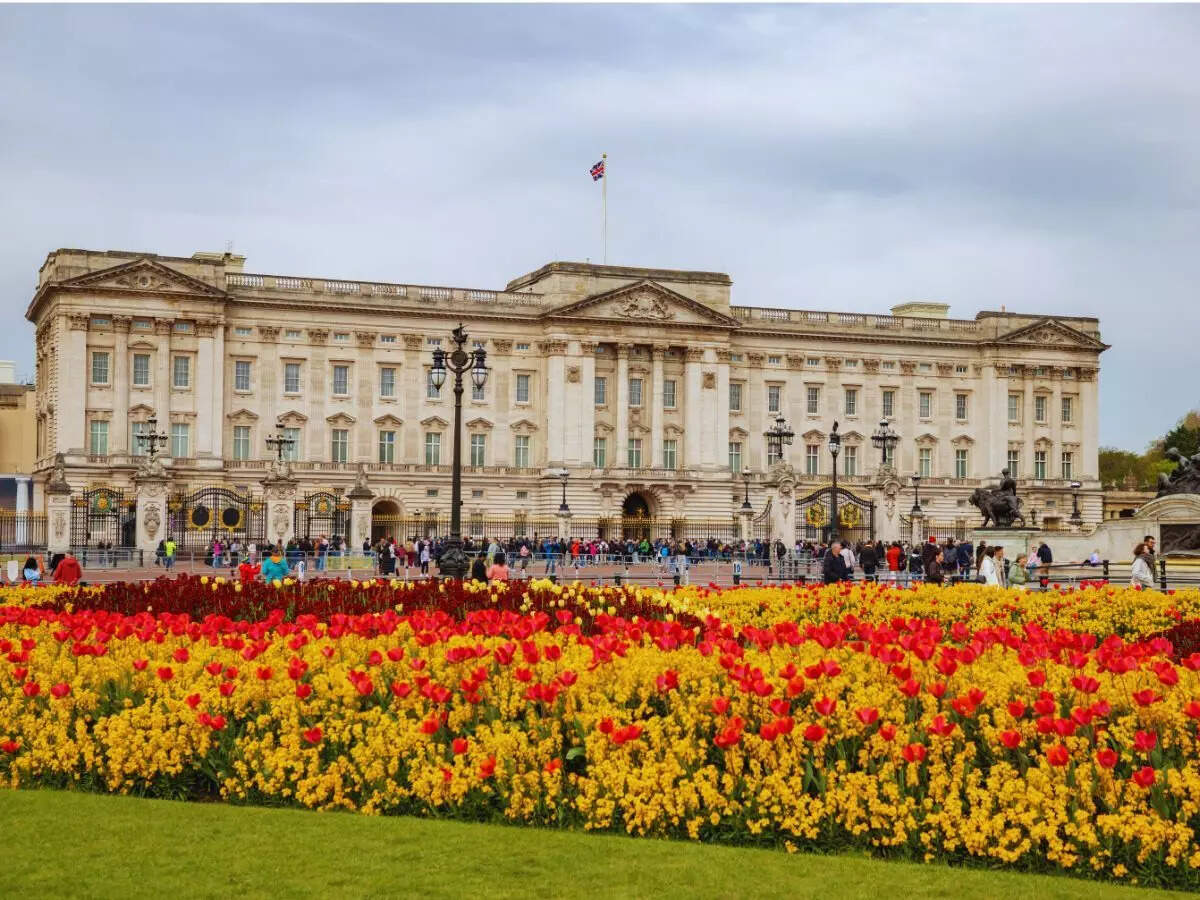
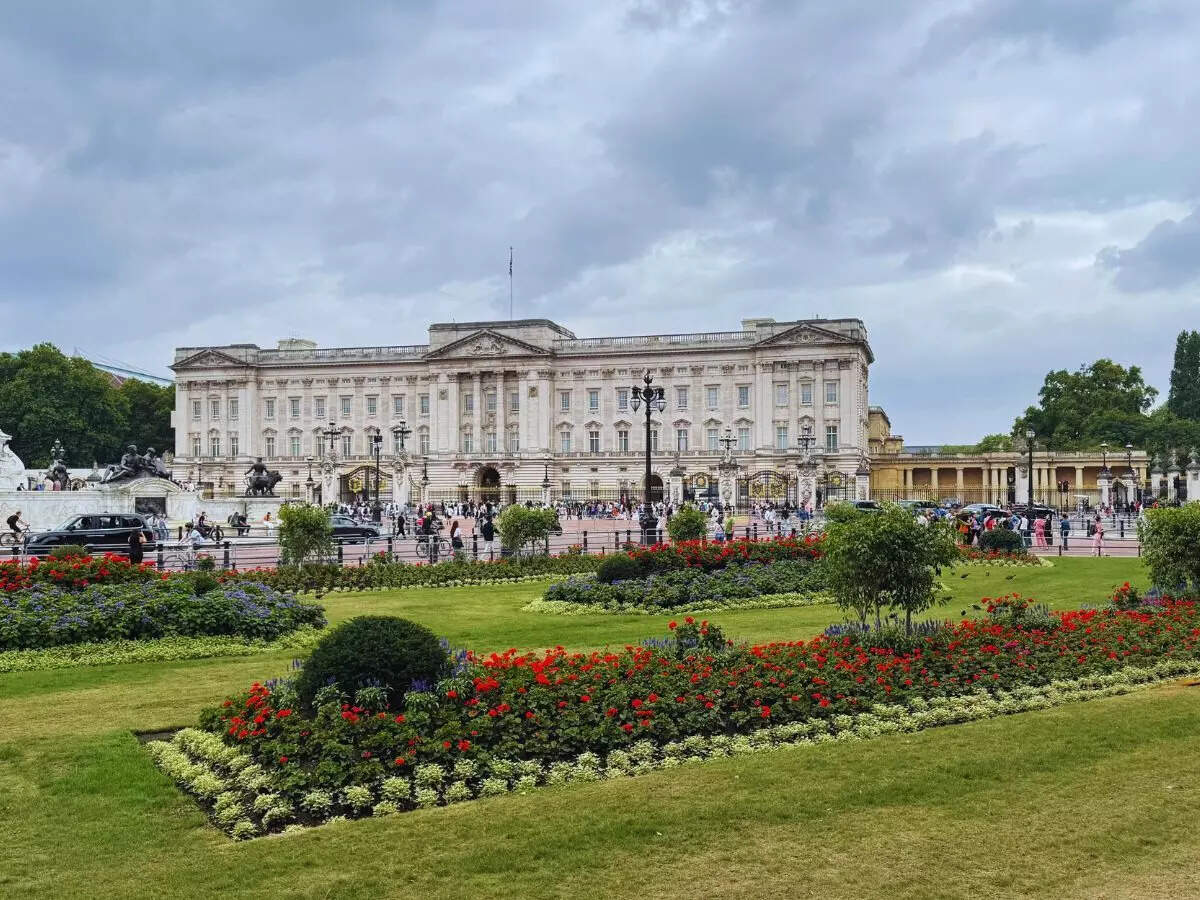
Can you imagine what the most expensive house in the world looks like? Is it sky-touching, is it a villa along the sea or a palace steeped in history? Well is it a futuristic tower rising above a city? The answer completely depends on your definition of luxury. However, when it comes to the price tag or scale, there’s one address that consistently stands top the chart for its value, history and architecture, among many features. And it’s none other than Buckingham Palace in London (according to a list published in architecturaldigest.in)Yes, you read that right, it’s Buckingham Palace and it belongs to the kings and queens of England! Sitting at the heart of London, the palace is known as the most expensive residential property on the planet. Though it is not privately owned or available for sale, property analysts estimate its value around $5 billion, an amount which is unmatched till date. Buckingham Palace Buckingham Palace is not an ordinary residence. Since 1837, the palace has served as the official residence of Britain’s monarch. For common public information, the palace has:775 rooms, among which there are 19 state rooms, 52 royal and guest bedrooms, 92 offices, and 78 bathrooms. It also has a post office, police station, health centre, and ballroom. Can you imagine the grandeur now?But that’s not it.

Buckingham Palace

canva

Buckingham Palace’s more than its gold-leaf ceilings. The palace is set in the heart of London city and is of immense historical, and political importance. The is a residence brimming with priceless artworks and antique furniture. The royal collections fill the halls, adding up to a value that can’t be measured in money. So yes, that’s why we say that there are not many “homes” in the world like Buckingham Palace. A home built on unimaginable valueIf talking about the value, the palace is built on the most valuable land in London. It is among the world’s most expensive cities. Besides, the palace is home to artworks and ancient furnishings spanning centuries. Every room, corridor, and chandelier carries cultural significance. It’s like a living museum. Buckingham Palace’s luxury and value lies in its history and heritage.Why so costly

Buckingham Palace

canva

Around the world, ultra-luxury homes sell for hundreds of millions of dollars, but till date none came close to Buckingham Palace. Now the reason is simple. There has been no private residence yet which combines history, politics and location, the way Buckingham Palace does. It is not just a home, it is a global landmark and national treasure! It’s not just the home of the English royals, it is also a tourist attraction. People from all over the world visit London to get a glimpse of this royal residential property. The soldiers are the highlight and the marching ceremony is a delight to watch.Talking in financial terms, the value of Buckingham Palace is unmatched. It is the most valuable residential property in the world.


Source link

Internet explodes after Mona Kattan unfollows Huda Kattan amid Huda Beauty boycott calls


Internet explodes after Mona Kattan unfollows Huda Kattan amid Huda Beauty boycott calls
Huda Beauty faces a growing boycott after Huda Kattan’s controversial post on Iran, which her sister Mona Kattan publicly distanced herself from. This digital rift, coupled with resurfaced past controversies, has led to calls for retailers to drop the brand, questioning Huda’s influence and brand integrity.

What started as internet outrage has now turned into something way more personal – and honestly, way more awkward. As boycott calls against Huda Beauty keep spreading online, fans noticed something that felt… big. Mona Kattan, Huda’s sister and long-time partner in the brand, quietly unfollowed her. No statement. No drama-filled post. Just one click, and everyone clocked it.In social media land, that’s not subtle. That’s loud.All this kicked off after Huda shared a video about the protests in Iran. Many people, especially Iranians and activists, felt the video echoed the government’s side of the story and didn’t reflect what protestors are actually facing. The backlash was immediate. And the contrast with Mona made it even messier, she had earlier posted in support of the protestors. So when the unfollow happened, people read between the lines. The beauty world definitely did a double take.For a lot of folks, this wasn’t just about a “bad post.” It felt like real pain and real voices were being brushed aside. That’s when the boycott talk picked up speed. Hashtags started trending, and people began urging others to stop buying Huda Beauty altogether.

1739804610-1000023884

Then things got even more tense. Mona reportedly reshared her older post backing the protests after the controversy blew up again. That only made people more convinced the sisters aren’t seeing eye to eye, at least not in public.And because the internet never forgets, old stuff came back up too. Past controversies linked to Huda resurfaced, including earlier comments about Israel that Jewish groups had criticised for spreading harmful and misleading ideas. Those posts were later taken down from TikTok for breaking guidelines, but now they’re back in the conversation.Put it all together, and you can see why public opinion has shifted. What some once called “fearless” now feels, to critics, careless and out of touch.This isn’t just an online storm anymore. Shoppers are calling out big stores like Sephora, asking them to rethink carrying the brand. Petitions are floating around, comment sections are packed, and people are basically saying: we want brands with a spine, not brands chasing views.Huda hasn’t said anything about the latest backlash yet. That silence is only making the noise louder. When your face is your brand, every word – and every pause – counts. It’s not just about opinions; it hits the business too.Not long ago, she was being praised as one of the BBC’s most influential women. Now, that influence is being questioned, challenged, and by some, flat-out rejected.One unfollow might look small. But online? It can say a lot. Sometimes the biggest statement isn’t a long apology or a viral post – it’s just hitting “unfollow.”


Source link

From Germany to the sea, the river that crosses 10 countries |


From Germany to the sea, the river that crosses 10 countries

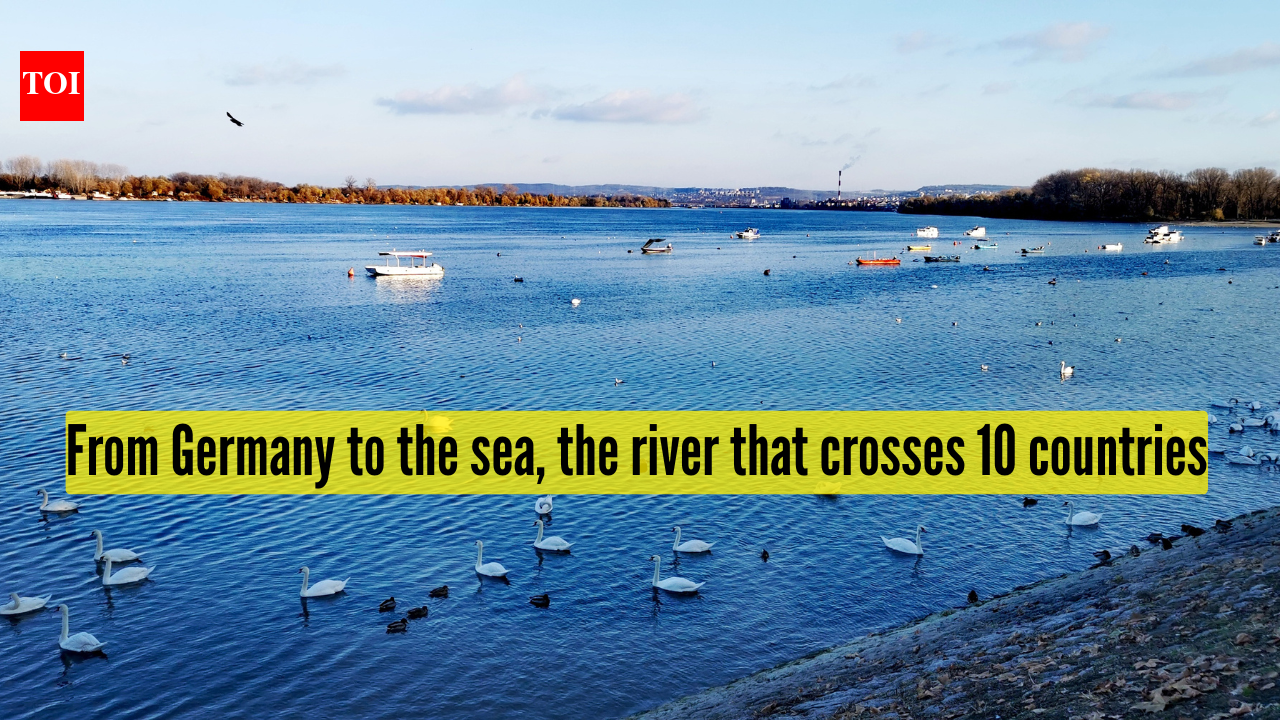
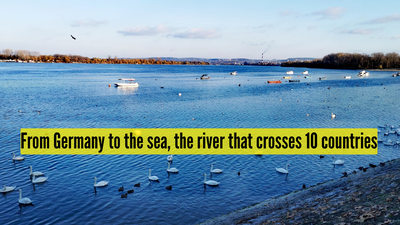
The river has its quiet beginnings in Germany’s Black Forest, when then makes its final spread into the Black Sea. It follows a course unlike any other river on the planet. Do note this interesting fact that along the way, it passes through 10 countries, more than any river in the world, thereby turning a single flow of water into a continental connector that links Central and Eastern Europe. It’s the Danube River. No other river matches the Danube’s geographic reach. Its waters run through countries like Germany, Austria, Slovakia, Hungary, Croatia, Serbia, Bulgaria, Romania, Moldova, and Ukraine, cutting across borders that were drawn centuries after the river itself had already shaped the land. Over a length of about 2,860 km, the Danube becomes less a national river and more a shared European river, binding regions with distinct languages, cultures, and political histories.Read more: Solar storm lit up Ladakh skies: What triggered the rare sky event and what it meansThe river takes form at Donaueschingen, where two modest streams, the Breg and the Brigach, come together. From there, it flows eastward, winding through forests, agricultural plains, narrow valleys, and some of Europe’s most historically important cities. Uniquely, it is the only major river in the world to pass through four national capitals: Vienna, Bratislava, Budapest, and Belgrade. Each of these cities developed around the Danube, drawing economic strength, strategic advantage, and cultural identity from its steady presence. For much of history, the Danube stood at the centre of power and conflict. Historically, it served as the boundary of the Roman Empire in the north, which was fortified and protected as a defense line and a transportation route. Later on, it served as a line that divided and connected the empires of Habsburg and Ottoman, with the construction of castles, citadels, and river towns along its banks. These still line the river today. As Europe began to develop as a modern state, the Danube River transformed from a disputed border region into a common economic route. Agreements existed by the early modern period that regulated river navigation and trade, making it easier for the transportation of goods across international boundaries along the river. Such cooperation was formalized in the aftermath of the Second World War with the creation of the Danube Commission. Read more: How this village in Assam ended its war with elephants and made them their ‘guests’However, the effects of the river do not end there. The Danube Basin has a land area of about 817,000 square kilometers and derives its water from the Alps, Carpathian Mountains, and lowlands. The Danube River has over 300 tributaries, with some of the largest being the Drava, Sava, and Tisza rivers. This has resulted in a varied landscape that is composed of gorges, agricultural areas, and wetlands. At its eastern end, the river fans out into the Danube Delta, shared by Romania and Ukraine. Formed by centuries of sediment carried into the Black Sea, the delta is one of Europe’s most important ecological regions, supporting hundreds of bird and fish species and recognised internationally for its biodiversity. Today, the Danube remains a working river. The Main–Danube Canal links it to the Rhine, creating an inland waterway that allows vessels to travel from the North Sea to the Black Sea without interruption. Hydroelectric projects, including the Iron Gate dams, harness its energy, while environmental programmes attempt to balance economic use with conservation as pollution and climate pressures grow. Flowing across more borders than any other river, the Danube continues to serve as a physical and symbolic link across Europe, a reminder that long before modern nations existed, it was the link that was already connecting them.


Source link