“I’m now on my family’s details but when I click…” Woman shared her e-visa woes and the only thing that solved her problem was… |


“I’m now on my family’s details but when I click…” Woman shared her e-visa woes and the only thing that solved her problem was…

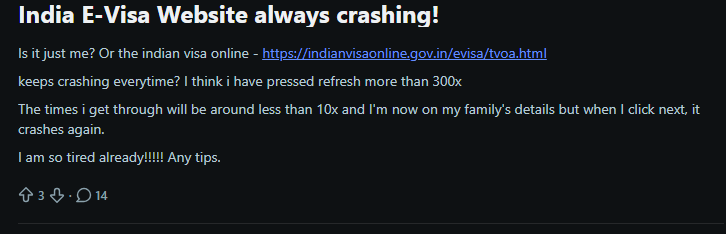
Applying for an India e-visa, or as a matter of fact, applying for an e-visa of any country, is supposed to be a straightforward online process. In reality, for many travellers in early 2026, it has been anything but. What should take minutes has stretched into hours, sometimes days. Reason being repeated crashes, pages stuck in browsing mode, and failed submissions, turning the visa application itself into the first test of patience.Here, in the context of Indian e-via, several travellers attempting to apply for it in January have reported facing persistent technical glitches on the official portal, often getting stuck midway through the application. Pages would load intermittently, only to crash when users clicked ‘Next,’ forcing them to refresh repeatedly and re-enter details from scratch. For families applying together, the frustration multiplied, with applications stalling just as personal or passport information was being submitted.The issue came into sharp focus after one exasperated traveller (aggravating-Stage 261) took to Reddit, asking if the experience was universal or uniquely cursed. “Is it just me? Or the Indian visa online keeps crashing every time?” the post read. “I think I have pressed refresh more than 300x… The times I get through will be around less than 10x and I’m now on my family’s details but when I click next, it crashes again.I am so tired already!!!!! Any tips.” What happened next was a deluge of messages that indicated this was anything but an isolated occurrence. Several people posted very similar experiences of spending days fighting the website on different devices and browsers. “Jan 2026: Absolute terrible experience applying for e-visa. It almost took us three days to lodge two applications,” one commenter wrote.
evisa

“Tried different timings, different browsers, IE mode in Internet Explorer, several different devices.” While the complaints were consistent, so were the workarounds, albeit unconventional ones. One of the most widely endorsed solutions was abandoning mainstream browsers altogether.“The only thing that worked for us was the DuckDuckGo browser (freshly installed). First application went smoothly with no crashing,” a user noted, adding that the second application still took an entire night to complete. Some recommended using Microsoft Edge and turning on Internet Explorer mode, which, although seemingly strange in 2026, helped some users. A user also described issues with file size restrictions following the conversion of images to PDF, eventually turning to online compression services simply to get past the point of uploading. Although the process of applying was chaotic for many, once their forms were submitted, approvals were received relatively quickly. “But the processing is pretty quick. Received approval in a day,” one comment noted. Disclaimer: The above article is based on a Reddit post and Times of India has not verified the veracity of the claim


Source link

Soha Ali Khan on nurturing curiosity without pressure


Soha Ali Khan on nurturing curiosity without pressure
Soha Ali Khan promotes a parenting philosophy that values the wonder of exploration over the race for early success. She highlights the importance of fostering open dialogue, enabling children to delve into their interests without the pressure of instant assessment.

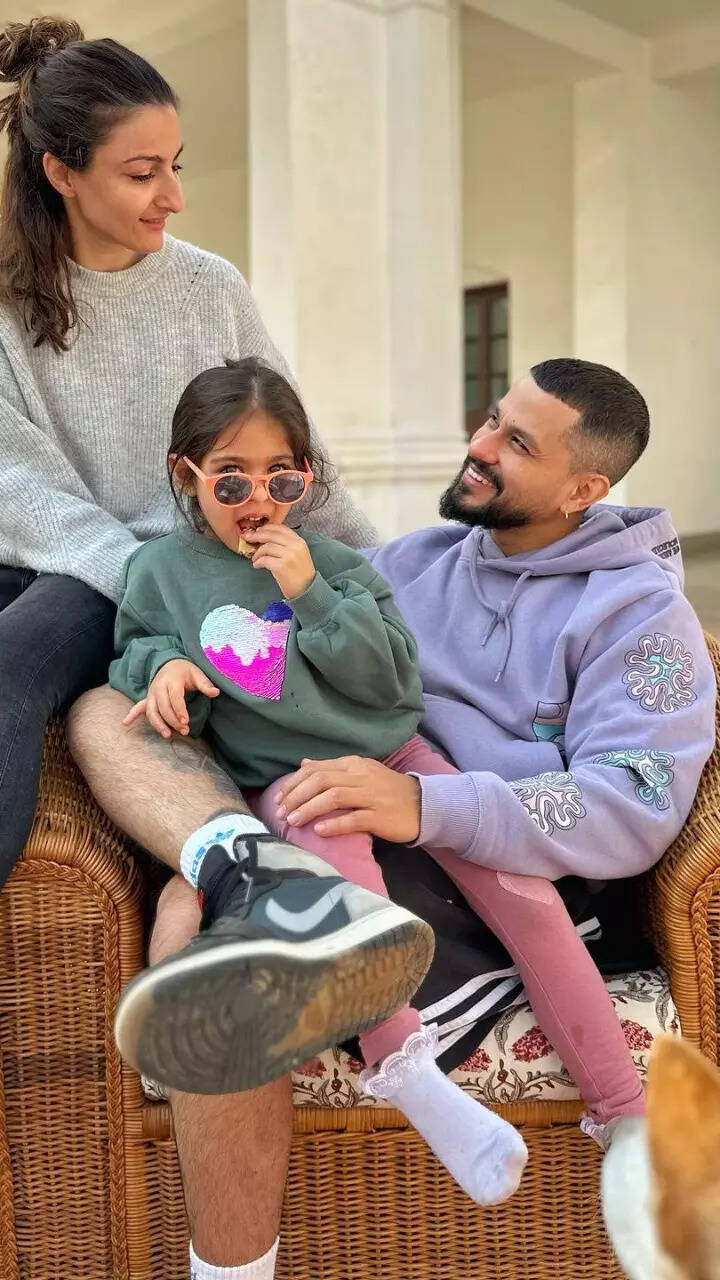
Childhood today moves like a timetable. Before a child has figured out what she enjoys, someone has already asked what she’s good at.Soha Ali Khan’s way of speaking about parenting feels like a quiet interruption to that rush. Not dramatic. Not preachy. Just a steady return to one idea: let children remain interested before you make them impressive.In conversations about raising her daughter Inaaya, Soha has pushed back against the idea that every hobby needs a destination. Speaking to NDTV she explained, “One pattern I consciously wanted to break was the idea that children should always be seen and not heard. With Inaaya I really wanted to encourage open communication, to let her ask questions, express her feelings and have a voice in the family.” That line does the work most parenting manifestos do and does it without sermonising.Curiosity, in her view, is fragile. It shrinks the moment it starts being evaluated. When children sense they are being watched for results, their questions become safer, their risks smaller. Rather than policing interests, Soha’s instinct is to let exploration breathe. In an interview with Indian Express she put it simply: the aim is not to convert play into performance but to allow play to remain play so the child can discover what she cares about.This does not mean the absence of structure. It means structure without urgency. Books, conversations and small rituals appear constantly in how she describes home life. In a feature for the Economic Times she talked about story time being sacred at home: Inaaya will bring a book and ask for a chapter, or invent a story “from your mouth” where the plot is all hers. Soha uses books not to build a résumé but to build an inner world.

Soha Ali Khan & Kunal Khemmu

Soha and Kunal celebrated New Year 2023 with fam at Pataudi Palace.

There is also an awareness of how modern childhood is shaped by noise. Screens fill gaps instantly. Comparisons travel fast. In a recent Hindustan Times conversation she shared a practical rule she follows to reduce screen dependence and encourage empathy. The result, she said, is that Inaaya learns to notice things and to be curious in ways that screens rarely invite.Allowing boredom matters too. Soha has said on her podcast conversations, including a candid episode with Kareena Kapoor Khan on ‘All About Her’ that boredom is not failure. It is the quiet where new questions form. She told listeners that giving children the room to be unoccupied is an underrated generosity.Pressure hides in over-scheduling, in turning every activity into achievement, in the urge to correct too quickly. Soha’s stance feels like a conscious slowing down. Let a hobby stay a hobby. Let questions wander without steering them toward usefulness. In a Tweak India discussion she admitted she still worries. “I am constantly anxious as a mother” she said; but that anxiety, when named, becomes a guide rather than a script.What is striking is that her view does not reject ambition. It refuses to begin there. When curiosity leads, effort follows more naturally. Children will interact because they want to know, not because they desire approval.Humility shapes how she speaks about parenting. She does not present herself as someone who has figured it out. A lot of her interviews read like a fellow parent talking to other parents, not like a celebrity dispensing doctrine. That tone changes the dynamic. When adults admit they are learning, children feel less pressure to be perfect.The silent takeaway of her view is this: not every interest requires a plan. Attention without evaluation can be the most valuable thing an adult gives. Curiosity, then, is the mood not the result. Atmospheres, more than instructions, are what children grow inside.Soha’s message is easy to miss because it is quiet. It is the small permission slips like, a story at bedtime, an unanswered question left to bloom, a rule about screens used thoughtfully. It is not glamorous. It is human. And it is exactly the kind of thing a child needs to discover who she becomes.


Source link

Albania’s visa rules explained: Who can enter this European country without a visa and what Indian travellers need to know |


Albania’s visa rules explained: Who can enter this European country without a visa and what Indian travellers need to know

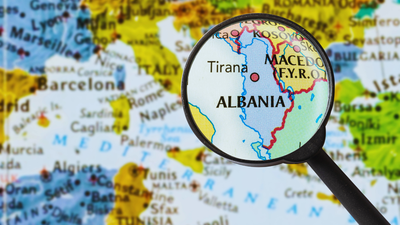
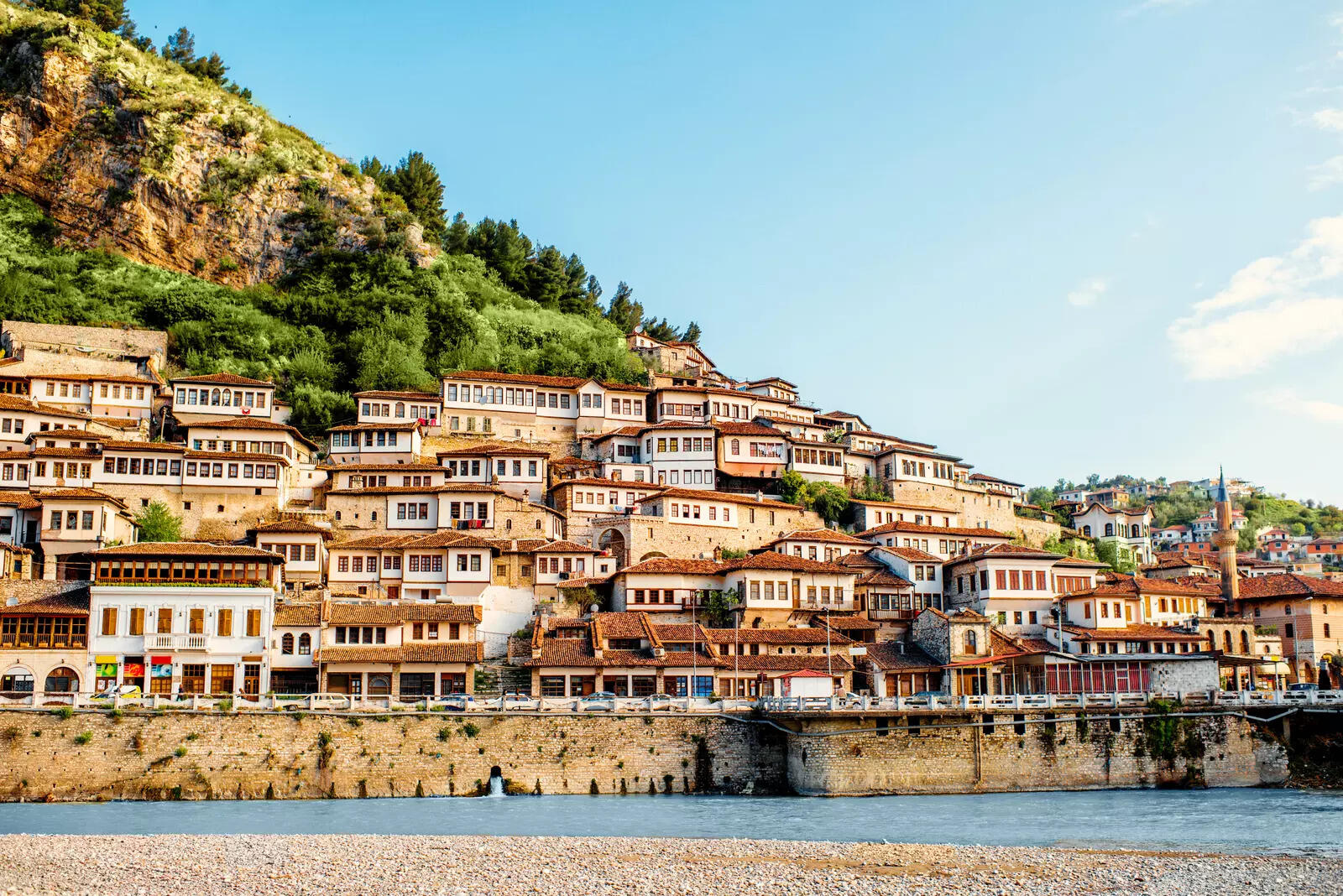
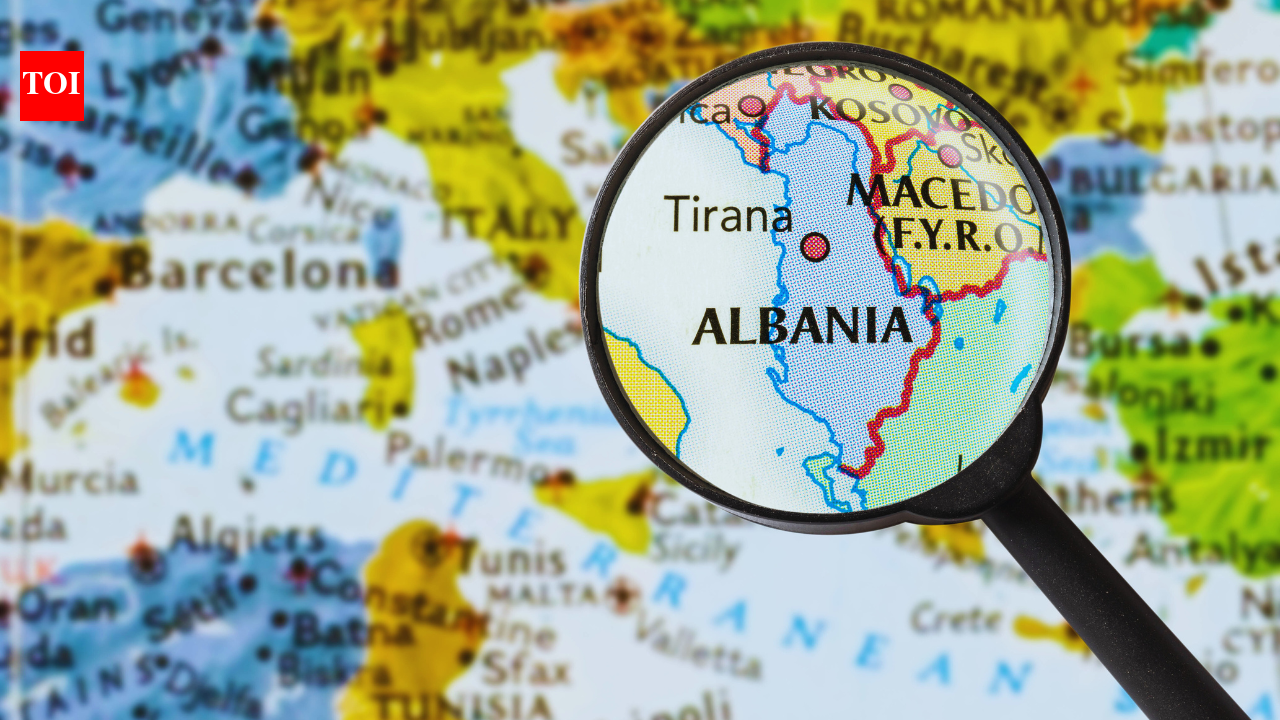
Albania has slowly grown in popularity as a sensible option for tourists considering a vacation throughout Europe. A number of groups of foreign nationals are allowed admission into the country without a visa, including citizens of certain nations during certain times and holders of valid Schengen, US, UK, and UAE residency documents. For more clarity, visit E-visa application system.Below is a clear, simplified overview of Albania’s current visa and entry rules, strictly based on official guidelines.

Who can enter Albania without a visa

Foreign nationals may enter Albania without applying for an Albanian visa in advance if they fall under any of the following categories:

most scenic

Holders of Schengen visas or residence permitsTravellers can enter Albania visa-free if they hold a valid, multiple-entry Schengen visa that has already been used at least once in a Schengen country, or if they possess a valid residence permit issued by a Schengen state.Holders of US or UK visas or residence permitsVisa-free entry is also allowed for those holding a valid, multiple-entry US or UK visa that has previously been used in the country of issuance, or for individuals with a valid residence permit for the United States or the United Kingdom.UAE long-term residence permit holdersForeign nationals holding a 10-year UAE residence permit, issued by the competent UAE authority and valid for at least one year from the date of entry into Albania, are exempt from Albanian visa requirements.Nationals with visa-free access to the Schengen Area Citizens of countries that enjoy visa-free travel to the Schengen Area may also enter Albania without a visa.Temporary visa-free access for select countries (2025)Citizens of Saudi Arabia, Oman, Qatar, Thailand, and Indonesia may enter Albania without a visa for tourism purposes only between 15 April 2025 and 31 December 2025, using only a valid passport.

Holders of EU-issued travel documents

Albania allows visa-free entry for holders of the following EU-issued travel documents:

  • Alien’s travel document
  • Refugee travel document (Geneva Convention, 28 July 1951)
  • Stateless persons’ travel document (New York Convention, 28 September 1954)
  • Travel document for persons under subsidiary protection

Albania visa types explained

Type “C” visa – Short stay

Allows stays of up to 90 days within any 180-day period. It can be issued as a single-entry, double-entry, or multiple-entry visa, either as a stamp visa or an electronic visa.

Type “D” visa – Long stay

Intended for foreigners planning to stay in Albania for more than 90 days within a 180-day period. This visa is valid for one year and allows stays of up to 90 days. It also enables the holder to apply for a residence permit after entering Albania. For Indian passport holders applying for an Albanian Type C (short-stay) visa, the visa fee is €15, regardless of whether the visa is single-entry, double-entry, or multiple-entry, according to Albania’s official consular fee schedule.

Who must apply for an Albanian visa

All foreign nationals whose countries are not listed in Albania’s visa regulation table are required to obtain a visa before travelling. Applications must be submitted through the Albanian embassy that is geographically closest to the applicant’s country of origin or legal residence.

Where and how to apply

Type A and Type C visas: Applications must be submitted online through Albania’s official e-Visa portal Type D visas: Applications must be made via the e-Albania platformVisa applications are processed by Albanian embassies, including those in Beijing, Abu Dhabi, and Istanbul, depending on jurisdiction. All applications are accepted online only, and applicants must be outside Albania at the time of payment.

Visa processing and decisions

Standard processing time: up to 15 working daysExceptional cases: up to 30 working days The applicant receives an electronic visa via email upon approval, which they must provide at both entry and exit points. The issuance of a visa does not ensure entrance because border officials have the authority to refuse entry if certain requirements are not fulfilled.Albania is rapidly becoming one of Europe’s more accessible tourist destinations, especially for visitors with Schengen, US, or UK visas, given to its expansive visa exemptions and flexible entrance regulations.


Source link

Union Budget 2026–27: International travel set to get more affordable and easier; know what changes this year |


Union Budget 2026–27: International travel set to get more affordable and easier; know what changes this year

Today, the 2026–27 Union Budget was presented in the Parliament by the Finance Minister Nirmala Sitharaman. It’s a budget that loves travellers as at the heart of the Budget’s travel appeal is a sharp reduction of the Tax Collected at Source (TCS) on overseas tour packages. Yes, this time, the Budget didn’t just target economic growth; it also also signalled towards making dreams of international travels cheaper and more achievable. Let’s have a closer look at it:Cheaper international vacations through TCS rationalisationEarlier, Indian travellers wanting to book international tours faced a TCS structure: 5% on tour packages up to ₹10 lakh and 20% on amounts above ₹10 lakh. But as per the new Budget, the finance minister proposed a uniform TCS rate of 2% on the sale of overseas packages. This flat-rate reduction means that travellers will pay significantly less tax at the time of booking.

Budget 2026 Overview: What Citizens And Businesses Should Know

It’s a welcoming move for travellers and industry leaders too. “The sharp reduction in TCS on overseas travel is an immediate demand stimulant for the sector and improves cash flows for both consumers and operators. More importantly, it signals the government’s intent to reduce friction in legitimate travel spending and support the formal travel economy,” said Kunal Gala, Partner in Deal Value Creation Services at BDO India. Affordability meets technology

Travel

Canva

Beyond tax cuts, the Budget also emphasises on technology-led governance in the travel sector. Hari Ganapathy, Co-Founder of Pickyourtrail, pointed out how these structural changes extend beyond the numbers: “From an outbound travel perspective, the emphasis on technology-led governance and the reduction in TCS on overseas tour packages meaningfully improve affordability, transparency, and ease of travel for Indian consumers.Industry ReactionAs per a joint statement by Aloke Bajpai, Group CEO, and Rajnish Kumar, Group Co-CEO of ixigo, “This year’s budget has also taken steps to make international travel, both outbound and inbound, more accessible and affordable for Indian travellers. The proposal to reduce the TCS rate on overseas tour packages to a flat 2% … is a welcome move for making outbound tourism more amenable.”

Travel

Canva

Beyond making travel cheaper, the Budget sends a clear message that tourism is a strategic economic sector. Aviral Gupta, CEO of Zostel & Zo World, noted, “The Budget’s reduction of the tax on overseas tour programme packages from 5% to 2% is a positive step that simplifies outbound travel and reflects the growing scale of global tourism activity. The focus on experience quality — through the training of 10,000 certified tourist guides, investments in hospitality education, and the development of 15 archaeological and cultural sites into experiential destinations — marks a clear shift towards value-led tourism.Impact on local economiesFor the hospitality sector, the Budget’s travel-friendly measures are expected to generate meaningful demand. Ayu Tripathi, Director of Aahana Resort, commented on how these changes might play out for service providers: though she was not quoted directly here, industry response generally underscores optimism that lower TCS, improved airport processes and hospitality training will enhance guest experiences — both for outbound and inbound travellers.Future of travel looking bright

Travel

Canva

India’s outbound travel market has grown rapidly in the last 10 years. There are over 10 million Indians who travel abroad every year for several purposes. The Budget’s measures, particularly the uniform 2% TCS, could strengthen this trend by lowering barriers to entry and making international travel more affordable for first-time and frequent travellers alike.


Source link

“That night, I wasn’t scared, because I’m disabled. I was scared because…” 26-year old’s story of strength that raises serious questions


"That night, I wasn’t scared, because I’m disabled. I was scared because..." 26-year old's story of strength that raises serious questions

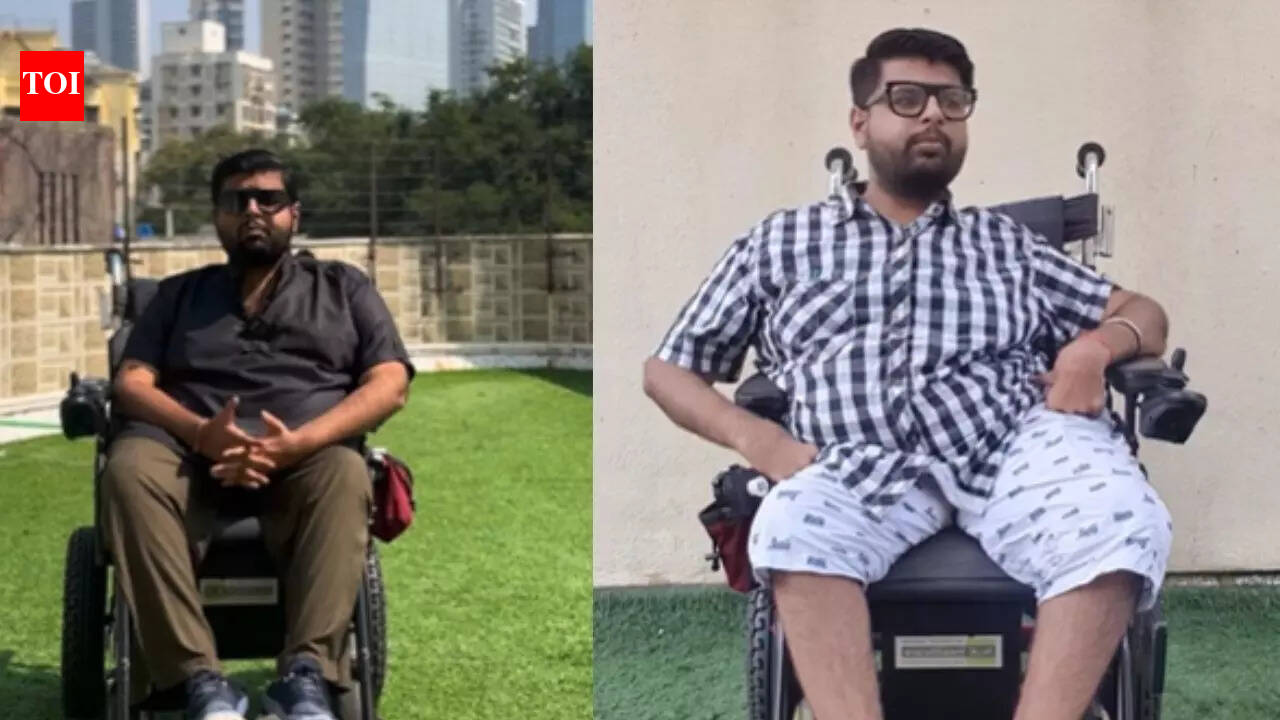
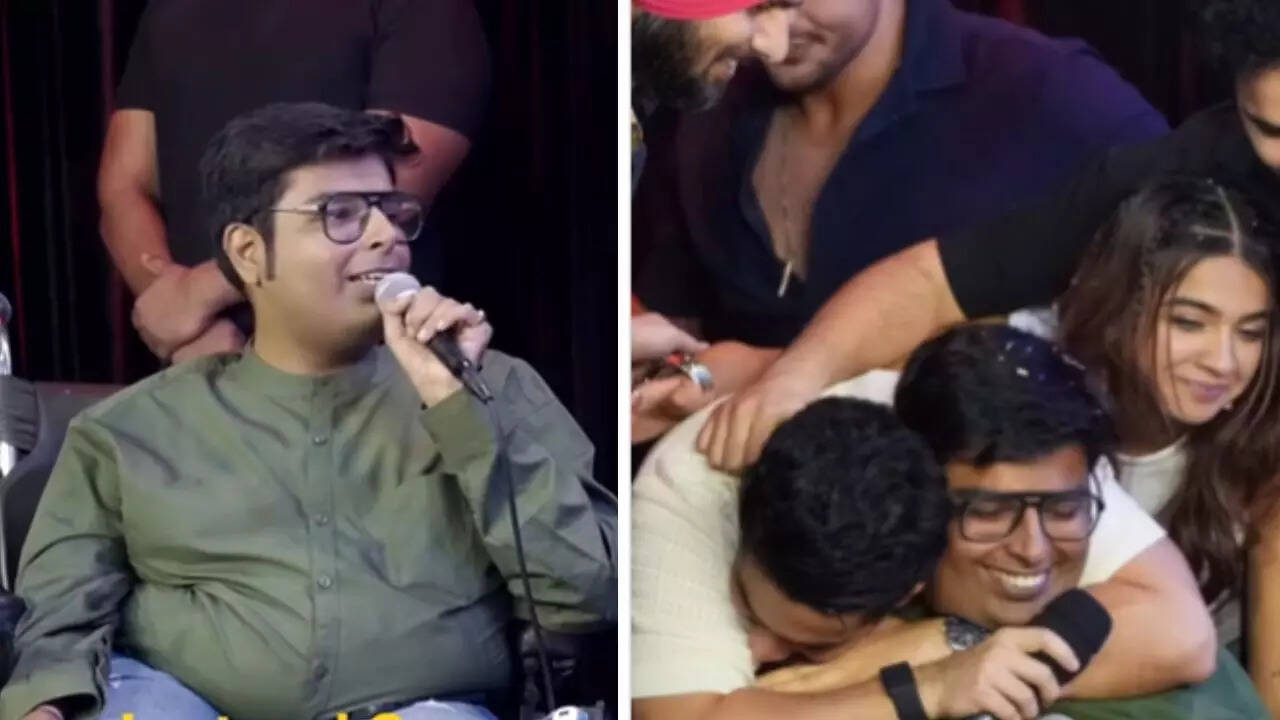
It is not easy being Karan Shah, but it is certainly worth being him. He seems to live by the famous quote, “He who laughs at himself never runs out of things to laugh at.”Karan Sunil Shah is in his early twenties and has an infectious sense of humour. He lives with Type III Spinal Muscular Atrophy (SMA), a genetic condition that affects the motor nerves responsible for voluntary muscle movement. His elder brother, who also had SMA, passed away due to cardiac arrest at the age of 14. One can only imagine the trauma Karan and his parents endured. Yet, Karan chose laughter over despair.Karan shares moments of humour and resilience in his instagram posts. Hi Instagram page rollyrollyshah describes him as Comedian, Canine & Feline Behaviourist and a Bharat Prerna Awardee. He once said that when he visited his therapist to sort through his emotions, the therapist advised him to deal with problems step by step-and laughed. As a child, Karan wanted to be a fashion model. Today, when his wheelchair is pushed up a ramp, he laughs and says, “God gave me a permanent ramp.Recently, one of Karan’s videos went viral, drawing attention to a harsh reality—how poorly people with disabilities are treated in many parts of the country. One day, while returning from work, Karan found that the lift at the Worli metro station was not working. Unfortunately, Worli is one of the few metro stations equipped with a functioning lift, according to Karan and on that fateful day, it was out of order. There was no way for him to access the metro without a wheelchair-accessible lift.

Image: Karan Shah's Instagram account

When he tried to seek help from the authorities, he was met with apathy. Karan waited for 45 minutes, repeatedly calling the emergency helpline. When someone finally responded, he was shockingly asked to “go on foot.” On foot? How does one expect a man in a wheelchair to travel from Worli to Dadar? He turned his camera towards the traffic, showing the busy roads—dangerous even for pedestrians, let alone someone navigating them in a wheelchair.“That night, I wasn’t scared because I’m disabled. I was scared because the system failed me at every step. Lifts, helplines, roads, washrooms-everything made me feel disabled. Living in the current century shouldn’t feel this unsafe. Accessibility is not luxury infrastructure. It’s basic human dignity,” he said.With no other option, Karan wheeled himself from Worli to Dadar on a dangerous road filled with traffic. Along the way, he desperately needed to use a washroom, but not a single one was wheelchair-friendly.“While growing up, I enrolled in Shiamak Davar’s dance classes for children with special needs and cancer. Once, Shiamak came home to meet me and told me I needed an angel in my life. Soon after, he gifted me a female Labrador puppy named Angel. Being a dog lover, I was thrilled,” Karan said in .Determined to train Angel himself, Karan not just managed to train her but also went on to became a certified dog behaviourist. .


Source link

What is FAFO parenting and why parents are talking about it


What is FAFO parenting and why parents are talking about it
There’s a shift happening in parenting styles, with many embracing the ‘Fool Around and Find Out’ (FAFO) philosophy. By letting kids experience the ramifications of their actions in a safe environment, parents are prioritizing experiential learning over traditional lecturing. This strategy nurtures independence and self-regulation.

FAFO parenting stands for “Fool Around and Find Out.” The idea sounds harsh, but the core is simple. Children learn best when actions lead to real, safe consequences. Instead of long lectures, parents step back and let small mistakes teach lessons. This style trusts experience more than warnings. It does not mean neglect or danger. It means allowing age-appropriate outcomes to do the teaching.

Where FAFO parenting comes from

FAFO is not a formal theory from a textbook. It grew from everyday parenting fatigue. Many parents noticed that repeated advice did not always stick. But one lived experience did. A child who ignores a reminder to carry a water bottle feels thirsty later. That feeling teaches faster than ten reminders. FAFO gives space for those moments, without shame or “I told you so.”

Social Media and Parenting: How to Ensure Safety of Children

How FAFO parenting actually works

The method has three quiet steps. First, the parent checks safety. Nothing risky is allowed. Second, the child is informed once, in clear words. Third, the parent steps back. The consequence arrives naturally. A forgotten homework leads to explaining it to the teacher. A toy left in the rain gets damaged. The parent stays calm and present, not punitive. The lesson comes from life, not from anger.

What FAFO parenting is not

FAFO is often misunderstood. It is not harsh discipline. It is not a public embarrassment. It is not letting children get hurt. A toddler touching a hot stove is not FAFO. That is unsafe. FAFO works only when the result is mild, reversible, and age-appropriate. The aim is learning, not suffering. When safety is at risk, intervention always comes first.

Why some parents see value in it

This style builds cause-and-effect thinking early. Children connect choices with outcomes. Over time, this supports self-control and accountability. It also reduces power struggles. The parent stops being the “bad cop.” Life becomes the teacher. Many children respond better to this calm distance. They feel respected, not controlled. That respect often leads to better cooperation later.

Where FAFO parenting can fall short

FAFO does not suit every child or situation. Anxious children may feel overwhelmed by consequences. Neurodivergent children may not link action and outcome in the expected way. Cultural and school pressures also matter. A missed assignment may affect grades beyond the lesson. Without emotional support, FAFO can feel cold. The style needs empathy to work. Silence alone is not guidance.

Using FAFO with care and balance

The strongest version of FAFO includes reflection. After the outcome, a short, kind conversation helps. What happened. Why it happened. What can change next time. No sarcasm. No blame. This closes the learning loop. FAFO works best when mixed with warmth, clear boundaries, and trust. It is a tool, not a rulebook.Disclaimer: This article is for general information only. Parenting styles affect children differently based on age, temperament, and health needs. FAFO parenting should never involve unsafe situations or emotional harm. For specific concerns, consult a qualified child health or mental health professional.


Source link

Top 5 cities in India for real estate investment in 2026


Hyderabad tops the chart of top cities in India for real estate investment in 2026. The city continues to make its position stronger on the list thanks to its booming IT, pharmaceutical, and manufacturing sectors. Areas including Kondapur, Gachibowli, and HITEC City are experiencing strong development activity attracting investors. Hyderabad’s relatively affordable entry prices, makes it an attractive option for mid-size and first-time investors. The city also has a metro connectivity, ring roads, and peripheral growth corridors.
(Canva)


Source link

Akshay Kumar’s focus on a “normal childhood” for his kids


Akshay Kumar’s focus on a “normal childhood” for his kids
Akshay Kumar champions a down-to-earth childhood for his kids, choosing to instill principles of self-reliance and integrity rather than relying on celebrity status. He maintains a close-knit relationship with his son, teaching him the value of hard work and appreciation for what he has.

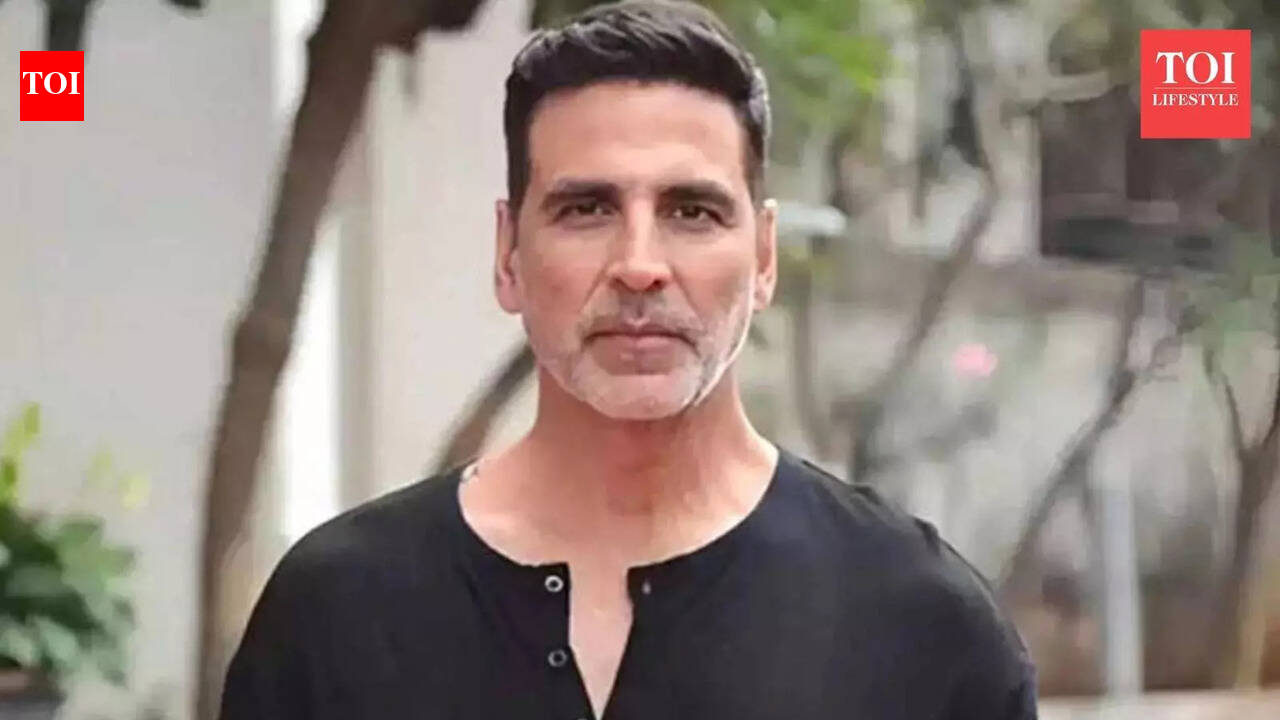
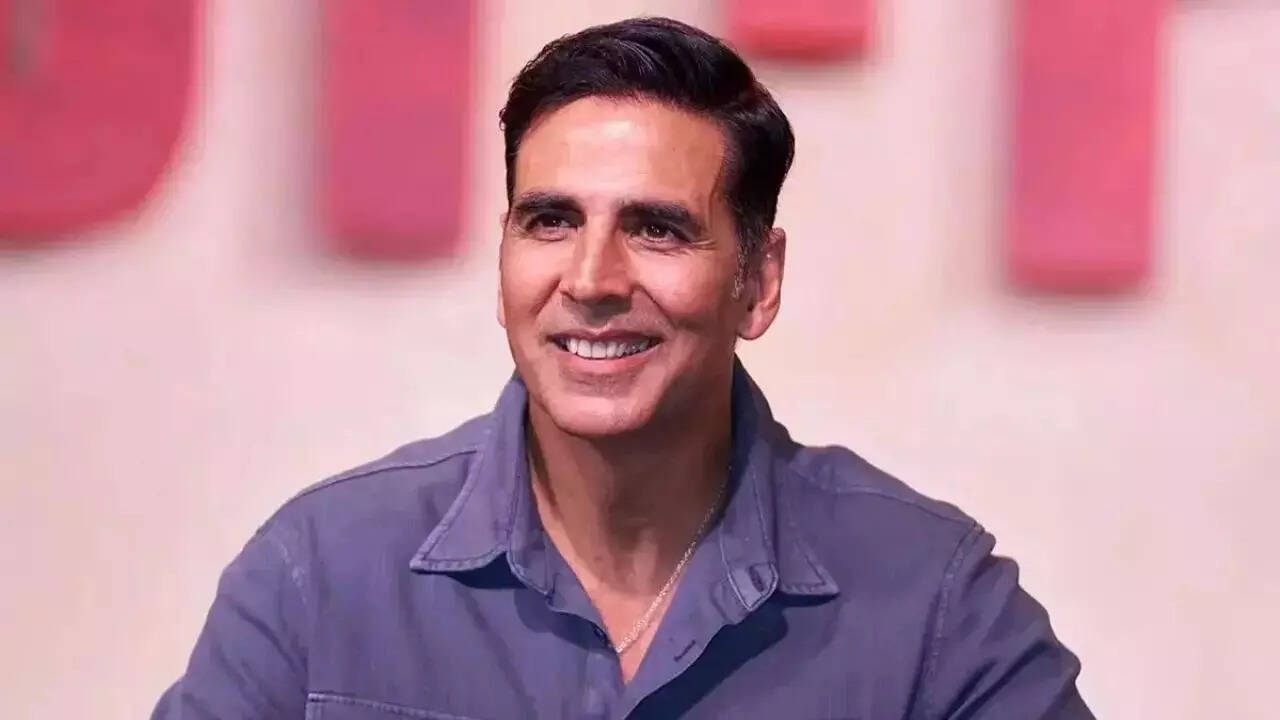
If you walk into Akshay Kumar’s house expecting celebrity chaos, you might be disappointed. No midnight movie star schedules. No dramatic parenting manifestos. More likely, you will find something surprisingly un-Bollywood: bedtime.For a man whose life runs on big sets and bigger action sequences, his voice softens when he talks about home. The spotlight fades. The father steps forward.In a conversation with NDTV, Akshay recalled a moment that defines the atmosphere he wants for his children. “He came to me and said that I don’t want to do films,” he shared about his son Aarav. The response was not persuasion. It was respect. Aarav choosing his own direction mattered more than continuing a film legacy.That idea of independence appears again in his parenting philosophy. Speaking about raising children, Akshay told KidsStopPress, “One needs to give kids the space to grow, and I do that. But instilling right values is important, that’s what my parents did, and that’s how I want it for my kids.” Space and structure, not pressure and expectation.In an interaction covered from his ABP News appearance, he described the emotional dynamic at home, saying, “I am not strict, that job belongs to my wife… I am more like a friend to my son.” It is a line that reshapes the image of celebrity parenting into something more conversational than commanding.

Akshay Kumar

His thoughts on upbringing also extend to responsibility. As he put it to KidsStopPress, “Whatever they get, they have to earn it. I want them to be responsible human beings who are also full of gratitude for what they have.” Stardom, in his view, should not replace effort.Even the emotional side of fatherhood finds a place in his words. In the same parenting conversation, he shared, “To all the fathers out there, hug your kids for as long as you can, because it’s your grip that makes them so strong to stand there and face it all.” It is less about ambition and more about emotional grounding.He has also spoken about the kind of patience he wants his children to learn. Reflecting on advice he once wrote to his son, he said, “Slow fire is much better than a two-minute noodle.” following his talk with ABP News. Growth is not instant. Life does not have to move at the speed of fame.Parenting, for him, seems less about preparing children for visibility and more about preparing them for stability. His own career reflects discipline and consistency, and that example becomes part of the environment his children grow up observing.The interesting thing about this approach is that it does not reject ambition. It simply refuses to let ambition replace childhood. Success, in his version of fatherhood, is not the opening chapter. It is something that can come later, built on character and habits that have nothing to do with cameras.In a world where children of celebrities often grow up under observation, the most radical choice might be to keep life unperformed at home.Normal, in this context, is not ordinary. It is protective. It allows children to grow without the weight of inherited expectation.Akshay Kumar’s parenting approach, at least from how he speaks about it across interviews and parenting conversations, is less about preparing children for fame and more about preparing them for a life that works even without it.And maybe that is the point. Stability has to be built long before success arrives.


Source link

No.1 parenting rule Catherine O’Hara never had to say out loud


No.1 parenting rule Catherine O’Hara never had to say out loud
Catherine O’Hara, the beloved star who left us at 71, exemplified the beauty of prioritizing family. Her career decisions revolved around her desire to be present for her sons, showing that joy and laughter should reign in the household.

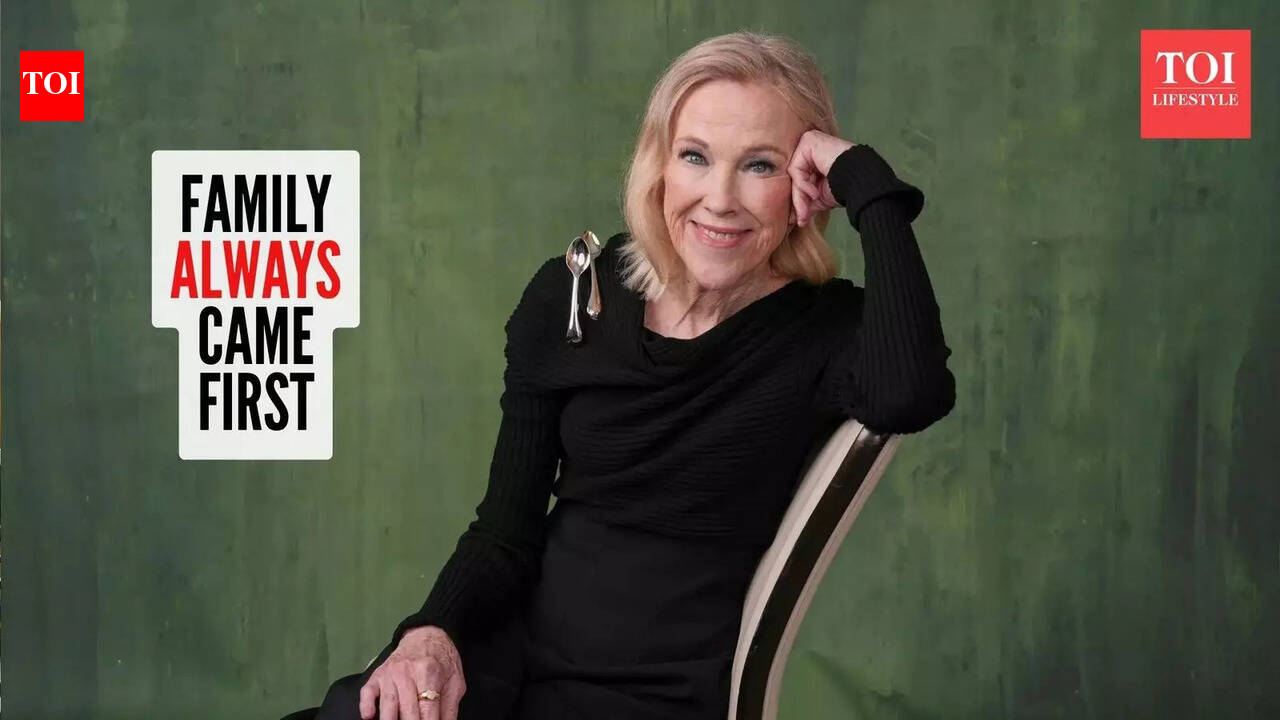
Catherine O’Hara, the beloved actress who brought warmth and humour to classics like Home Alone and Schitt’s Creek, died on January 30, 2026, at age 71. While the world admired her comic genius, she said the role she cherished most was being a mother to her two sons, Matthew and Luke, whom she shared with her husband, production designer Bo Welch.

The unspoken rule: Put family first

O’Hara’s number-one parenting rule wasn’t written in a handbook. It was lived day by day: family comes before fame. In interviews, she explained her work choices were shaped by this belief. “In deciding what work I might get involved in for my whole working life, my family’s always come first,” she said, adding that when her sons were babies, she often questioned the point of working if it meant leaving them. This wasn’t a catchphrase. It was a steady compass that guided her toward roles close to home and limited long trips that would pull her away from her children. That priority wasn’t simple. It required thoughtful trade-offs between career momentum and shared moments at home.

Laugh together, stay together

O’Hara also modelled another gentle rule: nurture joy in the everyday. She once said of her home life, “I’m proud to say, we all make each other laugh… They made each other laugh to the end.” Humour wasn’t just part of her profession. It was the glue of her family’s world. She cultivated light-hearted moments, encouraged her sons’ own funny instincts, and made laughter a steady rhythm in daily life. For parents, that lesson matters: caring for emotions and connection can be as powerful as teaching manners or routines.

Catherine O'Hara

Choosing presence over pressure

Over a career spanning decades, O’Hara chose projects that fit her family life. When offered work that required weeks of travel, she weighed the cost with real honesty. She once explained how a job in London became a life lesson: she kept it short and simple because a long absence didn’t feel right for her and her young sons. That doesn’t mean she avoided challenges. It means she measured success not by awards or applause but by presence. In today’s culture, where busyness is often praised, her quiet commitment to presence offers a refreshingly human model.

A legacy that speaks without words

O’Hara rarely spoke publicly about parenting tips. Yet her life broadcast a clear message: be there, truly and fully. For many families, that message resonates deeply because it mirrors the hopes parents tuck into every day: being present when little feet run into the room, when jokes spill at the dinner table, when life’s ordinary moments become memories.Her own sons later joined her world behind the camera, working on Schitt’s Creek and The Last of Us, proof of their shared creative life and the environment that nurtured their gifts.

What can parents take home?

O’Hara’s unspoken rule isn’t about perfection. It’s about intention. It’s about making choices that align with values rather than the loudest applause. And it reminds parents that the most lasting legacies grow in small, everyday moments, breakfasts, afternoon jokes, bedtime stories, and shared laughter.Disclaimer: This article is based on publicly available information about Catherine O’Hara’s life and statements. It aims to reflect her perspectives accurately, with quotes and details drawn from verified interviews and news reports.


Source link

The temple that houses pythons, lets them go out to hunt, and welcomes them back |


The temple that houses pythons, lets them go out to hunt, and welcomes them back

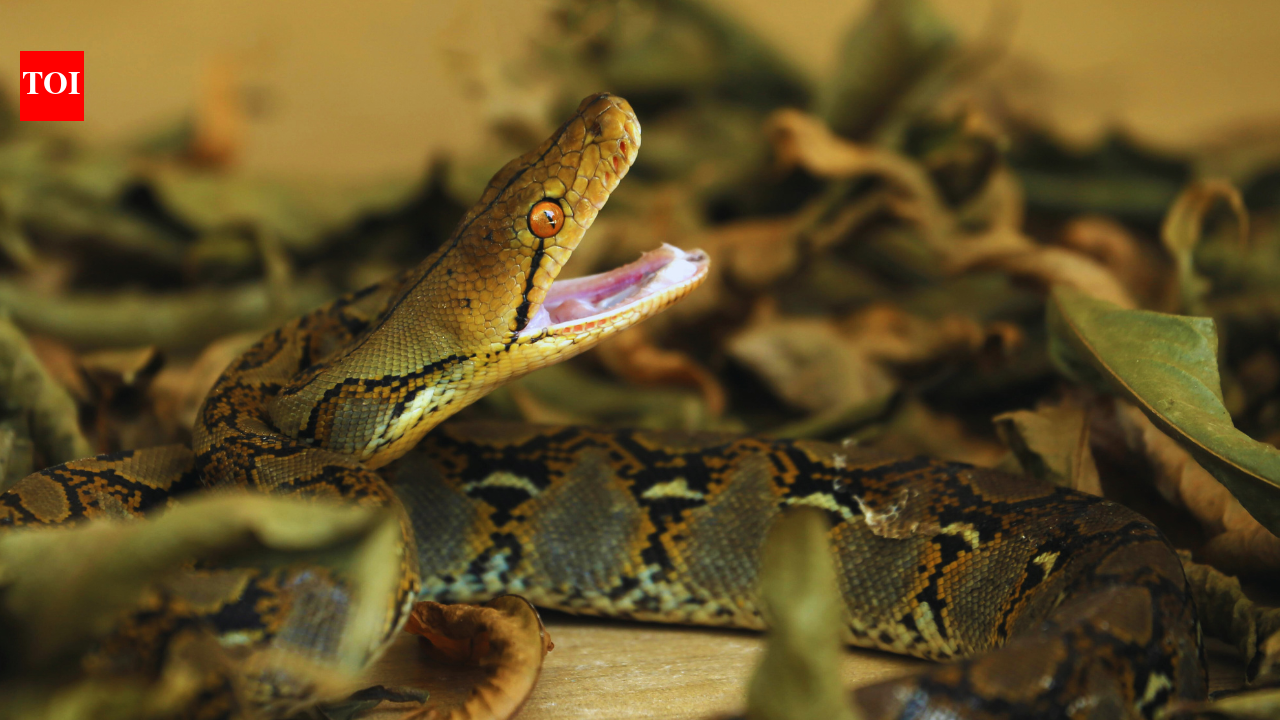
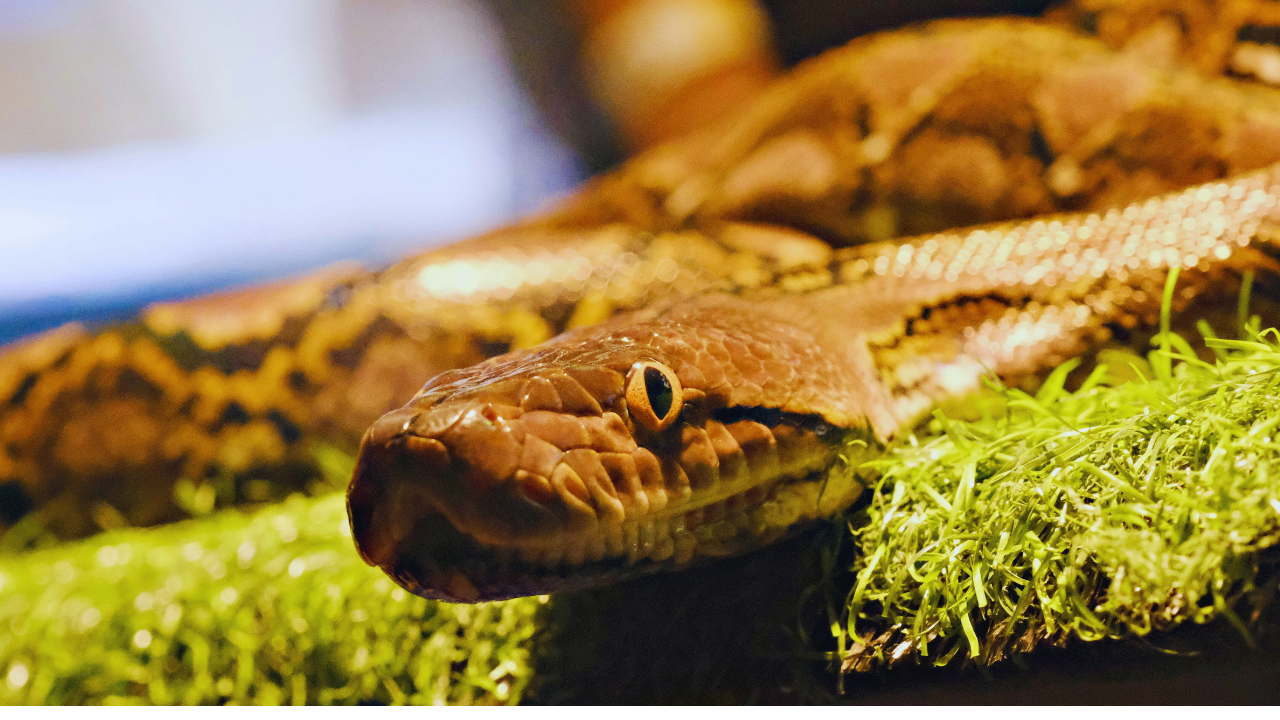
The Temple of Pythons is a rare sacred place where religion, history, legend, and living ritual come coiling together, quite literally, which is around snakes. The temple is deeply tied to Vodun, a spiritual tradition practiced across parts of West and Central Africa, particularly in Benin, Togo, and Ghana. Through the African diaspora, Vodun beliefs travelled to the New World, influencing spiritual systems such as Haitian Vodou and Louisiana Voodoo. Within this belief system, snakes are not feared creatures but revered symbols of protection, balance, and spiritual mediation. At the heart of Vodun theology stands Dan, the rainbow serpent: a sort of intermediary super being between our world and that inhabited by spirits. Pythons, linked to this cosmic power, are revered as embodied divinity and not as creatures to be tamed or caged. Local lore lends the temple a rich sense of history. One such common tale is of the 1700s when the king of Ouidah was being pursued by enemies during a time of war. Racing into an adjacent sacred forest, the king took cover among the trees, and this, as legend goes, was when pythons started to appear from nowhere in the underbrush, surrounding him and standing in the way of his capture. Appreciative of the protection provided, the king ordered that monuments be built paying tribute to the snakes, which would eventually grow into what is now known as the Temple of Pythons.

python

Another tale is told of a woman who is fleeing war and famine, she meets a python in the bush and takes it home with her. By night, the snake would wind through the adjoining fields eating rodents and pests,helping crops flourish. With time, the python was considered as not just a protector of food but a spiritual guardian. Today the Temple of Pythons is a small concrete building adorned with a clay roof. Inside is a pit where dozens of royal pythons, which are prized for their calm, docile and relentlessly slow-moving behavior, relax in coils on top of one another. It’s believed that about 60 pythons are kept at the temple site, which is also home to the largest number of sacred pythons found anywhere in Benin.The priests do not feed the snakes. They are set free into town on schedule, usually released during night time when they can go hunting for mice, rats and other pests. It is not rare for pythons to end up in village houses. Once that happens, nobody in the neighborhood panics. The snakes are welcomed back as honored visitors.Contrary to popular fears, people are not in danger from Python. They are not poisonous and has such a gentle nature. Visitors can hold the snakes after a short hand-purification ritual, and for a fee they can have their photos taken. Guides help lead the way, to ensure visitor comfort and, more important, to protect the snakes.Apart from being a tourist destination, the temple is still used for worship. Some of the structures in the complex are for the public, some serve only prayer purposes.According to temple guides, the pythons are ceremonially-set free once a month to purify the town in rituals dating back centuries.In Ouidah, snakes are not symbols of danger or deceit. They are protectors, spiritual intermediaries, and living reminders of the town’s layered past. The Temple of Pythons is one of those rare places where myth, and faith still remain together, and without fear.


Source link