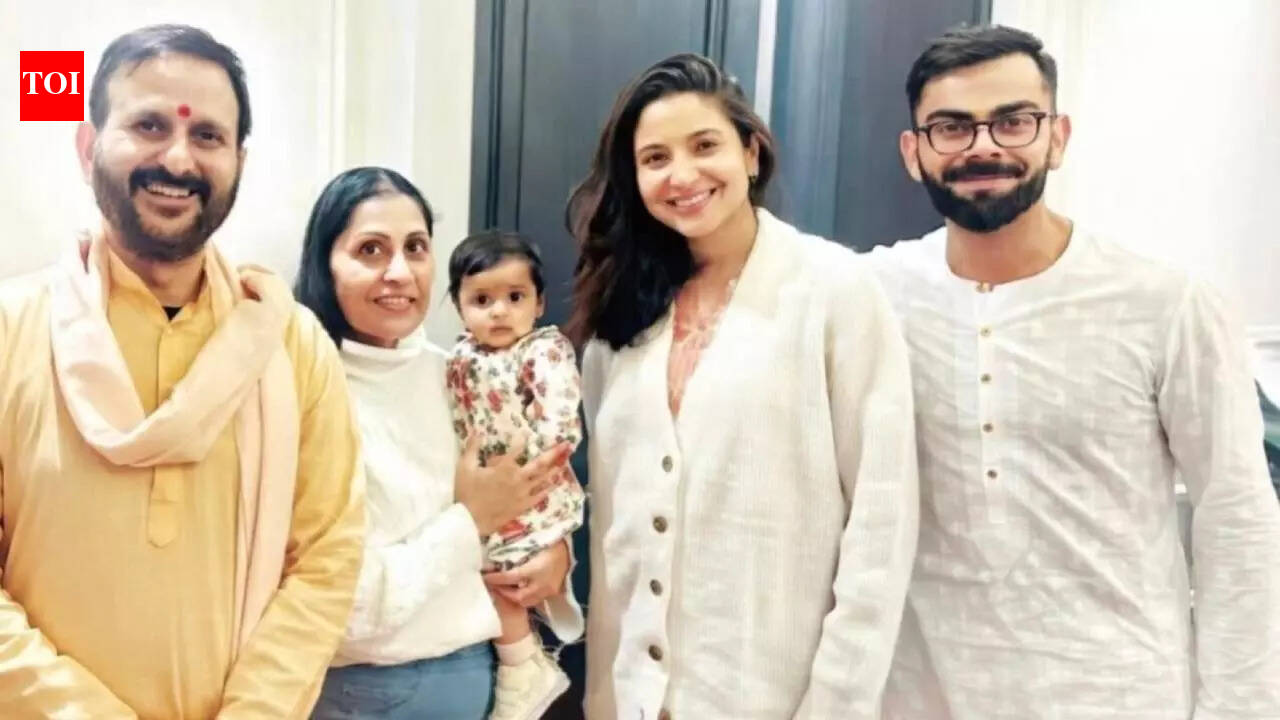
Virat Kohli and Anushka Sharma have been spending time away from the noise of fame at their London home. Known for fiercely guarding their privacy, the star couple recently offered a rare glimpse into their personal world — rooted in faith, calm and togetherness.Photos from their London residence showed Virat and Anushka performing a religious puja. The images, intimate and unguarded, quickly went viral on social media.
Virat Kohli Ditches Big Party for Anushka Sharma, Rings in 2026 with Family Love in Dubai
In the pictures, Anushka is seen wearing a white cardigan over an orange outfit, while Virat keeps it simple in a white kurta. The couple poses with a priest and a woman after the puja, their expressions calm and content.
After a hiatus, renowned filmmaker Sajid Khan is diving back into the director’s chair with his gripping new horror film, ‘Hundred’. This project marks the Bollywood debut of Yashwardhan Ahuja, the son of legendary actor Govinda, who will star alongside the talented Nitanshi Goel. Filming has kicked off in the bustling Mumbai Film City, igniting excitement among fans.
Sajid Khan, after a long break, is set to return as director for his next, a horror film. As per the reports, the filmmaker has taken up the challenge to direct a horror drama. Not just that, Govinda‘s son, Yashwardhan Ahuja, will be making his Bollywood debut with the film. Let’s learn more about it.
Sajid Khan to launch Govinda’s son, Yashvardhan Ahuja
According to the Bollywood Hungama report, Govinda’s son, Yashvardhan Ahuja, and Nitanshi Goel of the ‘Laapataa Ladies’ will be headlining Sajid Khan’s horror flick. As per reports, the movie has been titled ‘Hundred’. Reportedly, the film started rolling in Mumbai’s Film City just two days ago. A source told the publication, “The makers of ‘Hundred’ began the shoot of the film in Mumbai’s Film City on Friday, January 23. They purposely chose this day to coincide with the commencement of filming on the occasion of Basant Panchmi.“
More about Sajid Khan
Recently, the filmmaker Sajid Khan was in the news after he suffered an injury while shooting in Mumbai. The director was filming for an Ekta Kapoor project when the incident took place. As per the reports, he fractured his foot and had to have surgery. His filmmaker sister Farah Khan told the Hindustan Times, “The surgery is done; he is absolutely fine now.”Sajid Khan was last seen in the reality show ‘Bigg Boss 16’, hosted by Salman Khan. The contestants on the show with whom he shared a good equation were Shiv Thakare, MC Stan, Nimrit Kaur Ahluwalia, Sumbul Touqeer Khan, and Abdu Rozik.
Does Govinda play a role in son Yash’s professional journey?
In an interview with MissMalini, Govinda’s wife, Sunita Ahuja, opened up about how much the former superstar is involved in their son, Yashvardhan Ahuja’s career. She said, “Being Govinda’s son, he didn’t tell him, ‘Aap meri help kardo.’ Govinda ne bhi uski koi help nahi ki. Maine uske muh par bola, ‘Tu baap hai ki kya hai?’”
The program, which received an overwhelming response of more than 50,000 confirmed early registrations, connects clinical knowledge with data science, preparing future healthcare leaders to effectively manage AI solutions in real-world settings.
Mint explains the scope and aim of the program and what it means for India’s medical education.
What does this program mean for postgraduate students across different fields?
This initiative targets approximately 50,000 postgraduate medical students from NBEMS-accredited institutions. It connects clinical knowledge with data science, preparing future healthcare leaders to effectively manage AI solutions in real-world settings. In specialized fields like radiology, pathology, and cardiology, AI tools enhance diagnostic accuracy and assist in personalized treatment planning.
By offering this training free of charge, the program ensures that every trainee and faculty member gains equal access to advanced AI and machine learning skills that were previously restricted to elite research environments.
By offering the training for free, the program gives all trainees and faculty equal access to advanced AI and machine learning skills once limited to elite research environment.
This digital-first approach enables doctors in both rural and urban areas to access the same high-quality education simultaneously.
While a doctor’s human touch and medical skills are what get them hired, AI knowledge enhances their existing capabilities. A doctor is selected based on their medical expertise and exam scores, but knowing AI makes them more efficient and valuable to hospitals.
What makes the curriculum locally relevant?
The curriculum is a multidisciplinary academic collaboration between global faculties from institutions like Harvard, Mayo Clinic, and the University of London, and premier Indian institutes, including the IITs, AIG Hyderabad, and IIM Lucknow. Designed using feedback from a national survey of trainees, faculty, and healthcare administrators, the program ensures alignment with global standards and local adaptability.
This initiative is about fostering innovation, ensuring Indian doctors are not passive consumers of foreign algorithms but active co-creators of medical solutions rooted in India’s unique epidemiological and resource contexts. Delivered via an indigenous e-learning platform, the program consists of 20 high-impact sessions running from January through July 2026. Participants will receive a formal certificate upon completion.
Is AI really necessary for modern medical doctors?
Doctors today manage massive volumes of information—from imaging and lab results to electronic records—often under tight deadlines. AI serves as a vital clinical support system, analyzing this data quickly to support better decisions.
“The integration of AI in medicine is a progressive path that provides doctors with a powerful tool to enhance their profession, though it will never replace the essential human touch and empathy of a physician,” said Dr Abhijat Sheth, president, NBEMS, and chairman of the National Medical Commission (NMC).
“Our goal at NBEMS is to ensure that both postgraduates and undergraduates are acquainted with AI’s practical applications, ethical values, and limitations. By offering specialized training, we aim to complement existing medical expertise and prevent de-skilling, ensuring that the doctor remains the final decision-maker for patient care in this technological era.”
Does it address ethics and industry standards?
The program bridges clinical knowledge and data science, promoting the ethical use of technology to prepare healthcare leaders to assess AI solutions in real-world settings.
Beyond instruction, it incorporates industry collaboration with tech startups and digital health platforms. This engagement ensures exposure to real-world deployments, regulatory considerations, and the pathways from research to bedside practice.
Key principles include accountability for AI-assisted decisions, accessibility to bridge healthcare gaps, and the ethical safeguarding of patient interests. These standards ensure technological advancements strengthen, rather than compromise, clinical care.
By focusing on these pillars, the initiative moves beyond basic technology to establish a comprehensive professional framework. Artificial intelligence can’t replace human intelligence. It is only going to enhance your knowledge and help you in treating the patient in a scientific way, said Dr. Dilip Bhanushali, president, Indian Medical Association (IMA).
What role is technology playing in medical education in India right now?
Medical education is currently in a modernization phase to keep pace with an increasingly complex and data-driven healthcare landscape. Dr Sheth emphasized that modern medical education requires two key elements: India must develop innovative solutions to provide the best medical education while addressing the current lack of uniformity.
“One of the challenges for medical education is to enhance quality and we need to bring uniformity into the education system. In this era of technological advancement and complexity, we need to adapt all these newer solutions—digital education and innovative methods—which will eventually complement current methods and motivate the current generation of doctors,” Dr Sheth said. This approach aims to bridge the gap between traditional learning and future tech.
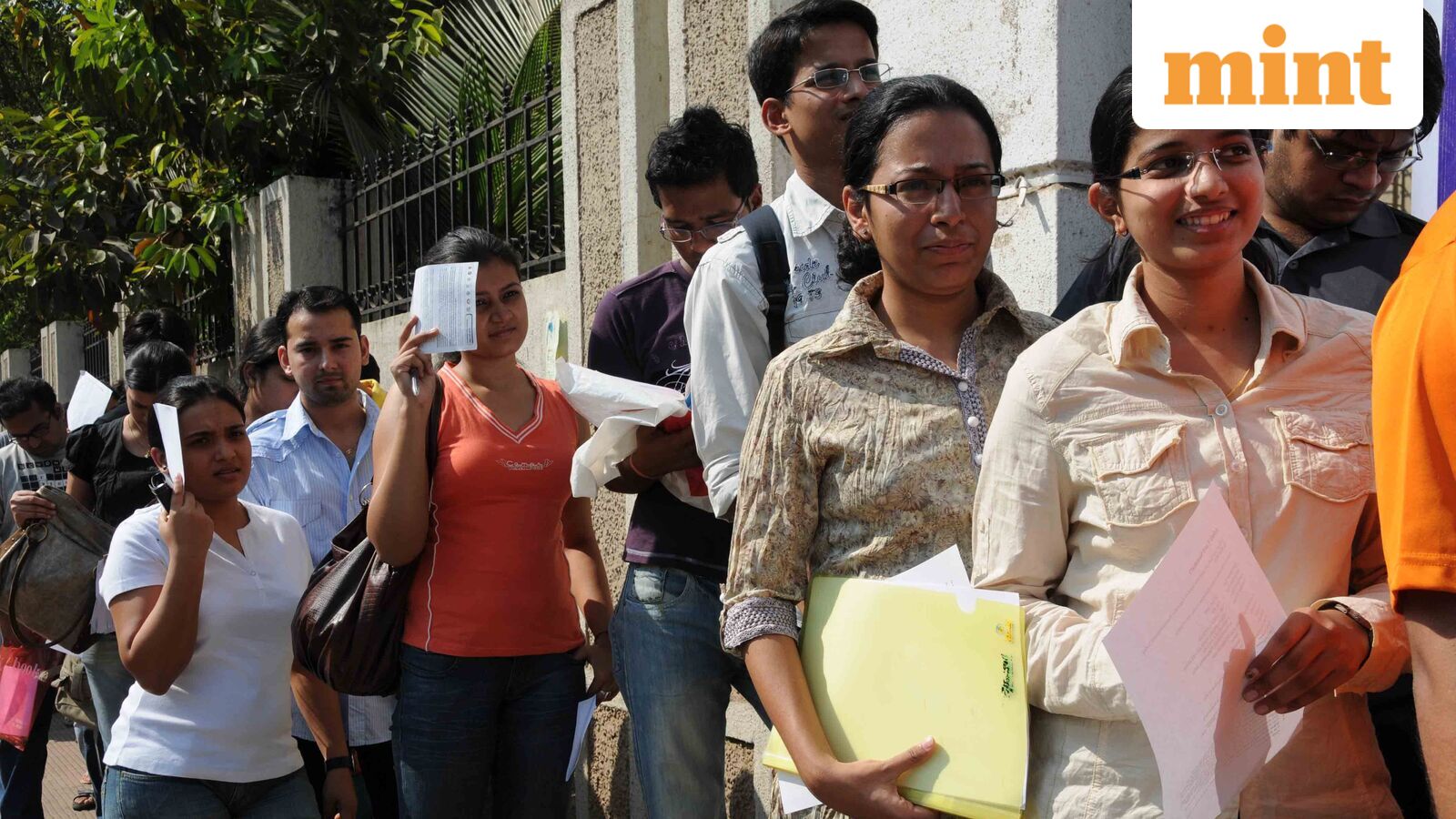
JEE Mains results 2026: Shift 2 of the entrance exam was held today, Thursday – for which the paper was easier as compared to the exam held on Wednesday, candidates have reportedly said.
JEE Mains results 2026 date
Although no official dates have been announced as to when the JEE Mains results for 2026 would be declared, past year trends show the scores could be released any time in February.
Last year, the JEE Mains exam results were announced on February 11, 2025. Once announced, candidates can check their JEE Mains results via the official website – jeemain.nta.nic.in
The official answer keys are yet to be released by the examination board.
JEE Mains answer key 2026: How to raise objections?
Once answer keys for JEE Mains are released, candidates can also raise objections for the same via the following steps: – Visit the official website and click on JEE Main answer key 2026 objection window link
— Enter the required login credentials such as application number, date of birth
– Select the questions for which you want to raise objections
– Upload answers and submit documents to support the same
– Pay fees for answer key objection and click on Submit
JEE Mains Shift 2 paper analysis: Maths easy, Chemistry moderate?
In today’s paper, questions from the Mathematics section came as a pleasant surprise for many candidates, with most calling it easy. Physics was rated moderate to tough, while Chemistry was largely considered moderate.
Students also pointed out that the paper leaned more heavily on the Class 12 syllabus, which accounted for around 65% of the questions, while the remaining 35% came from the Class 11 syllabus, as per multiple online study portals.
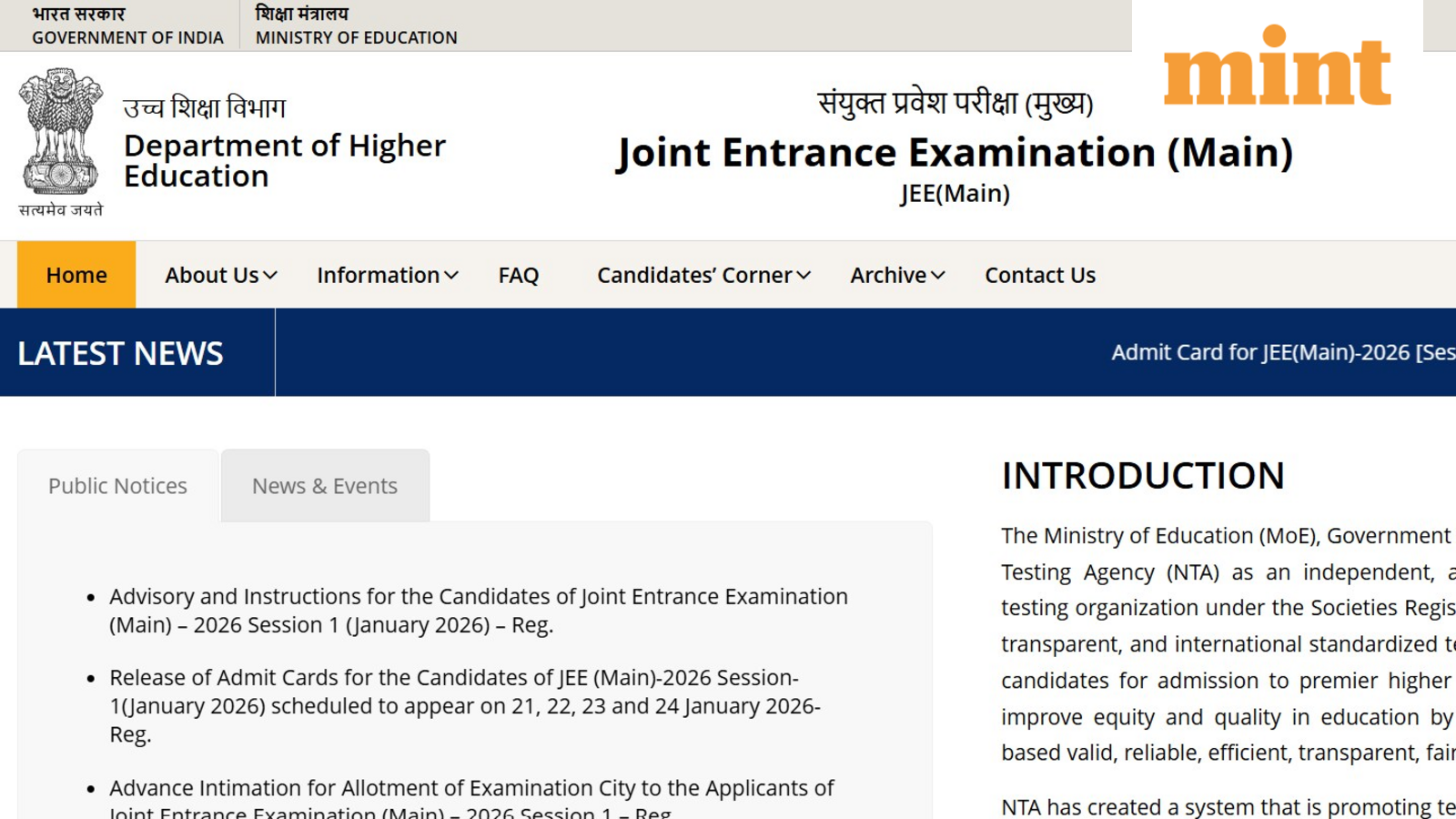
The National Testing Agency (NTA) has officially released admit cards for the JEE Main 2026 January session.
Candidates who have registered for the exam can download their admit cards from the official website jeemain.nta.ac.in.
The hall ticket is mandatory for entry into the examination centre, and no candidate will be allowed to appear for the exam without it.
The January session of JEE Main 2026 will be conducted from January 21 to January 29, 2026, while the second session has been scheduled from April 2 to April 9, 2026.
The candidates are advised to download the admit cards using their application number and date of birth (DoB), verify all details, and take a clear printout.
It is essential for candidates to review all details carefully and promptly notify the National Testing Agency of any discrepancies. The JEE Main 2026 exam, spanning three hours, encompasses the subjects of Physics, Chemistry, and Mathematics.
The assessment comprises 90 questions in total, with 30 items dedicated to each subject. Every subject is partitioned into two parts: Section A features 20 multiple-choice questions, while Section B consists of 5 numerical-value questions.
Candidates earn 4 marks for each correct answer, but a penalty of 1 mark is applied for every wrong answer. The overall examination is valued at a maximum of 300 marks.
Follow the following steps to download the JEE Main 2026 admit card:
– Visit the official website jeemain.nta.ac.in.
– Click on ‘JEE Main Admit Card 2026’ link
– Enter Application Number and Date of Birth
– Download the PDF of the admit card and check all the details carefully
The hall ticket contains important details, including
– Candidate’s name and roll number
– Reporting time and exam centre address
– Examination date and timing
– Photograph and candidate’s signature
– Important instructions for the exam
* It is advisable to candidates to check the official website jeemain.nta.ac.in for correct and further details.
NTA allots alternative JEE Main date in Bengal
The National Testing Agency on Thursday said it will provide an alternative date for candidates scheduled to appear for JEE (Main) 2026 Session-I in West Bengal on January 23, following requests citing Saraswati Puja and the birth anniversary of Netaji Subhas Chandra Bose.
The representations to the agency were made by West Bengal Chief Minister Mamata Banerjee as well as Union minister Sukanta Majumdar.
In a social media post on X, the NTA said: “In view of the representations received from candidates in the state of West Bengal regarding the celebration of Saraswati Puja on 23rd January 2026, it has been decided that all candidates scheduled to appear for JEE (Main) in West Bengal on 23rd January 2026 shall be allotted another date of examination among the advertised dates for the JEE (Main) 2026 Session-I examination.”
MAHA TET result 2025: The Maharashtra State Council of Examination (MSCE) declared the most awaited Maharashtra Teacher Eligibility Test (MAHA TET) result 2025 on Friday, 16 January. Candidates who appeared for the exam can check their scorecard at the official website of the State Council, mahatet.in.
The MAHA TET exam was conducted on 23 November. no negative marking in the MAHA TET. The MAHA TET exam comprised Paper 1 and Paper 2, both consisted of 150 questions carrying 1 mark each. Notably, there was no negative marking in the MAHA TET exam.
How to check MAHA TET result 2025-26
Follow the steps mentioned below to check and download the MAHA TET result 2025-26:
Step 1: Visit the official portal at mahatet.in.
Step 2: Select MAHA TET result link available on the homepage under the ‘Important Event’ section.
Step 3: Enter username and password to login.
Step 4: The user will be directed to a new page displaying the result. Check and download MAHA TET 2025 result.
Check key details on scorecard in addition to marks such as candidate name, roll number, qualifying status, category, etc. Take a printout and keep the hard copy for future reference.
MAHA TET result 2025-26 objection window to remain open till 21 Jan
The window to raise objections will remain open for 6 days which implies that candidates can challenge the answer key till 6:00 PM of 21 January.
All those candidates who have qualified the MAHA TET exam will be issued the Teacher Eligibility Test certificate by the MSCE. This certificate is an important document in the resume for those seeking government and private teaching jobs in Maharashtra schools. However, MAHA TET certificate does not guarantee teaching jobs to candidates.
MAHA TET qualifying marks and cutoff
Candidates need to score at least the minimum qualifying marks to qualify the MAHA TET exam:
General Category: Minimum qualifying marks — 60%
OBC/SC/ST/PwD: Qualifying marks — 55%
MAHA TET validity
The MAHA TET certificate has lifetime validity. In 2011, the NCTE extended the validity of the TET certificate for life.
JEE Main exam date for West Bengal was recently rescheduled by the National Testing Agency (NTA). The testing agency has postponed the Joint Entrance Examination (JEE) Main 2026 exam slated for January 23 in view of clash with the auspicious festival of Saraswati Puja. As per the initial schedule, the national-level exam was scheduled between 21 and 29 January.
According to the notification issued on Thursday, 15 January, a revised exam date for the state will be announced soon.
In a post X, NTA stated, “In view of the representations received from candidates in the state of West Bengal regarding the celebration of Saraswati Puja on 23 January 2026, it has been decided that all candidates scheduled to appear for JEE (Main) in West Bengal on 23 January 2026 shall be allotted another date of examination among the advertised dates for JEE (Main) 2026 Session 1 examination. For any queries, candidates may DM @NTA_Helpdesk or write to us at jeemain@nta.ac.in,or contact us at 011-40759000.”
West Bengal Chief Minister Mamata Banerjee claimed responsibility for the rescheduling of the JEE Main exam in West Bengal. Taking credit for rescheduling the exam, Mamata Banerjee in a social media post on X alleged that she lobbied for the interest of the students appearing in the engineering exam this year. Since, the examination has been postponed she asserted that the students will be able to celebrate the festival and offer prayer to Goddess Saraswati.
The post states, “Earlier GOI/ National Testing Agency had scheduled Joint Entrance Examination on 23 January, which happens to be Netaji’s birthday and Saraswati Puja, which the students are expected and habituated to celebrate with respect. This put our students into difficulty and I intervened to protest and seek a change.Due to my intervention, GOI/ National Testing Agency has arranged to give an alternative examination date for our boys and girls; so they will have scope to pray to Goddess Saraswati on that day! Best wishes!”
JEE Main 2026 admit card
On 8 January 2026, the JEE Main 2026 advance intimation slip for Allotment of Examination City was released at the official website, jeemain.nta.nic.in. The dates for both Paper 1 (B.E./B. Tech) and Paper 2 of Session 1 were also released. The Testing Agency will soon release the JEE Main 2026 Admit Card.
The Joint Entrance Examination will be held in two shifts on first four days. For Paper 1, exam will take place in first shift between 9:00 AM and 12 noon while the second shift exam will be held from 3:00 PM to 6:00 PM. Notably, Paper 2 exam will be conducted on the last date in single shift between 9:00 AM and 12:30 PM.
The Rajasthan Staff Selection Board (RSSB) has announced the results for the Grade/Class 4 recruitment, covering 53,479 vacancies, today, January 15, 2026.
The examinations took place from September 19 to 21 at 1,300 centers.
Board Chairman Alok Raj recently shared on X (formerly Twitter) that the Rajasthan Grade 4 Result 2025-26 was announced on January 15, 2026, and candidates can download the PDF starting January 16, 2026. The result PDF is available on the official RSSB website at rssb.rajasthan.gov.in. The PDF of the result can be found under the ‘Results’ section and lists the roll numbers of the candidates who have been shortlisted.
Rajasthan Grade 4 Result 2025: Here’s how to download
Go to the official website: rssb.rajasthan.gov.in.
2. On the homepage, select Candidate Corner and then click on the Results tab
3. Look for the link titled ‘Result and Merit List of Rajasthan Grade 4 Recruitment 2024-25’.
4. The Rajasthan Grade 4 Result 2025-26 will open in PDF format, showing the roll numbers of shortlisted candidates.
5. Use Ctrl + F on a computer or the search function on mobile to find your roll number. If your roll number appears, you have qualified for the next stage.
To ensure the integrity of the Rajasthan Grade 4 Result 2025-26, the state government stationed extra security personnel at the evaluation center. The premises were reportedly monitored round-the-clock with CCTV cameras to prevent any unauthorised access to the result database.
RSSB employed advanced high-speed scanners to guarantee complete accuracy in evaluating responses before announcing the Rajasthan Grade 4 Result 2026. RSSB has also launched an SMS-based query service for the Rajasthan Grade 4 Result 2025-26 to reduce pressure on the website, as per a report by Jagran Josh. Candidates can send their roll number to a designated government helpline to receive their qualifying status instantly.
Meanwhile, following the announcement of the Rajasthan Grade 4 Result 2025-26, the official RSSB website is facing heavy traffic and slowdowns due to millions of concurrent users. To help candidates, the board has reportedly advised checking the result through the Rajasthan SSO portal as an alternative. If a “504 Gateway Timeout” error occurs, candidates should wait 5–10 minutes before trying again. The board is coordinating with technical teams to maintain maximum website availability during this peak period, as per reports.
In anticipation of a massive gathering of pilgrims for the current Magh Mela, the Prayagraj district administration on Wednesday declared a holiday for all primary and middle schools until 20 January.
Anil Kumar, the District Basic Education Officer, said that this measure was enacted to account for the enormous crowds arriving for Makar Sankranti and Mauni Amavasya, which will likely necessitate significant traffic diversions and hinder local transportation, as reported by news agency PTI.
He clarified that Classes 1 to 8 are set to shut from 16 to 20 January, though educational sessions will transition to online platforms during this interval to maintain academic progress.
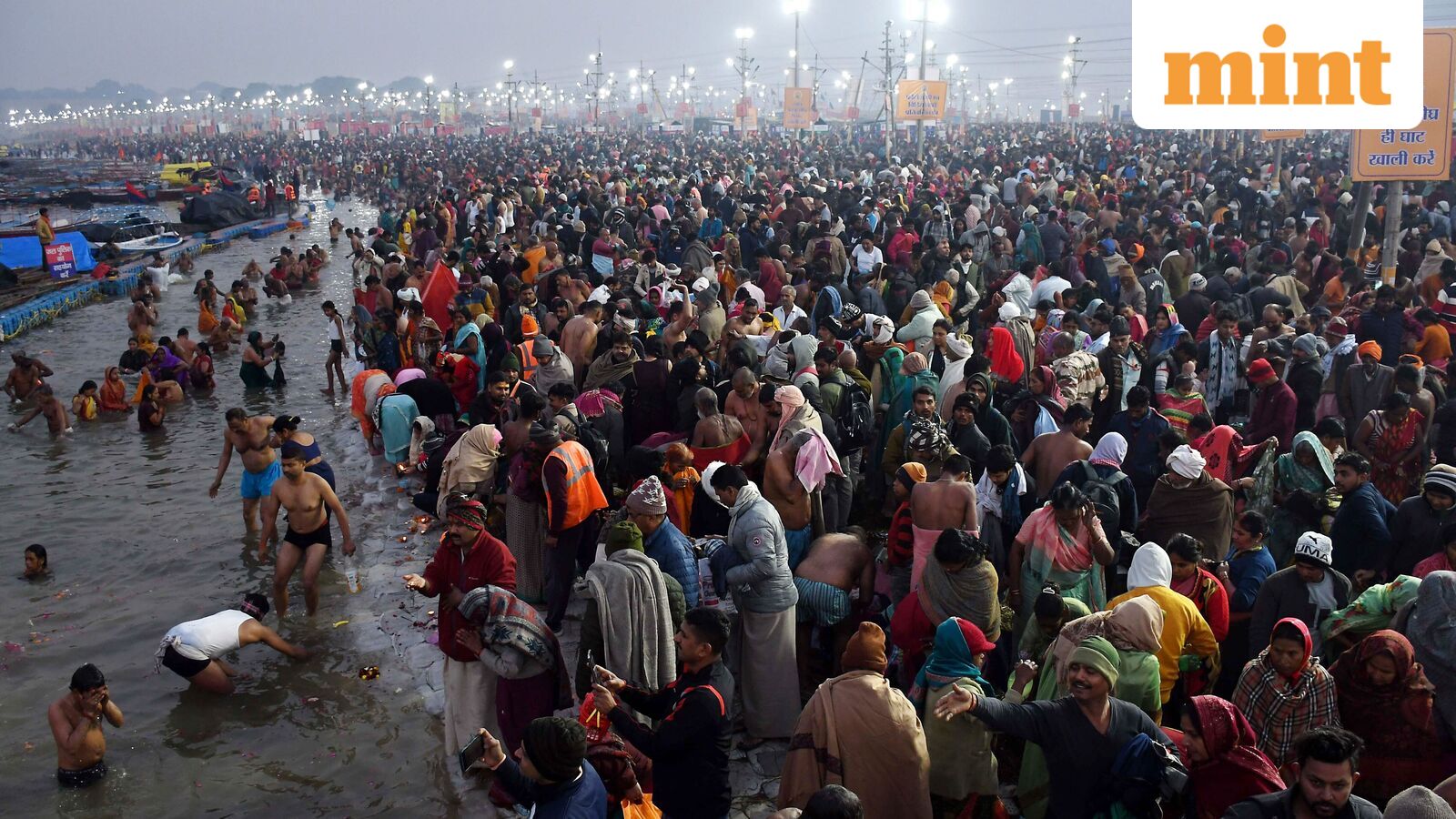
The Magh Mela, an annual religious assembly held at the Sangam and along the Ganga banks, draws millions of spiritual seekers from every corner of the nation.
Current government projections suggest over 10 million devotees will participate in the sacred immersion at the Sangam for Makar Sankranti, with attendance expected to peak on 18 January for Mauni Amavasya, a day viewed as the most spiritual bathing date of the festival.
Authorities have stepped up management strategies to oversee the crowds and guarantee the peaceful execution of these major religious rituals, according to senior officials.
9 lakh devotees take holy dip at Magh Mela on Ekadashi
Marking the spiritual occasion of Ekadashi on Wednesday, a vast gathering of pilgrims converged at Prayagraj’s Sangam Ghat for a ritual immersion during the ongoing Magh Mela. Aerial drone footage from the festival grounds captured thousands of worshippers at the confluence, braving freezing temperatures to perform their sacred ablutions.
Magh Mela Officer Rishi Raj reported that over 9 lakh individuals had already bathed by 6 AM, noting that the full police contingent is currently stationed on-site to manage the crowds.
“Even on the occasion of Ekadashi, many people are taking a bath. By 6 AM, around 9,50,000 people have already taken a bath, and devotees are bathing at all our ghats…Makar Sankranti is tomorrow, but since it’s 14 January, people are still coming to bathe today, and our entire police force is deployed on the spot…and monitoring is being done at all places,” the officer said.
SP Magh Mela Neeraj Pandey said that around 10,000 police personnel have been deployed and surveillance is ongoing to ensure “a safe snaam.”
“Keeping Makar Sankranti in view, the police have made complete arrangements. Around 10,000 police personnel are deployed. 22 PAC, 6 RAF, NDRF, ATS, and civil police personnel are deployed in large numbers. The water police are continuously patrolling… Surveillance is being conducted through drone cameras and CCTV cameras… Full preparations are in place, and everyone is being ensured a safe ‘snaan’,” the SP told ANI.
The second major bathing event of the Magh Mela, the Makar Sankranti snan, is scheduled for 15 January in Prayagraj. Following the successful Paush Purnima bath, which saw over 31 lakh devotees participate, fair organizers are now finalizing arrangements for the upcoming Makar Sankranti rituals.
Security has been significantly bolstered across the site, with specialized UP ATS mobile units conducting patrols to oversee the expansive Mela grounds.
High-frequency trading (HFT) firms, global technology companies and venture-backed startups are expanding recruitment beyond the IITs to secure the top percentile of non-IIT institutions, often at pay levels comparable to IIT campuses. While IITs still dominate in volume and brand, recruiters say the gap at the very top of the talent pool is narrowing.
That change is being driven by a tightening supply of high-calibre engineers, the rising premium on niche skills and a pragmatic reassessment of hiring risk and retention. With placements at older IITs beginning later in the year and competition for top candidates intensifying, employers are moving earlier and casting a wider net—targeting standout performers at NITs and select private universities before the market clears.
“Two students from the batch of 2026 got crore offers exceeding ₹1 crore so far, while six students received a package over ₹70 lakh, and 34 students secured jobs with CTC exceeding ₹50 lakh,” highlighted P Venkata Suresh, head of the Centre for Career Planning and Development at NIT Warangal, one of the country’s oldest NIT.
Alongside the IITs, institutions such as the NITs, Indian Institute of Engineering Science and Technology (IIEST) Shibpur, Vellore Institute of Technology (VIT), Birla Institute of Technology and Science (BITS) and SRM Institute of Science and Technology are also drawing attention from high-paying recruiters.
“Elite quantitative trading institutions like Graviton, Quad eye, and IMC Trading drove the compensation package with niche roles paying over ₹1 crore. Within the Pilani campus itself, there were six offers over ₹1 crore,” said BITS Pilani, in a release on Tuesday.
The institute that has engineering campuses in Pilani, Goa and Hyderabad in India also saw international offers from players such as MEDIATEK (Taiwan) and Toyoda Gosei (Japan).
Queries emailed to other institutes remained unanswered, while NIT Karnataka, Surathkal declined to comment.
“Our engineering hiring approach focuses on skills, problem-solving ability, and a learning mindset, rather than campus labels. For the 2026 cohort, we’ve continued to hire from IITs and BITS, while also building strong pipelines through NITs, IIITs, and other leading institutions,” said Chitbhanu Nagri, senior vice president for people operations at Razorpay.
“We’ve seen strong performance across both IIT and non-IIT hires, underscoring the importance of a consistent and rigorous selection process,” Nagri further said adding that they focus on identifying engineers with strong problem-solving ability, technical curiosity, and the resilience to build at scale, and back that with competitive pay, ownership, and opportunities to work on high-impact problems early in their careers.
Who’s hiring
According to placement team members at some NITs, quantitative analyst firms such as NK Securities, D.E. Shaw and AQR Capital offered compensation in the range of ₹55–75 lakh.
Global technology companies including Apple, Texas Instruments, Atlassian, Nvidia, Nutanix and Oracle were among the top recruiters at many non-IIT campuses due to their high pay packages. Queries emailed to the companies on Monday remained unanswered.
HFTs and quant firms—known for hiring candidates who analyse markets using mathematical and statistical models—have been among the top-paying recruiters at IIT campuses over the past few years, largely unaffected by global economic cycles. Quant researcher roles typically include core engineering profiles and candidates well-versed in artificial intelligence, with a foundational understanding of finance.
Most of these firms also visited IIT campuses, where the final placement process begins as early as September, while older IITs—Madras, Kharagpur, Delhi and Bombay—start in December. To get a head start, many non-IIT institutions begin placements from August onwards.
Pay parity
Established companies such as e-commerce firm Meesho, which went public in December, offered similar packages of around ₹60 lakh across both IIT and non-IIT campuses.
“Companies and startups like Meesho, Harness and Okta, that were established in the last 10–15 years, are paying competitive salaries of over ₹50 lakh, at par with software and tech majors like Oracle and Qualcomm. However, these firms are more picky in the talent they pick and do not hire in high volumes compared to traditional firms,” Suresh of NIT Warangal added.
“Expanding hiring beyond the IITs allows us to tap into a broader pool of high-calibre engineering talent. NITs and similar institutions produce engineers with strong fundamentals and practical skills who can deliver meaningful impact at scale, while also bringing diversity of experience and perspective to our teams,” said Harness in a response to queries sent by Mint. The firm, an AI software delivery platform, hired from BITS Pilani, IIIT Hyderabad, NIT Warangal and NIT Surathkal, apart from the IITs.
“While IIT graduates benefit from a highly rigorous academic environment, we consistently see exceptional talent across a wide range of engineering colleges. Our hiring decisions are driven by individual capability, problem-solving skills and potential, and we have seen engineers from diverse institutions perform and grow exceptionally well,” the company added.
Queries emailed to Okta, an identity and access management company, on Tuesday morning remained unanswered.
Wider net
Education analysts say expanding hiring beyond IITs is a strategic move.
“Once the initial placement phase concludes and the top 15–20% IIT students are off the market, the talent pool shifts. For employers seeking high-caliber talent, Tier 1.5 and Tier 2 institutions become the strategic choice. The top 5% of students at these colleges often rival the top 15–20% of IITians,” said Avantika Tomar, partner at EY-Parthenon India, who tracks the education sector.
The analysts point out that diversifying recruitment beyond the IITs can enhance workplace diversity and lower turnover rates.
“While IIT students possess exceptional technical skills, candidates from other institutions bring specific temperament and soft skills around resourcefulness, result-orientation and adaptability,” said Narayan Ramaswamy, partner at KPMG in India, who leads their education advisory services.
Since companies must invest in internal training regardless of a recruit’s background, the initial technical edge of an IIT education often fades over time. He also described IIT graduates as “riskier hires” given their strong market demand, which can lead to job-hopping within two years. Hiring from a broader set of campuses, he said, often delivers greater long-term retention.
“Our experience shows that talent from multiple institutions performs at par when given the right platform and resources,” said Faiz Shakir, vice president and managing director for India and ASEAN at cloud computing firm Nutanix. “Exceptional talent is not limited to a single set of institutions—it is spread across multiple top-tier colleges.”
Shakir said the focus for employers has shifted to identifying talent early and providing the right learning opportunities. “We are building a robust talent attraction engine for long-term hiring, and that means engaging deeply with a curated set of leading colleges across India, including the NITs,” he said.
Nutanix has hired about 150 interns from 30 premier institutions across the country—including IITs, NITs and other top-tier engineering colleges—and has offered pre-placement offers (PPOs) to a portion of them, Shakir added.
Deloitte India echoed a similar shift.
“India’s young talent can be found far beyond its metros and not only in Tier 1 colleges. As our business scales, we have been actively widening the aperture, hiring from every deserving campus for skills across AI, cloud, data and analytics, cyber, full stack, ERP, testing and emerging digital technologies,” said Deepti Sagar, chief people and experience officer at Deloitte India.
She added that the firm partners with colleges and government-backed skill institutes in Bhubaneswar, Tripura and Chennai to onboard high-potential talent through one of its flagship programmes.
Macro context
A placement team coordinator at one NIT said the median salary has risen 15–20% compared with the batch of 2025.
“Earlier, the median salary for our NIT was around ₹15 lakh, now it is around ₹17.5 lakh,” the student said, requesting anonymity.
With the Reserve Bank of India projecting inflation to fall to 2% for FY26, these double-digit placement hikes align with the 14–15% increases seen at entry-level wages. They also help offset the impact of new labour codes, ensuring purchasing power remains intact despite higher statutory deductions and social security costs.
Placements at IITs remain a barometer for how campus hiring will shape up nationwide. While business school placements typically begin in February–March, engineering colleges offer an early signal of India Inc.’s hiring appetite.
Over the past few years, IITs have attracted a growing number of artificial intelligence firms after the post-pandemic hiring frenzy cooled amid global uncertainty. Last year, however, campus recruitment picked up again—bringing relief to India’s premier engineering institutions.