india–eu free trade agreement: what it means for travel and mobility |


India–EU Free Trade Agreement: What it means for travel and mobility

The conclusion of the India–European Union Free Trade Agreement (India–EU FTA) marks a significant shift not just in trade relations, but also in how people, professionals and businesses will move between India and Europe. Announced at the 16th India–EU Summit by Prime Minister Narendra Modi and European Commission President Ursula von der Leyen, the agreement creates a framework that is expected to directly influence business travel, professional mobility, tourism-linked services and long-term people-to-people engagement. For more clarity, check this official press release. “We did it, we delivered the mother of all deals,” European Commission President Ursula von der Leyen told reporters in Delhi, while India’s Prime Minister Narendra Modi called the deal “historic”.

Zero Tariff Access For Indian Exports As Modi Govt Seals Landmark Free Trade Deal With New Zealand

India and the European Union combined together represent roughly 25% of global GDP and around one-third of the global trade. Although the FTA is goods, services and investment-oriented, its mobility provisions are particularly important for visitors, professionals, and service suppliers travelling back and forth between both areas.One of the important aspects of this agreement with regard to travel is the future oriented mobility framework, which constitutes one of most significant parts of the agreement. The FTA will allow short-term, temporary and business visits between the two nations. This will likely help Indian professionals on short-duration trips to Europe for the purposes of short-term work in sectors such as IT and communication services, consultancy or conducting training seminars. European professionals and investors would, at the same time, be able to gain easier access to India’s growing market.

pib

The agreement further offers structured mobility for intra-corporate transferees and business visitors, as well rights of entry and work for dependants/family members where relevant. This holds true especially for such as multinational companies operating both in India and EU, with employees like executives, managers and specialists who may be required to travel across the borders for limited period. For travelers, that could mean clearer rules, less uncertainty and a better fit between immigration and trade frameworks. Besides business travel, the FTA provides opportunities for contractual service providers and independent professionals in dozens of sectors. This allows Indian professionals to visit EU member countries to deliver services under defined conditions, although only for a short period relating to a particular project. With time, this could spur demand for business travel, extended stays, and professional mobility-related tourism in key European cities.Beyond corporate travel, the FTA also opens doors for contractual service suppliers and independent professionals across dozens of sectors. These provisions allow Indian professionals to travel to EU member states to deliver services under defined conditions, supporting short-term stays linked to specific projects. Over time, this could boost demand for business travel, extended stays and professional mobility-linked tourism, particularly in major European cities.Student mobility and post-study work opportunities also form part of the broader framework. While not a visa overhaul, the agreement creates space for structured engagement on education-linked travel, academic exchange and skill development pathways. This reinforces Europe’s position as a destination for Indian students and early-career professionals, while also supporting return mobility and long-term collaboration.Indirectly, tourism-related services would also likely benefit from it. More travel related to the categories of conferences, exhibitions and professional training, as well as medical treatment and cultural exchanges will likely increase due to greater access to service areas and easier mobility.Importantly, the agreement comes alongside India’s recent trade deals with the UK and EFTA countries, effectively opening up most of Europe to Indian businesses and professionals. Together, these agreements strengthen Europe’s role as a key destination for Indian outbound travel linked to work, education and entrepreneurship, while encouraging European travel to India for investment, collaboration and tourism.


Source link

This prominent Indian airline has launched direct flights between India and Greece and travellers can’t keep calm |


This prominent Indian airline has launched direct flights between India and Greece and travellers can't keep calm

Good news for travellers planning to visit Greece from India, without jumping flights! IndiGo has officially become the first Indian airline to introduce non-stop direct flights between India and Greece. It’s a first for any Indian airline and a matter of pride. As per the airline’s official release, the services launched in January 2026 with the Airbus A321XLR aircraft. On 23 January 2026, the first Mumbai–Athens direct service began followed by the Delhi–Athens flight on 24 January. The new flights connect Mumbai’s Chhatrapati Shivaji Maharaj International Airport and Delhi’s Indira Gandhi International Airport directly to Athens International Airport (ATH) in Greece. These routes operate three times every week.With this, IndiGo has become the only Indian airline operating direct scheduled services to Greece. Now travellers can book direct flights from Delhi and Mumbai, eliminating the need to transit via Middle Eastern or other European hubs to reach Athens. These have also reduced the travel time between the two countries substantially.The announcement was also made on IndiGo’s X profile:A for Athens.Introducing a non-stop flight to #Athens from #Mumbai and #Delhi, in our all-new fleet, W.E.F. 23rd and 24th January, 2026. Fares starting at ₹21,999*. Book now: https://bit.ly/4qie1tf. #goIndiGo #NewDestination #International #GreeceWhy Greece is a must-visit destinationGreece is among Europe’s most stunning travel destinations that has been attracting globetrotters for a long time now. It is a perfect place that blends ancient history, Mediterranean beauty, and scenic landscapes. Now that there are direct Indian flights, it’s easier than ever for travellers from India to visit iconic attractions, cities and islands in Greece. On this note, let’s have a look at 5 quintessential Greek islands for first-time visitors:Santorini – Santorini needs no introduction! This is among the most famous Greek islands known for its dramatic sun views, and whitewashed buildings.Mykonos – Mykonos is where people head to when they want to party. The charming island is noted for its gorgeous beaches, lively nightlife, and luxurious resorts.Crete – Crete is the largest island in Greece. It is a perfect spot for solitude and silence seekers. The ancient ruins including Knossos are simply breathtaking. Also the Cretan cuisine is super delicious.Corfu – Then there is the gorgeous Corfu. The island is as green as it gets. The Venetian-influenced architecture are simply stunning. The island is also known for its serene beaches and historic old towns.Rhodes – Rhodes is a perfect amalgam of medieval heritage and seaside beauty. It is also home to a UNESCO-listed Old Town.The beginning of direct flights from India to Athens by IndiGo is wonderful news for the tourism industry for sure.


Source link

How to make your old glass windows shine like new; tricks that homemakers swear by |


How to make your old glass windows shine like new; tricks that homemakers swear by

Who doesn’t like a shiny, clean and crystal-clear window? It is probably the first thing we notice in a house, how clean (read sparkling clean) the window glass is. It can instantly lift the look and feel of a house allowing more light in and revealing beautiful outside views. However, most homemakers would agree that achieving a perfect glossy spotless look is not an easy task. It takes time, effort and several paper towels to achieve the shine. But if we tell you that with the right tools and techniques, you can make your glass windows gleam like they are new as if bought yesterday only. Well read on:Right toolsMicrofiber cloths: You’ll need highly absorbent microfiber cloths. Ditch paper towels.Squeegee: Find yourself a good window-cleaning squeegee. It makes a huge difference.Bucket and scrubber: For deeper cleaning with cleaning solution.2. DIY Cleaning SolutionMix equal parts white vinegar and warm water and clean your glass window. Easy solution. Or you can make a solution using a few drops of dish soap and warm water.3. Dry DustingDry dusting is the first thing. Dust away dirt and cobwebs before applying any liquid:Now, brush or vacuum clean window tracks.Now take a dry cloth and wipe screens.4. Work from top to bottomBegin with cleaning the top of the window and work your way down. Wet the glass with your DIY solution.Now take microfiber cloth and wipe in lines.Squeegee from top to bottom.5. Extra attention to specific spotsTo remove bird droppings from your window glass, first spray some warm water on the spot and leave for a few seconds. Now gently scrub with a DIY solution.To remove hard water stains, use white vinegar spray, which works wonders.For paint residue, use a plastic scraper not metal one to scratch the glass clean.6. Clean the frames and sillsSpotless glass looks even better with clean frames. Wipe down these areas with soapy water, rinse, and dry. 7. Dry for a brilliant shineOnce you are done cleaning:Use a microfiber cloth to wipe the glass.Using quick circular motions helps.You can also use crumpled newspaper for the final finish. But microfiber is considered the best choice.Regular maintenanceTo keep your windows shining, regular maintenance is necessary.If you see fingerprints or smudges, wipe clean immediately.Keep dusting frames every three-four days.So, with the right tools and DIY cleaners and a little bit of technique, you can make your glass windows shine like a new one! It’s absolutely worth it!


Source link

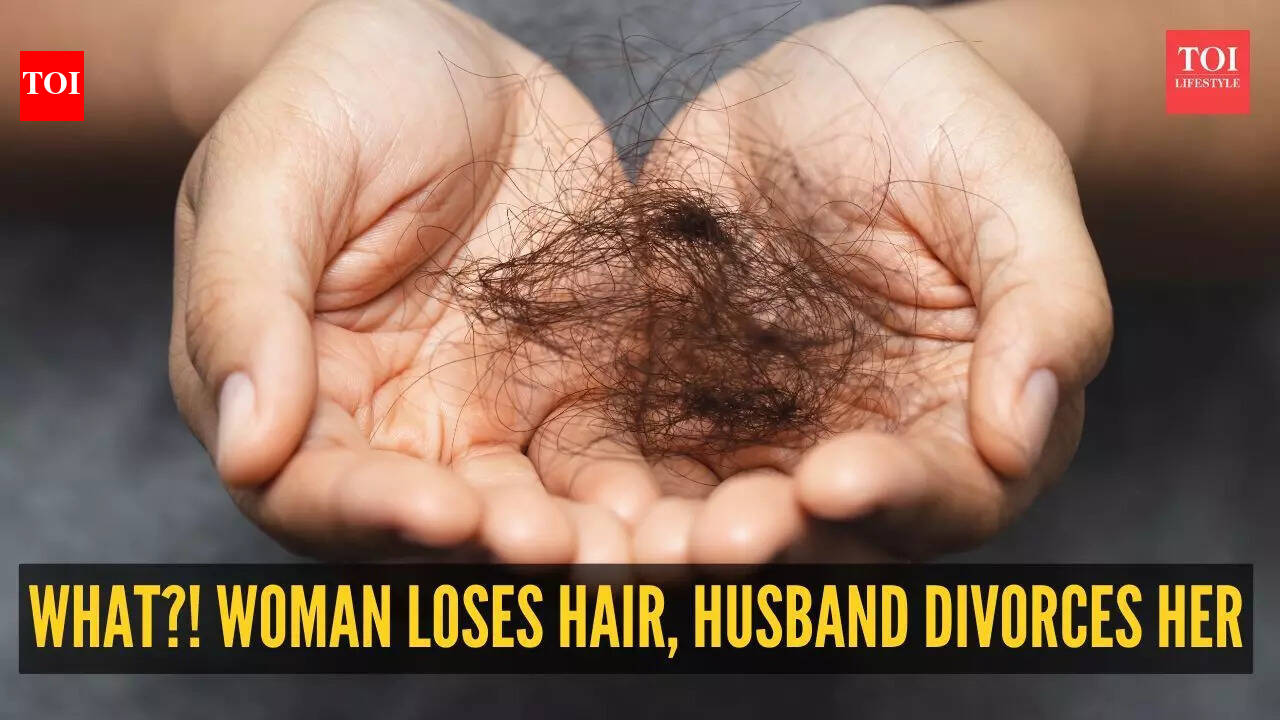
Bizarre! Husband divorces wife after she loses hair


Bizarre! Husband divorces wife after she loses hair

Imagine waking up one day to find your hair turning stark white overnight, then watching your entire world turn upside down because of it. That’s the painful reality for Li (the woman’s surname), a 36-year-old woman from Shangqiu in China’s Henan province. After 16 years of marriage, her husband divorced her, citing her baldness as the breaking point in the marriage for him, reported South China Morning Post (SCMP). Her story was shared on social media, and it has since then gone viral– drawing waves of sympathy for a devoted wife and mother who is now left alone. Here’s what really happened:Li shared that she poured her heart into taking care of her family – from cooking daily meals to scrubbing laundry and tending to their child. But two years ago, disaster struck. She suddenly lost a lot of hair and had large patches of white and thinning hair. When she consulted a doctor, it was diagnosed as vitiligo– a chronic autoimmune disease that strips pigment from skin, hair, and mucous membranes. Doctors say it affects 0.5-2% of people worldwide, striking without warning.This hugely transformed her appearance in the past two years; she suddenly looked decades older than her age. Neighbourhood kids were cruel, taunting her as “Qiu Qianchi,” the ghostly white-haired villain from the classic TV drama ‘The Romance of the Condor Heroes’. The mockery stung, but nothing hurt like her husband’s coldness. He did not support or accompany her in her hospital visits, refused to cover her medical bills, and skipped family gatherings (especially with her), claiming her appearance would “ruin his reputation.” Li calls him ruthless, a man she’s never known such harshness from after years of devotion.Depressed and isolated, Li turned to media for help, hoping to expose the injustice against her. After growing distance and apathy from her husband, she had no choice but to agree to the divorce which he had proposed. What’s more, the husband even won the custody of their child. Meanwhile, her husband hasn’t responded to her claims.

What causes Vitiligo?

Senior doctor Lu Manchun from Zhengzhou Leucoderma Hospital notes that vitiligo can flare anywhere on the body. Li’s case started mild on her scalp but snowballed, worsened by the very stress and anger it sparked. “A positive mindset and good mood are key to managing it,” he stresses -proving emotional well-being directly impacts physical healing.But, Li’s problem highlights deeper issues in relationships today: The stigma of visible illnesses in relationships and society. Social media users rallied with messages of support, sharing their own stories of resilience against discrimination. One wrote, “Beauty fades, but character endures—true love doesn’t bail over hair.” Vitiligo isn’t contagious or a choice; it’s a medical battle demanding empathy, not abandonment.For Li, the road ahead is lonely, but her courage in speaking out inspires. Her story reminds us: real strength blooms in vulnerability, and kindness costs nothing.What are your views on this? Tell us in the comment section below.


Source link

10 most beautiful countries in the world; India on the list


The internet is introduced to a number of “most beautiful places in the world” lists, at regular intervals. They’re shared, debated, screenshot taken, fought over in comment sections, and promptly forgotten, until the next one drops.
This time, Infodex posted its take on X, ranking the most beautiful countries in the world. This list isn’t about one perfect beach or a single Instagram-famous mountain. Instead, it celebrates variety, the kind of beauty that changes every few hours, sometimes every few kilometres.
From dramatic coastlines and dense rainforests to ancient cities and everyday streets that somehow feel cinematic, these countries prove that beauty isn’t one-size-fits-all. Some wow you with scale, others with colour, history, chaos, calm, or all of the above at once. Here are the ten countries that made Infodex’s list, and why they linger in your head long after you’ve left.


Source link

Jamali And Kamali Tomb: “Remove your perfume, tie your hair, or they will come after you”: Historian recounts ‘strange’ experience at this Delhi tomb |


“Remove your perfume, tie your hair, or they will come after you": Historian recounts 'strange' experience at this Delhi tomb

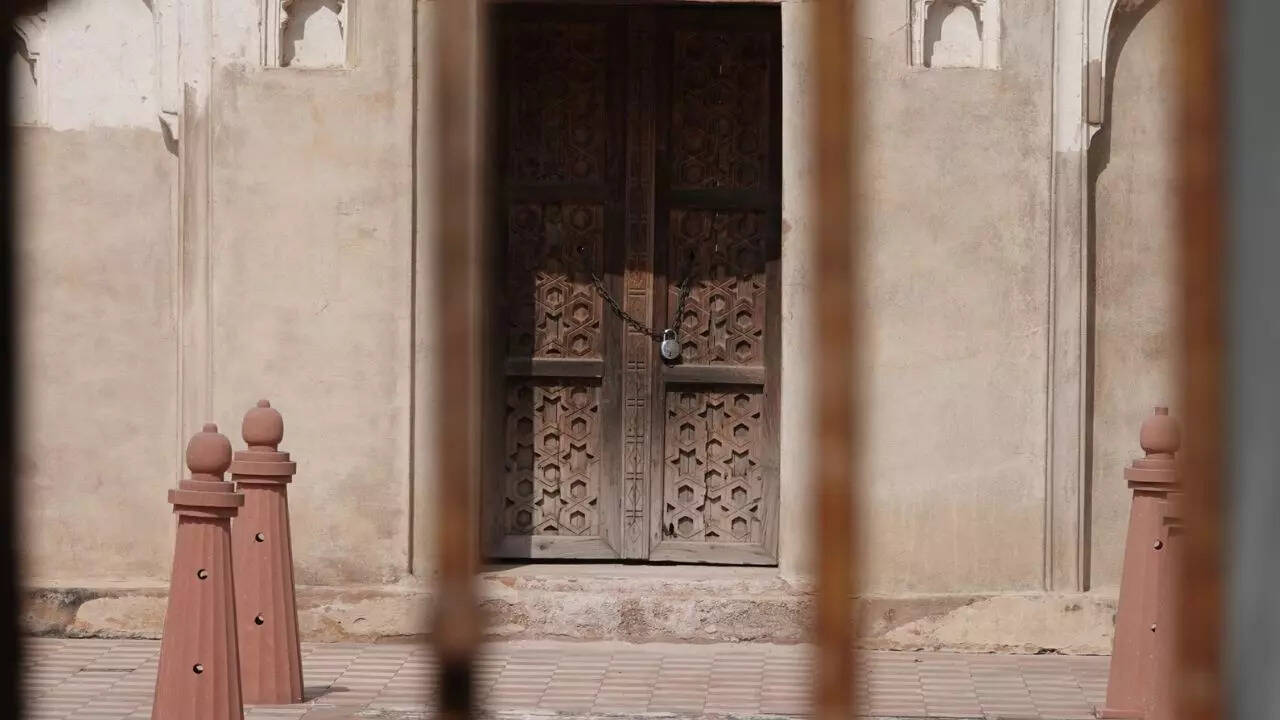
“I often visit the historical sites around Hauz Khas and Mehrauli, and almost always stop at the tomb of Jamali and Kamali,” says Eric Chopra, a 23-year-old historian from Delhi. “It’s usually locked. You can only stand outside, looking in.”While lingering around the site in the evenings, Eric recalls being repeatedly warned by the phoolwalas who sit nearby. They would tell him to tie his hair and remove his perfume -advice that puzzled him—lest the djinns come after him and slap him. In Islamic lore, djinns are spirits believed to be born of smokeless fire, occupying a space between the visible and invisible worlds. Eric’s fascination with Delhi’s layered past led him to start an Instagram page in 2019, at the suggestion of his father to document forgotten monuments and stories that live on through whispers. That interest has now taken the shape of his debut book, Ghosted: Delhi’s Haunted Monuments, which explores the folklore, history, and hauntings associated with five of the capital’s most evocative sites-Firoz Shah Kotla, Jamali-Kamali, Khooni Darwaza, the Mutiny Memorial, and Malcha Mahal-blending archival research with lived belief.Among these, the tomb of Jamali and Kamali holds a particular pull for him.

The tomb complex (Credit: Sameer Seshadri)

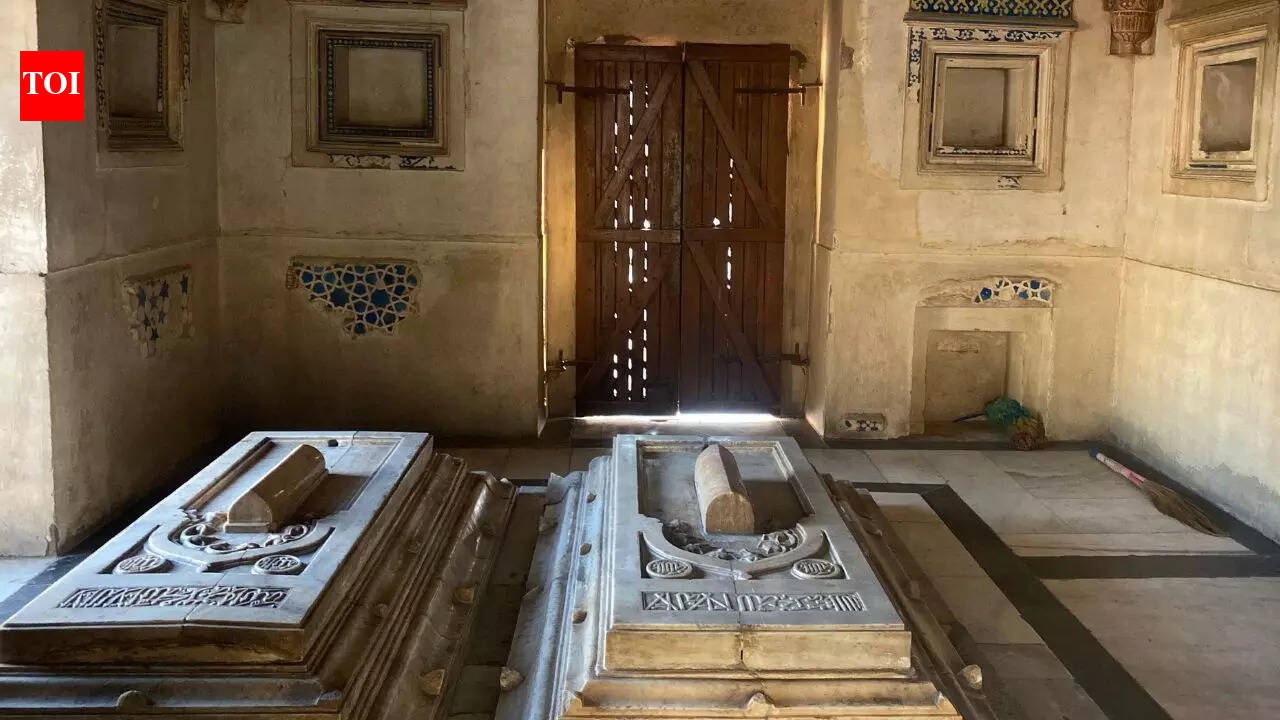
Jamali was the pen name of Shaikh Fazlullah. He was a celebrated Sufi saint and poet who lived during the Lodi period and early Mughal rule. He was an important figure during his time. It is known that he had a wife and two children and was deeply respected in his lifetime. His children later played in important role in court politics. Kamali, however, remains an enigma. Historical records are silent on who Kamali was: a disciple, a close companion, a lover, or perhaps even a woman whose identity was later coded as male for burial. The shared tomb, with two graves placed side by side has sparked decades of speculation about their bond. That Kamali was a male is testified by the presence of a pen box, which was carved only in mail tombs.Located within the Mehrauli Archaeological Park, the Jamali Kamali mosque and tomb complex was built around 1529, with Jamali laid to rest there in 1536. It is an important monument from archeological point of view, a transition between late Lodi and early Mughal styles. It is beautifully adorned with domes, arches, glazed tiles, and delicate floral motifs. Apart from archeology and historical value, this place has come to hold deeper meaning for many—especially within the LGBTQIA+ community, who see in the shared burial a rare, tender suggestion of queer intimacy preserved in stone.

The tomb mostly remains closed (Credit: Sameer Seshadri)

But it was one particular night that stayed with Eric.“I had always found the tomb locked,” he says. “One day, by sheer luck, I found the guard there. Since I’m a regular, he recognised me, and we began talking.” The guard asked him, “Can you smell the agarbattis around the tomb area? When Eric replied in affirmation as the smell was very distinct, the guard said, ” I smell it every day in the evening but have never seen anyone who came to light them!” When Eric asked if he could see the tomb from inside, the guard agreed and unlocked the door.

The interiors of the tomb (Image: Sameer Seshadri)

“What I witnessed felt almost ethereal,” he recalls. Moonlight streamed in through the windows, falling directly onto the two graves. They seemed to glow softly, suspended in light. The space was filled with a deep, undisturbed silence—peaceful, but powerful. “I suddenly felt like an intruder, as though I was disturbing the privacy of something sacred.”Overwhelmed, he stepped out almost immediately and asked the guard to lock the tomb again. “My heart felt full—of love, not fear,” he says. “And no, the djinns did not slap me.”


Source link

This tree secretes bright red “dragon’s blood” and science explains why |


This tree secretes bright red “dragon’s blood” and science explains why
This tree secretes bright red “dragon’s blood” and science explains why (Image source: Wikipedia)

First impressions reveal that this tree has almost a surreal quality to it, a tree that seems to bleed bright red when its bark is sliced. This is no mythological setting; it is actually a natural occurrence found in the Dracaena, or dragon tree, species of trees. The bright red liquid that drips from the tree is known as dragon’s blood, and it has long fascinated mankind. Though ancient civilisations believed it to have something to do with dragons and magic, and that it possessed healing properties, current scientific research has revealed that the dragon’s blood is actually a component of the tree’s survival mechanism. Scientists are currently analysing the chemical composition of the dragon’s blood because of its long history of use in traditional medicine. The dragon tree continues to be a fascinating example of how traditional natural resources can lead to both mythological and scientific exploration.

What exactly is “dragon’s blood”

Despite the ominous name, dragon’s blood is not actually blood, but rather a plant resin.When the bark of a Dracaena tree is damaged, the tree secretes a red, thick resin that dries in the air. This resin is very similar to a natural bandage. The resin covers the injured area, protecting it from infection, insects and microorganisms. It effectively serves as a protective barrier for the tree.

Why does the resin turn red

The red pigment in dragon’s blood is a result of bioactive compounds in plants, which include phenols and flavonoids.A scientific study published in Science Direct, titled “Morpho-anatomical basis of dragon’s blood secretion in Dracaena draco stem”, investigated the chemical properties of the resin of the Dracaena tree. The study showed that the resin is made up of chemicals that have been demonstrated to have antioxidant and antimicrobial activities. These chemicals safeguard the tree against bacteria, fungi, and other environmental conditions. The red pigment is just an indicator that the tree is activating its chemical defence mechanism.

What science says about its medicinal properties

The use of dragon’s blood in traditional medicine has been for the healing of wounds, inflammation, and dermatological conditions, and current research is validating these traditional uses.A study published on PubMed, titled “Dragon’s Blood from Dracaena Worldwide: Species, Traditional Uses, Phytochemistry and Pharmacology”, discussed the interaction of some plant resins, such as those with high phenolic content like dragon’s blood, with human tissues. The study concluded that these substances have been found to influence the regulation of inflammation, tissue repair, and antioxidant activity at the cellular level. This explains why dragon’s blood was traditionally used to treat cuts and wounds, not for its magical properties, but because of its ability to facilitate healing.Notably, the researchers emphasise that while the laboratory data is encouraging, dragon’s blood should not be used as a replacement for current medical treatment.

Where dracaena trees grow

Dracaena trees are found in arid and rocky areas, where wounds caused by wind, animals, or adverse environmental conditions are prevalent. The most well-known variety, Dracaena cinnabari, is found on the island of Socotra, while other varieties are found in Africa and Asia.In this extreme environment, the ability to produce a quick-acting protective resin is essential for the tree’s survival. Dragon’s blood prevents water loss and provides an unfavourable environment for microbes, which is a very smart adaptation.

Why scientists are still studying dragon’s blood

Today, dragon’s blood is being researched for possible uses in:

  • Natural antimicrobial products
  • Anti-inflammatory research
  • Plant-based antioxidants
  • Traditional medicine validation

Scientists are particularly fascinated by the way plants such as Dracaena can create very effective protective agents that do not harm the plant itself, and how this information can be used to develop new materials or drugs.

Myth meets modern science

Dragon’s blood may have gotten its name from myths and legends, but it is not just that. It is a very advanced plant defence mechanism that is full of chemicals that protect the tree and, possibly, human tissue under certain circumstances.The Dracaena tree teaches us that sometimes the most mysterious events in nature can be explained by very practical biological processes that are hidden behind the veil of mystery.




Source link

How to remove pet hair from clothes using a simple wet wipe |


How to remove pet hair from clothes using a simple wet wipe
How to remove pet hair from clothes using a simple wet wipe (Image source: AI-Generated)

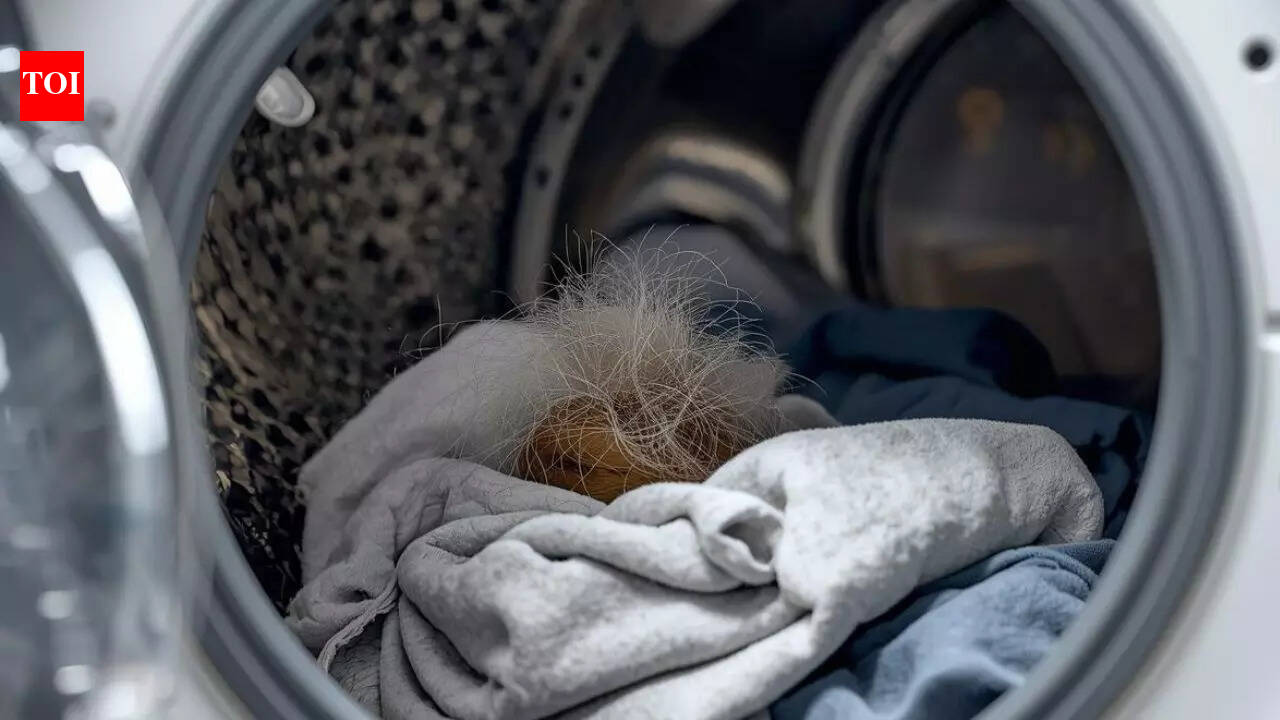
Anyone who lives with pets will know how stubborn pet hair is: it clings to clothes, blankets, and couch covers, even after repeated washing. Still, there’s one less-known laundry trick that many pet owners can utilise: popping a wet wipe into the washing machine. This tiny step helps to loosen pet hair and trap it so that your clothes and fabrics emerge from a cycle both clean and fur-free. It works because the wet wipe creates some minor surface friction and develops a mild anti-static effect while in the wash, which aids in helping hair lift off fabrics and into the washer filter or drain rather than sticking around. It’s inexpensive, quick, and uses items you likely already have at home, and no special tools or products are required. Let’s break down why this hack works and how you can use it effectively the next time you wash pet-hair-covered laundry.

How to use a wet wipe in the washing machine to remove pet hair

Here’s a simplified way to make this work for you:

  • Choose a suitable wet wipe: A disposable, unscented, and alcohol-free wet wipe would be a good option. Wet baby wipes with lotions may not be appropriate since the presence of a high lotion content may leave a mark on fabric.

  • Add to the load: Place one or two wet wipes directly in the wash drum with your clothes; you don’t even need to soak them in advance.

  • Wash as usual: Wash your washing cycle as you normally do, depending on the fabric type. The pet hair will loosen and gather around the wipes.

  • Remove and dispose: Finally, take the wet wipes that were used. These will probably be covered with pet hair. Dispose of them with your regular trash.

This trick is best used on lighter pet hair or regular laundry items. For heavy pet shedding, the wet wipe trick might be combined with lint remover tools.

Why this wet wipe hack works

This basic laundry works due to the following reasons:

  • Reduces static: Wet wipes can help reduce static. The lower the static, the less likely the pet hair is to stick to fabric.

  • Loosens pet hair: The wipe, moving gently, rubs against the fabric during washing, helping loosen any hair that may be entangled.

  • Collects hair in the washer: The detached hair clings to the wet wipe or floats in the water, making sure fur does not accumulate on the washed clothes.

This doesn’t replace a lint roller or pet hair brush. You still have to use them. It just greatly enhances washing results on clothes with stubborn hair.

When this hack isn’t enough

For extremely hairy fabrics, such as heavy blankets or pet beds, you may still need to:

  • Use a pet-hair brush or lint roller before washing
  • Wet the item gently with your hands to loosen the hairs
  • Wash these items separately on a heavy-duty cycle

It is also important to keep in mind that the wet wipe trick is best used as a complementary hack, rather than a complete replacement for deeper pre-cleaning when hair loads are very high.

Does this hack work for all fabrics

The outcome for this hack may vary depending on the fabric. It works best on:

  • Cotton clothing
  • Bedsheets
  • Towels
  • Light blankets

Heavily textured fabrics such as fleece or wool may require pre-cleaning.


Source link